
Trees
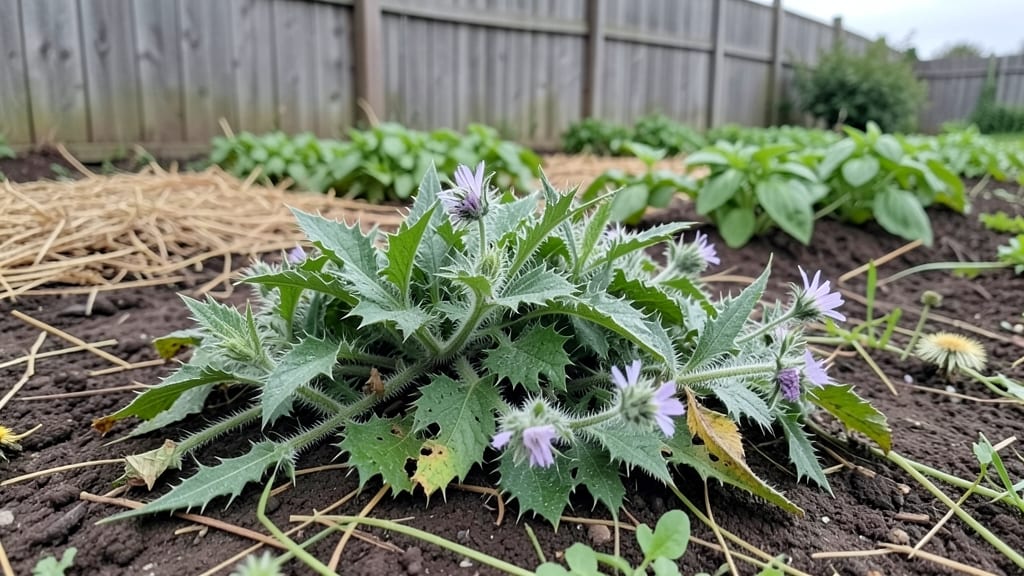
Mastering horse nettle identification is your first line of defense against this garden menace—its spiky stems and yellow flowers hide a toxic threat to both plants and pets. 🌿 toxic solanine. One bite from livestock or a curious child could lead to serious illness.
The key is knowing its five-pointed leaves (like a star with serrated edges) and prickly stems that feel like a porcupine’s quills. Flowers bloom in clusters of bright yellow, followed by green berries that turn yellow—never eat them.
Stinging nettle, by contrast, has smooth stems and jagged leaves that feel like sandpaper, not spikes.
Once you spot it, act fast. Pull young plants by hand (wear gloves!) or smother established ones with thick mulch. Horse nettle spreads relentlessly, so early removal prevents a full-blown invasion. Your yard—and your peace of mind—will thank you.
If you’re unsure, snap a photo and compare it to trusted guides. The difference between a safe garden and a risky one often comes down to knowing what to watch for. Stay sharp, and your green space stays safe.
📚 In This Guide
- What you need
- Instructions
- Tips and common mistakes
- Wrapping up and next steps
What you need
- ● Gloves (nitrile or leather) – Heavy-duty, long-sleeved gloves to protect against prickly stems and potential skin irritation.
- ● Handheld magnifying glass – 5x–10x magnification for inspecting fine details like leaf veins or hairy stems.
- ● Pruning shears or a small knife – Sterilized, sharp tools for safely collecting samples (avoid touching the plant directly).
- ● Field guide or plant ID app – Offline-capable apps like PlantNet or iNaturalist for cross-referencing features.
- ● Notebook & pencil – To log observations (height, leaf shape, habitat, etc.).
- ● Plastic bags (sealable) – 2–3 quart-sized bags for storing samples (label them!).
- ● Spray bottle with water – For rinsing tools and hands after handling.
- ● Camera with macro mode – Capture close-ups of stems, leaves, and flowers for later analysis.
- ● Pocket ruler or measuring tape – 6–12 inch range to document plant height and leaf size.
- ● Disposable camera or phone cover – Protects your device from sap or debris.
- ● First-aid kit – Include antihistamines, calamine lotion, and tweezers for minor reactions.
- ● Local flora reference book – For regional comparisons (e.g., Peterson Field Guide to Wildflowers).
How to identify horse nettle and avoid deadly lookalikes
Here's how to spot horse nettle and tell it apart from harmless plants that could endanger pets or livestock.
🌿 Step 1: Examine the Leaves for Key Features
Horse nettle leaves are the first clue—look for 3-5 deeply lobed, jagged-edged leaves arranged alternately along the stem. Each leaf is 2-5 inches long with a rough, hairy texture that feels prickly when rubbed. The edges aren't smooth like stinging nettle; they have sharp, irregular teeth that look like they've been torn.
Real talk: If you see smooth-edged leaves or soft, fuzzy hairs instead of prickles, it's not horse nettle. I always compare the leaf shape to a maple leaf—horse nettle leaves are more jagged and less symmetrical. The stems are also thick and purple-striped, which is a dead giveaway.
🌱 Step 2: Check for the Signature Flowers and Berries
Horse nettle blooms produce purple to white star-shaped flowers in clusters at the stem ends, appearing in late summer. These flowers are 1 inch wide with five petals and a slightly fuzzy center. Later in the season, the flowers turn into round, yellow berries that start green and ripen to a bright yellow—these are highly toxic if ingested.
Here's the thing—if you see white flowers in clusters but no purple stems or jagged leaves, it's probably a different plant. I've seen wild bergamot mimic the flower shape, but its leaves are smooth and opposite (growing directly across from each other), not jagged and alternate.
✂️ Step 3: Test for Prickles and Stem Strength
Run your fingers along the stem—horse nettle has stiff, needle-like prickles that feel sharp and can puncture skin. Unlike stinging nettle, which has tiny hairs that inject venom, horse nettle's prickles are solid and break off easily. The stems are also woody and thick, especially near the base, while similar plants like wild cucumber have hollow or brittle stems.
Don't skip this (I learned the hard way). If the plant feels soft or fuzzy instead of prickly, or if the stem bends easily, it's not horse nettle. I once mistook a patch of wild cucumber for horse nettle—its leaves are lobed, but the stems are smooth and the plant has tendrils, not prickles.
🌿 Step 4: Compare to Common Lookalikes
Horse nettle is often confused with stinging nettle (which has serrated leaves but no purple stems) and wild cucumber (which has tendrils and smooth stems). Another dangerous lookalike is poison hemlock, but that plant has feathery leaves and a purplish stem with purple spots, not the jagged leaf lobes of horse nettle.
I keep a small field guide in my gardening bag for quick reference. If you're unsure, take a photo and compare it to trusted sources like the University of Missouri Extension's plant database. Never rely on memory—horse nettle's toxicity makes a single mistake dangerous for pets or livestock.
💧 Step 5: Verify with Root and Growth Habit
Dig up a small section of the plant to check the roots—horse nettle has a deep, fibrous root system with multiple stems growing from the base. The roots themselves are thick and woody, unlike the shallow, thin roots of stinging nettle. The plant grows 2-5 feet tall in a bushy, upright habit, often found in disturbed soils, pastures, or roadsides.
This is the moment that matters: If the plant has thin, shallow roots or grows in a creeping vine habit, it's not horse nettle. I've seen ground ivy mimic the leaf shape, but its roots are shallow and the plant spreads horizontally, not upright. Always check the roots when in doubt—they're the final clue.
Tips & tricks for perfect horse nettle identification
These practical tips will help you confidently distinguish horse nettle from dangerous lookalikes—saving you from costly mistakes in your garden or pasture.
Leaf Comparison Technique: In Step 1, when examining leaves, hold them up to a bright light to see the jagged edges more clearly. Horse nettle leaves have irregular teeth that look almost torn, while similar plants like stinging nettle have smooth, serrated edges. I've found that comparing them side-by-side with a maple leaf helps—horse nettle leaves are more jagged and asymmetrical. The alternate arrangement (leaves growing singly at different heights) is another key difference from plants like poison ivy, which has leaves growing in clusters.
Seasonal Timing Tip: For Step 2, remember that horse nettle flowers appear in late summer and transform into yellow berries by fall. If you're identifying plants in spring or early summer, focus on the leaf and stem characteristics since flowers won't be present yet. I've made the mistake of relying solely on flowers in early summer and missed horse nettle patches entirely—always check all five steps, regardless of season.
Safety First: When testing stems in Step 3, wear gloves to protect your hands from the sharp prickles. The purple-striped stems are your best visual clue—run your fingers along the length to feel the stiff, needle-like prickles that distinguish horse nettle from similar plants. If you're unsure, snap a photo and compare it to trusted sources like the University of Missouri Extension database before making a decision. Between us, I've seen people mistake wild cucumber for horse nettle because of the lobed leaves—always check the stems and roots.
Root Verification: In Step 5, when checking roots, dig carefully to avoid damaging the plant's fibrous root system. Horse nettle roots are thick and woody, while lookalikes like stinging nettle have thin, shallow roots. The plant's 2-5 feet tall upright growth habit is another distinguishing feature—if it's creeping or vine-like, it's not horse nettle. I keep a small trowel in my gardening bag specifically for this root check—it's the final, definitive test.
Pro Tips for Horse Nettle Identification
- These practical tips will help you confidently distinguish horse nettle from dangerous lookalikes—saving you from costly mistakes in your garden or pasture.
- Leaf Comparison Technique: In Step 1, when examining leaves, hold them up to a bright light to see the jagged edges more clearly.
- Seasonal Timing Tip: For Step 2, remember that horse nettle flowers appear in late summer and transform into yellow berries by fall.
Frequently asked questions
about horse nettle identification—because knowing your plants can save you (and your pets!) from trouble. Here are answers to the most common concerns:How can I tell if a plant is horse nettle vs. stinging nettle?
Horse nettle (Solanum carolinense) has spiky, hairless stems and yellow flowers, while stinging nettle (Urtica dioica) has serrated leaves and stinging hairs. Horse nettle also smells like rotten eggs when crushed—a dead giveaway!
When is the best time to identify horse nettle in my yard?
Spring and summer are ideal! Look for green, oval leaves and purple berries (toxic!) in late summer. Early morning is best—stems are stiffer and easier to inspect before heat causes wilting. Avoid handling if possible!
Is horse nettle dangerous to dogs or livestock?
Yes!
All parts are toxic due to solanine, causing drooling, vomiting, and weakness. If ingested, contact a vet immediately. Keep pets away from plants with spiky stems and yellow flowers—no exceptions!
What’s the best way to remove horse nettle safely?
Wear gloves and long sleeves—never touch bare skin! Pull weeds early in the day when soil is moist. For stubborn roots, use a vinegar-based herbicide (20% acetic acid) or smother with mulch. Never burn—toxic fumes are a risk!
Are there non-toxic lookalikes I can plant instead?
Try ground cherries (Physalis) or wild bergamot (Monarda) for similar foliage but edible flowers. For low-maintenance ground cover, creeping thyme or clover are safe, pet-friendly alternatives. Always research before planting!
Wrapping up and next steps
Identifying horse nettle and its toxic lookalikes is a crucial skill for gardeners, foragers, and outdoor enthusiasts alike. By now, you’ve learned to spot its distinctive purple blooms, spiky stems, and serrated leaves—and how to differentiate it from safer plants like wild bergamot or black nightshade.
Stay vigilant, trust your instincts, and when in doubt, avoid touching or consuming unfamiliar plants.
Ready to put your knowledge to the test? 🌿 Grab a field guide or download a plant ID app to double-check any suspicious plants you encounter. Knowledge is your best defense—happy (and safe) exploring! 🚀