
Flowers
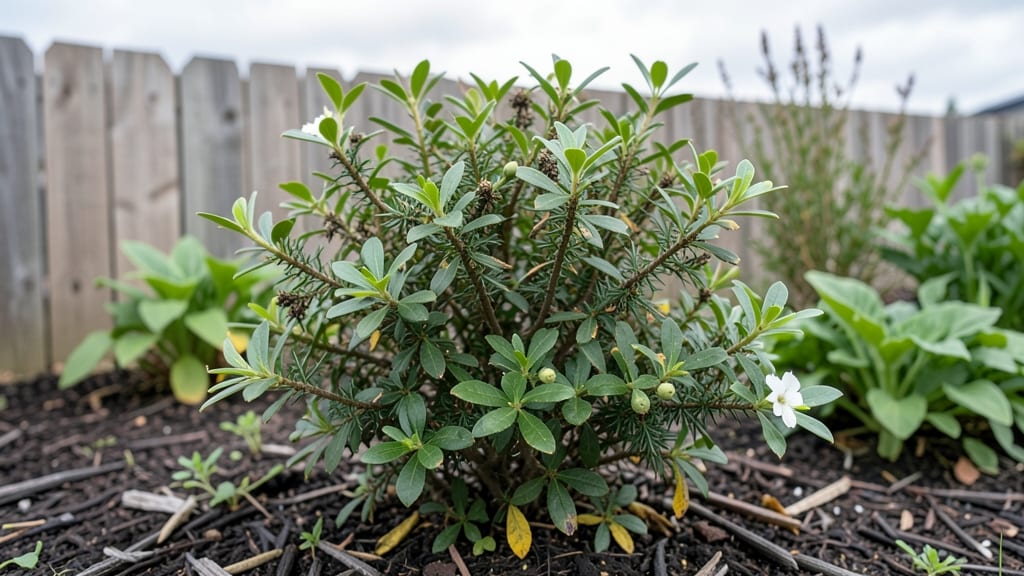
White flowers and red berries on a single shrub create a stunning contrast that transforms any garden into a cottage-style masterpiece. 🌿 I’ve spent years designing borders where these shrubs steal the show—especially when they bloom in spring and hold their berries through winter frost.
The best options—like holly, pyracantha, or cotoneaster—offer year-round interest without needing constant pruning. Holly’s glossy leaves and bright red berries pair perfectly with white flowers, while pyracantha’s clusters of berries add drama after blooms fade.
These shrubs thrive in full sun to partial shade, making them versatile for borders, hedges, or even container gardens.
Imagine a backdrop of creamy white blooms in spring, followed by bold red berries that catch the light in winter. They’ll draw in pollinators, birds, and admiring neighbors—all while requiring minimal fuss. The secret lies in spacing them 3–6 feet apart for maximum impact, letting their textures and colors shine.
Perfect for cottage gardens, traditional landscapes, or even modern minimalist designs. Let’s pick the right shrub for your space and create a look that feels timeless yet fresh.
Behind The Scenes Causes
If your shrub is putting on a show with stunning white blooms but then producing vibrant red berries—or failing to do either—several key factors are at play.
Understanding these causes helps you troubleshoot and encourage the perfect seasonal display. Let’s break down the science behind what’s really happening in your garden.
Some shrubs are hardwired to produce white flowers followed by red berries due to their species traits. For example:
- Dogwood (Cornus spp.): Many varieties, like Cornus florida, rely on genetics to produce showy white bracts (modified leaves) in spring, followed by clusters of red berries in fall. If your shrub isn’t flowering or fruiting, it might simply be a non-fruiting cultivar or a different species entirely.
✨ Pro Tip:
Check the plant tag or consult a local nursery to confirm if your shrub is known for berries. Some ornamental varieties (like Cornus kousa) are bred for flowers only and may not produce fruit.
White flowers and red berries are energy-intensive processes. If your shrub isn’t getting enough sunlight, it may:
- Skip flowering entirely (no white blooms).
- Produce fewer or smaller berries (or none at all).
Why? Photosynthesis powers flower and fruit development. Shrubs like Viburnum opulus (cranberry bush) need 6–8 hours of sun daily to trigger blooming and berry set. In shade, they may revert to vegetative growth (leaves only).
📊 Actionable Fix:
Move your shrub to a sunnier spot gradually (over 2–3 weeks) to avoid shock. If relocating isn’t possible, opt for shade-tolerant alternatives like Pieris japonica (andromeda), which still produces white flowers (though berries may be less reliable).Both drought and overwatering can disrupt flowering and fruiting. Here’s how:
| Issue | Effect on Flowers | Effect on Berries |
|---|---|---|
| Underwatering | Bud drop before blooming; weak stems | Small, misshapen, or no berries |
| Overwatering | Root rot → stunted growth; delayed blooming | Fungal diseases (e.g., powdery mildew) → berry rot |
Key shrubs to monitor: Rhododendron and Azalea (both Ericaceae family) are particularly sensitive to moisture extremes. Their red berries (technically capsules) require consistent hydration but hate soggy soil.
💡 Pro Tip:
Test soil moisture by sticking your finger 2 inches deep—water when dry but not bone-dry. Use mulch (2–3 inches) to retain moisture without suffocating roots.Unseen invaders can prevent flowering or devour developing berries. Common culprits:
- Spider Mites: Suck sap from leaves, weakening the plant’s ability to produce flowers.
- Japanese Beetles: Skewer petals and eat berries, leaving holes.
- Powdery Mildew: Fungal infection (white powder on leaves) blocks sunlight, reducing blooms.
- Birds/Squirrels: May eat berries before they ripen, leaving none for your display.
🔥 Quick Fixes:
- Spray leaves with neem oil (for mites/beetles) or baking soda solution (1 tsp baking soda + 1 quart water + drop of soap) for mildew.
- Install bird netting over berries if wildlife is the issue.
- Encourage beneficial insects (ladybugs, lacewings) by planting dill or marigolds nearby.
Berries are fruit, and fruit requires phosphorus (P) and potassium (K). If your soil lacks these, your shrub may:
- Produce fewer flowers (or none).
- Develop small, pale berries that drop early.
Signs of deficiency:
- Yellow leaves with green veins → Nitrogen (N) issue (fix with compost).
- Purple stems/leaves → Phosphorus (P) deficiency (add bone meal).
- Weak, floppy growth → Potassium (K) deficiency (use wood ash or banana peels).
🎯 Soil Test First!
Before fertilizing, test your soil ($15–$20 via local extension offices). Shrubs like Holly (Ilex) thrive in acidic soil (pH 5.0–6.0)—amend with peat moss if needed.Some shrubs follow a strict seasonal schedule. For example:
- Early Spring Bloomers (e.g., Forsythia, Viburnum dentatum): If pruned after flowering, they may skip next year’s blooms.
- Late Summer/Fall Berries (e.g., Callicarpa bodinieri): Require cross-pollination from another shrub to set fruit.
📅 Key Actions:
- Prune after berries drop (late winter/early spring) to avoid cutting next year’s flower buds.
- Plant two varieties of the same shrub (e.g., Cornus sericea) to ensure pollination.
- If your shrub blooms but no berries appear, it may need a pollinator-friendly garden (bees, butterflies).
Revitalize Your Shrub’s Stunning Display
If your shrub’s white blooms and fiery red berries are fading faster than a summer sunset, don’t panic! With the right care, you can restore that showstopping contrast and keep your garden thriving. Below, we break down common issues and their fixes—plus prevention tips to avoid future heartbreak.
When shrubs struggle for space, they produce fewer flowers and berries. Overcrowding also invites pests and disease.
🔥 Fix It: Prune and Space Wisely
- 🔪 Prune aggressively: Trim back ¼ to ⅓ of the shrub’s oldest stems at the base. Use clean, sharp shears to avoid tearing.
- 📏 Replant with room: Space new shrubs 3–6 feet apart (depending on the variety) to allow airflow and root growth.
- 🌿 Mulch properly: Apply 2–3 inches of organic mulch (like shredded bark) to retain moisture and suppress weeds.
💡 Prevention Tip:
Plant slow-growing companions like Heuchera or Sedum around your shrub to mark boundaries without stealing nutrients.
Too little water = wilted leaves. Too much = root rot. Both kill the vibrancy of your shrub’s berries and blooms.
🍳 Fix It: Master the Watering Routine
- 💦 Deep water weekly: Water slowly at the base (1–1.5 inches per week) rather than frequent shallow sprinkles.
- 🌡️ Check soil moisture: Stick your finger 2 inches into the soil. If it’s dry, water; if soggy, hold off.
- 🚰 Improve drainage: Amend heavy clay soil with compost or sand to prevent waterlogging.
🎯 Prevention Tip:
Use drip irrigation or soaker hoses to deliver water directly to roots, reducing waste and fungal risks.
Spider mites, aphids, or fungal spots can defoliate your shrub, leaving it weak and berry-less.
⏰ Fix It: Act Fast with Natural Remedies
- 🍎 Spray neem oil: Mix 1 tbsp neem oil + 1 tsp mild soap in 1 quart of water. Spray leaves (and undersides!) every 7–10 days.
- 🌿 Introduce predator insects: Ladybugs and lacewings feast on aphids. Buy them online or attract them with native plants.
- 🔥 Prune infected areas: Snip off diseased stems below the damage, then sterilize tools with rubbing alcohol.
✨ Prevention Tip:
Encourage beneficial birds (like robins) by adding a small birdbath—they’ll snack on caterpillars and beetles.
Too much shade = leggy growth and sparse flowers. Too much sun = scorched leaves and missed berries.
👨🍳 Fix It: Adjust Placement or Prune Strategically
- 🌳 Move or thin trees: If your shrub is in deep shade, trim nearby trees or relocate it to a partial sun spot (4–6 hours of light).
- 🌿 Use reflective mulch: Light-colored gravel or stones around the base can bounce extra sunlight to shaded roots.
- 🌞 Gradual sun exposure: If transplanting, acclimate the shrub over 2 weeks by moving it to sunnier spots incrementally.
💡 Prevention Tip:
Choose shrubs like Viburnum or Holly that tolerate a range of light—future-proofing your garden’s drama!
Need a quick win? Start with one fix (like deep watering or pruning) and observe for 2 weeks. Most shrubs bounce back faster than you think!
Frequently asked questions
Which shrubs guarantee white flowers AND red berries every year?
For reliable color contrast, try Holly (Ilex) varieties like 'Nellie R. Stevens' (glossy leaves + bright red berries) or Pyracantha (orange-red berries that persist into winter). Cotoneaster species like 'Royal Purple' also deliver white spring blooms followed by glossy red berries that birds adore. These shrubs thrive in full sun to partial shade and handle pruning well for shaping.
Can I grow these shrubs in containers?
Dwarf varieties like 'Winter Gold' Pyracantha or 'Little Devil' Cotoneaster work beautifully in 15–20 gallon containers. Use well-draining potting mix with 20% perlite and repot every 2–3 years. Place containers in morning sun with afternoon shade to prevent leaf scorch, and water when the top 1 inch of soil feels dry.
Why aren't my shrub's berries ripening to red?
Insufficient sunlight is the #1 culprit—most berry-producing shrubs need 6+ hours of direct sun for full color development. Other possibilities include nutrient deficiencies (especially phosphorus) or over-pruning (which removes next year's flower buds). Try fertilizing with a balanced 10-10-10 formula in early spring and avoid heavy pruning after mid-summer.
Are these shrubs deer-resistant?
Not completely! While Pyracantha and Cotoneaster are less appealing than hostas, deer may still nibble young growth or flowers. For better protection, plant them near deer-deterrent companions like Russian Sage or Lavender, or install physical barriers (like 8-foot tall fencing) around new plantings. Holly berries are toxic to deer, making mature plants a safer bet.
How do I create a layered garden effect with these shrubs?
Start with tallest varieties (6–10 feet) like 'Burkwood' Viburnum at the back, then add mid-height (3–6 feet) shrubs like 'Dart's Gold' Pyracantha in the middle layer. Fill gaps with low-growing (1–3 feet) plants like 'Emerald Gaiety' Holly. Space them 3–5 feet apart for airflow and use mulch to define each layer.