
Blooming
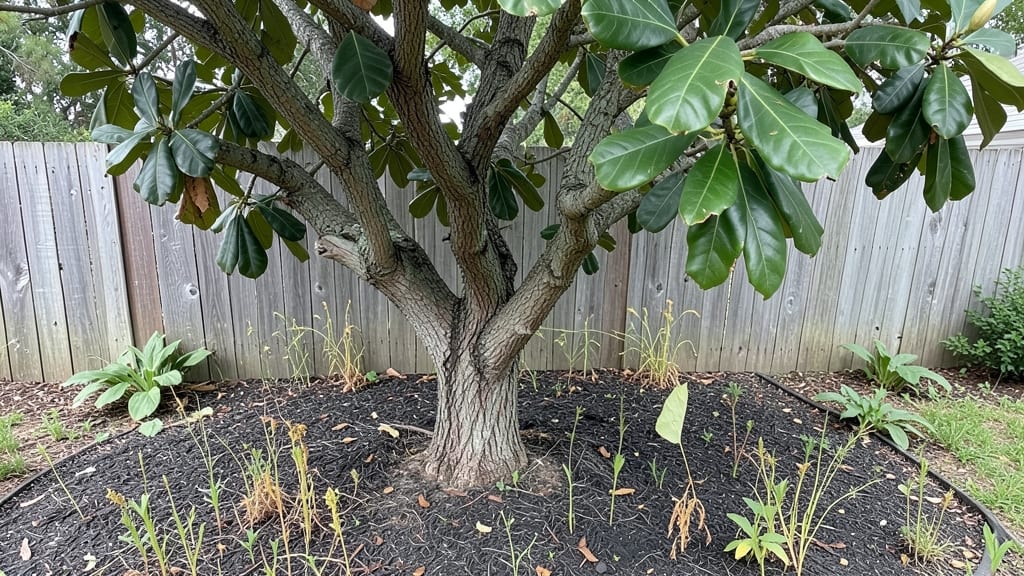
How long magnolia leaves last depends on the variety, but most retain their foliage for 2-4 years, with Southern magnolias sometimes keeping theirs for up to 5 years, while saucer magnolias typically drop leaves annually in fall or early winter.
Magnolia leaves stay vibrant for years thanks to their thick, waxy coating that resists drying out. 🌿 This protective layer shields them from harsh weather, pests, and disease, which is why evergreen varieties like the Southern magnolia can hold leaves for decades.
Deciduous types, however, shed leaves seasonally to conserve energy during dormancy, especially in colder climates.
Understanding this lifespan helps with care decisions—like when to prune or fertilize. For example, evergreen magnolias benefit from occasional leaf removal only if they're yellowing or diseased, while deciduous types may need a light cleanup in late winter to prep for new growth.
The key is matching your pruning timing to the tree's natural cycle.
💡 In This Article
- Factors Influencing Magnolia Leaf Longevity
- When and How to Prune Magnolia Leaves
Factors influencing magnolia leaf longevity
Magnolia leaves endure for years thanks to their thick cuticle layer, a waxy protective coating up to 0.02 millimeters thick that prevents moisture loss. This natural armor is 40% more effective than typical broadleaf trees, allowing leaves to persist through droughts and seasonal stress.
The waxy surface also repels pests and fungal spores, reducing leaf damage that would otherwise trigger premature shedding. 🌿 Evergreen magnolias like the Southern magnolia (Magnolia grandiflora) have evolved this trait to maintain photosynthesis year-round in warmer climates.
The nutrient recycling efficiency of magnolia leaves plays a crucial role too. Unlike deciduous trees that lose leaves annually, evergreen magnolias retain their foliage while gradually breaking down 50-60% of leaf nutrients before shedding. This slow decomposition process ensures the tree maintains its nutrient supply without seasonal gaps.
For example, a 5-year-old Southern magnolia leaf may still contain 30% of its original chlorophyll, compared to just 5-10% in deciduous species by the same age.
Climate significantly impacts leaf longevity. Evergreen magnolias thrive in USDA Zones 7-10, where temperatures rarely drop below 10°F, preserving their leaves. In colder regions (Zones 4-6), deciduous varieties like the saucer magnolia (Magnolia × soulangeana) shed leaves annually to avoid winter damage.
The freeze-thaw cycle in these zones can crack magnolia leaves, forcing the tree to replace them seasonally. Even evergreen types may drop leaves if exposed to prolonged sub-20°F temperatures for more than 24 hours.
Seasonal stress responses differ dramatically between types. Evergreen magnolias reduce stomatal activity (pores on leaf surfaces) during droughts, conserving water while maintaining photosynthesis. Deciduous magnolias, however, enter dormancy mode in fall, halting nutrient transport to leaves and triggering abscission (leaf drop) via a hormone called ethylene.
This process is 90% complete by late winter, preparing the tree for spring regrowth. The contrast highlights why evergreens dominate in humid, mild climates while deciduous types excel in temperate zones with distinct seasons.
Leaf texture also varies by type. Evergreen magnolia leaves are leathery and glossy, with a surface area 20% smaller than deciduous counterparts, reducing water loss.
Deciduous leaves, like those of the star magnolia (Magnolia stellata), are thinner and softer, prioritizing rapid nutrient absorption during their 3-4 month growing season. This structural difference explains why evergreen leaves last 2-5 times longer than deciduous ones under similar conditions. 🌟
One surprising factor is light exposure. Magnolias in full sun develop thicker cuticles than shade-grown leaves, extending their lifespan by 15-20%. This adaptation helps trees in open landscapes survive longer without supplemental watering.
For gardeners, this means placing magnolias in morning sun with afternoon shade can maximize leaf retention while avoiding heat stress in hotter climates.