
Size
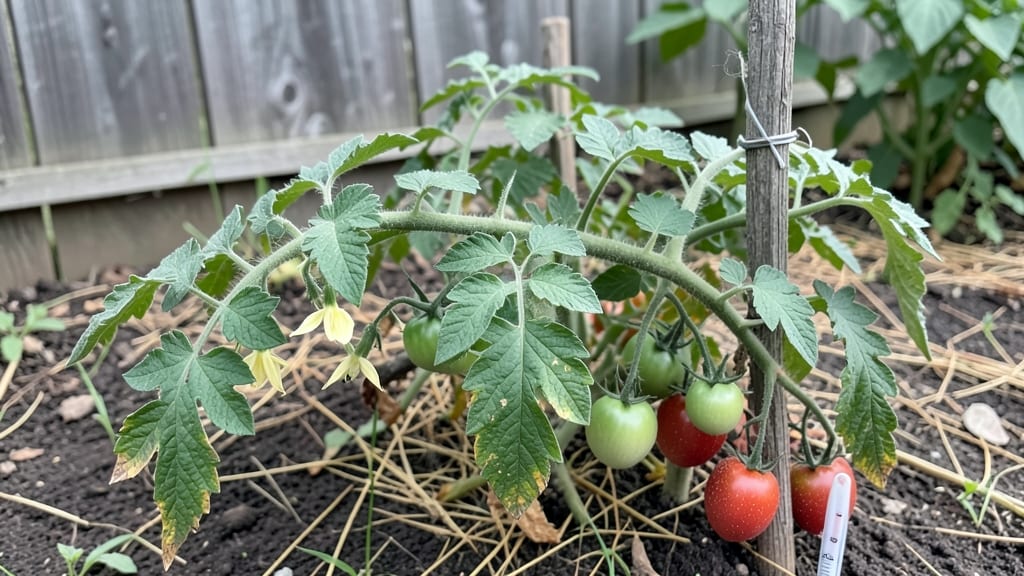
Tomatoes can tolerate temperatures as low as 28–32°F (-2 to 0°C) for short periods, though prolonged exposure below 32°F (0°C) risks damage. Cold-hardy varieties like 'Siberian' or 'Stupice' survive brief dips to 25°F (-4°C) with proper protection like mulch or row covers.
Understanding how low tomatoes can handle cold helps gardeners extend the growing season in cooler climates. 🌱 Most standard varieties suffer chilling injury when temperatures drop below 32°F (0°C), causing blackened leaves or stunted growth.
However, cold-hardy hybrids have developed adaptive traits like thicker cell walls and slower metabolic rates, allowing them to withstand brief freezes. For example, 'Stupice' tomatoes from Eastern Europe thrive in 25°F (-4°C) conditions when protected, while other varieties may need temporary covers like frost blankets to survive similar temperatures.
What sets these resilient varieties apart isn't just their genetic makeup but also their growth patterns. Many cold-tolerant tomatoes mature faster, completing their life cycle before winter sets in. This makes them ideal for short-season gardens in zones 3-5.
The key takeaway? While no tomato loves freezing temperatures, strategic variety selection and protective measures can push your harvest limits significantly further than you might expect.
💡 In This Article
- Cold Tolerance Mechanisms in Tomato Varieties
- Protecting Tomatoes from Frost: Practical Strategies
Cold tolerance mechanisms in tomato varieties
Cold-sensitive tomato varieties suffer damage when temperatures drop below 32°F (0°C) because their cell membranes contain high levels of unsaturated fats that become rigid in cold conditions. This rigidity disrupts nutrient transport and causes chilling injury, where cells leak electrolytes and develop blackened patches.
The metabolic slowdown also halts photosynthesis, leading to stunted growth or death within 24-48 hours of prolonged exposure.
Cold-hardy varieties like 'Siberian' and 'Stupice' have evolved thicker cell walls reinforced with pectin-rich compounds that maintain structural integrity at lower temperatures. Their genetic makeup also includes antifreeze proteins that prevent ice crystal formation in cellular fluids, similar to how some fish survive Arctic winters.
These adaptations allow them to continue limited metabolic functions even at 25°F (-4°C), though growth remains minimal until warmer conditions return.
The key difference lies in their growth cycles: cold-hardy tomatoes prioritize early maturation, completing their life cycle in 60-70 days compared to 80-90 days for standard varieties. This rapid development ensures they produce fruit before winter sets in permanently.
Their leaves also contain higher concentrations of phenolic compounds, which act as natural antioxidants protecting cellular structures from oxidative stress during cold snaps.
What most gardeners don't realize is that cold tolerance isn't just about survival—it's about stress resistance. Cold-hardy varieties can recover faster from brief freezes because their cellular repair mechanisms remain active longer.
For example, 'Stupice' tomatoes often bounce back from 25°F (-4°C) exposure with minimal leaf damage, while standard varieties might develop permanent brown spots that spread to the fruit.
Here's what's happening at the molecular level: cold-sensitive tomatoes experience enzyme denaturation when temperatures drop, particularly affecting enzymes like ATP synthase that power cellular energy production. Cold-hardy varieties maintain enzyme flexibility through specialized heat shock proteins that stabilize their structures.
This molecular resilience explains why some varieties can withstand 5°F (-15°C) with proper protection, while others fail at 32°F (0°C).
Consider this comparison: standard tomatoes treated like delicate orchids need constant warmth, while cold-hardy varieties operate more like tough shrubs that can endure brief cold snaps. The trade-off? Cold-hardy varieties often have slightly smaller fruits but produce them reliably in marginal climates where standard varieties would fail entirely. 🌟
For gardeners in transitional climates, selecting varieties with intermediate cold tolerance (like 'Mountain Merit') offers the best balance—capable of handling 28°F (-2°C) with minimal protection while still delivering quality fruit. The right choice depends on your specific frost patterns and how much protection you're willing to provide.