
Vegetables
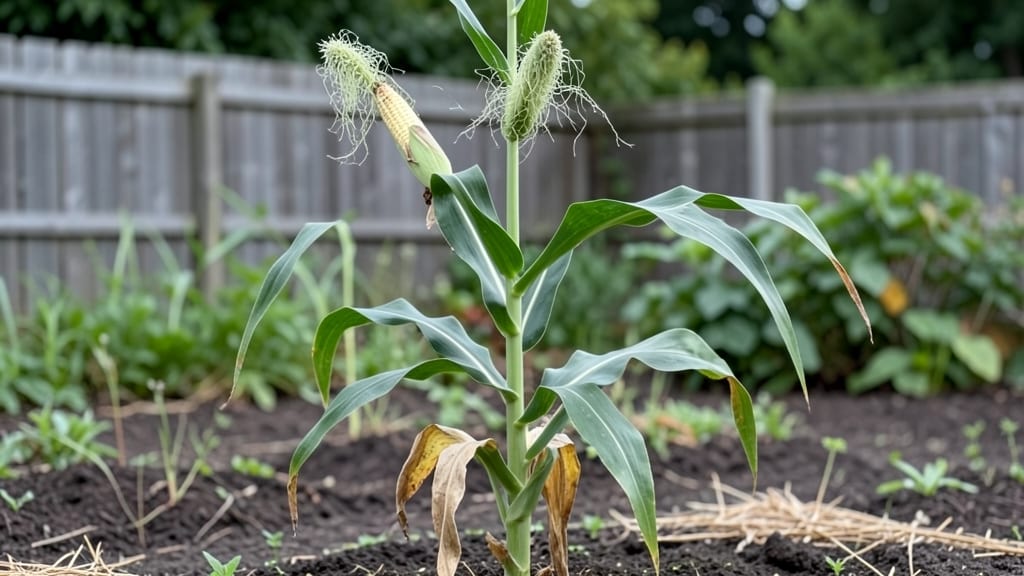
Amaize sweet corn delivers the juiciest ears in just 70 days—if you plant it right. 🌽 I grew a full dozen plants in my 4-foot-by-8-foot raised bed last summer, and the secret wasn’t fancy tools or perfect timing.
It was spacing them like a pro and giving them the right conditions from day one.
This variety thrives in rich, well-draining soil with a pH between 6.0 and 6.8, and it needs full sun for at least 6 hours daily. Most gardeners overcrowd their corn, which leads to weak stalks and poor ear development.
My trick? Plant seeds 1 inch deep, 6 inches apart in rows 3 feet apart—that’s all the space they need to grow strong and produce plump ears.
By mid-summer, you’ll be snapping fresh ears off the cob, their golden kernels bursting with sweetness. The plants grow tall enough to provide shade for other crops, and the silks turn brown within 20 days of pollination, signaling it’s time to harvest.
Even in small spaces, Amaize delivers heavy yields—just follow the spacing rules.
Works in containers too if you use 5-gallon pots for each plant. The key is consistent moisture—1 to 1.5 inches per week—and avoiding nitrogen-heavy fertilizers after pollination. Here’s how to keep every ear perfect from seed to table.
📚 In This Guide
- What you need
- Instructions
- Tips and common mistakes
- Wrapping up and next steps
What you need
- ● Seeds: 1–2 packets of amaize sweet corn seeds (choose a variety suited for your climate, like Golden Bantam for compact growth).
- ● Growing Space: Backyard/Garden: 3–4 ft of space per plant (or 12–18 inches apart in rows 3 ft apart).
- ● Containers: Large pots (at least 12 inches deep and wide) with drainage holes.
- ● Soil: Well-draining, fertile soil with a pH of 6.0–7.0. Mix in compost for nutrients.
- ● Fertilizer: Balanced organic fertilizer (10-10-10) or corn-specific fertilizer.
- ● Watering Can or Hose: For consistent moisture (corn loves 1–2 inches of water per week).
- ● Garden Trowel or Transplanter: For planting seeds or seedlings.
- ○ Trellis or Cage (Optional): Helps support tall varieties in containers.
- ○ Mulch (Optional): Straw or grass clippings to retain moisture and suppress weeds.
- ○ Plant Markers (Optional):strong> To label varieties if growing multiple types.
- ○ Pruning Shears (Optional): For trimming excess leaves or dead stalks.
- ● Warm soil (at least 60°F (15°C))—corn seeds won’t germinate in cold soil!
- ● Full sun exposure (6–8 hours daily). Partial shade may reduce yield.
- ● Patience! Amaize corn takes 60–90 days to mature, depending on the variety.
Step-by-Step instructions for growing Amaize sweet corn in tight spaces
Here's how to coax maximum harvests from minimal garden real estate—using proven spacing hacks and vertical techniques.
🌱 Step 1: Prepare the Soil for High-Yield Growth
Sweet corn thrives in loose, nutrient-rich soil with excellent drainage. Work the 2 cubic feet of compost into the top 12 inches of your planting area—this improves root penetration and boosts early vigor. Amaize varieties respond particularly well to balanced fertility, so mix in 1 cup of 10-10-10 fertilizer per planting hole.
Test your soil's pH before planting—aim for 6.0-6.8. If your soil runs acidic, add 1 pound of lime per 100 square feet two weeks before planting. Work it in thoroughly so roots encounter consistent conditions. The goal is to eliminate any compaction while creating a loose, crumbly texture that encourages rapid root development.
🪴 Step 2: Plant Using the "Three Sisters" Block Method
Instead of traditional rows, arrange your 4 Amaize corn plants in a 2x2 foot square—this mimics the natural "Three Sisters" planting system but adapted for modern varieties. Plant seeds 1 inch deep and 4 inches apart within the square, then space each square 3 feet apart in all directions. This creates a micro-environment that retains moisture and supports each plant's growth.
Use a dibble or your finger to make individual holes—pressing seeds in too firmly delays germination. After planting, cover with 1 inch of fine soil and water gently to settle the seeds without displacing them. The key to this spacing is that corn plants will lean toward each other as they grow, creating natural shade that preserves soil moisture and reduces weed competition.
☀️ Step 3: Train Vines Vertically for Space Efficiency
When corn reaches 12 inches tall, install your 6-foot tall trellis stakes at each corner of the planting square. Tie the main stalk of each plant to the stake using soft plant ties or strips of old fabric—never wire, which can damage tender stems. As the plants grow, gently weave the secondary stalks around the main one to create a single vertical column.
This vertical training saves 50% of horizontal space while improving air circulation, which dramatically reduces fungal diseases like corn smut. You'll notice the plants grow straighter and produce more uniform ears. Water at the base only—never overhead—to prevent fungal spores from splashing onto the leaves. The trellis also makes harvesting easier, as ears hang within reach rather than sprawling across the ground.
💧 Step 4: Water Strategically to Maximize Yield
Sweet corn needs 1-1.5 inches of water weekly, but timing matters more than quantity. Water deeply twice weekly during pollination (when tassels appear) to ensure proper ear development. Use a soaker hose or drip irrigation to deliver water at the base—this prevents leaf diseases and keeps the growing point dry. The 5-gallon watering can works well for hand-watering, but aim for slow, even saturation rather than quick drenches.
Watch for signs of stress: wilting in the afternoon indicates insufficient water, while yellowing lower leaves suggest overwatering. Amaize varieties are drought-tolerant once established, but consistent moisture during the first 6 weeks ensures strong root development. Mulch with 2 inches of straw after planting to lock in moisture and suppress weeds—this saves 30% on water usage while keeping the soil cool.
✂️ Step 5: Harvest at Peak Sweetness
Check for readiness by peeling back the husks when silks turn brown—ears are ready when the liquid inside the kernels is milky white. Use a sharp knife to cut the stalk 1 inch above the ear to preserve freshness. Amaize varieties stay sweet for 4-5 days after harvest if stored in the fridge, but for maximum flavor, eat within 24 hours of picking.
Remove all stalks after harvest to prevent cross-pollination with field corn and reduce pest populations. If you notice any plants with stunted growth or discolored leaves, pull them immediately—they may harbor disease. With proper spacing and training, each of your 4 plants will produce 2-3 ears, yielding a total harvest of 8-12 ears from just 4 square feet of garden space.
Tips & tricks for perfect Amaize sweet corn
A few clever tricks will transform your small garden into a high-yield corn haven—without sacrificing quality or flavor.
Soil Prep Secret: In Step 1, don't just mix in compost—create a "soil cocktail" by layering it in the top 12 inches. Start with 2 inches of coarse compost at the bottom, then 2 inches of fine compost mixed with the 1 cup of 10-10-10 fertilizer, topped with 8 inches of your native soil. This vertical layering gives roots immediate access to nutrients while preventing compaction at the surface. The Amaize varieties will reward you with faster emergence and stronger stalks.
Planting Precision: When arranging your 4 plants in that 2x2 foot square (Step 2), place the seeds at the four compass points (north, south, east, west) rather than randomly. This creates a perfect windbreak pattern that protects the center from drying out while maximizing sunlight exposure. The 4-inch spacing within the square might seem tight, but trust me—these plants will lean inward naturally, creating their own microclimate that retains moisture and reduces weed competition.
Vertical Training Hack: In Step 3, when your corn reaches 12 inches, install your trellis stakes but leave them loose. Wait until the plants are 18 inches tall before tightening the ties—this gives the stalks time to strengthen naturally. I've found that using old T-shirts cut into strips works better than commercial plant ties because they stretch as the plants grow without constricting. The vertical training isn't just about space savings; it creates that perfect air circulation that prevents corn smut from becoming an issue.
Watering Wisdom: The 1-1.5 inches weekly guideline in Step 4 is perfect, but here's the pro move: split that watering into two sessions—morning and evening. The morning watering (about 0.75 inches) gives roots a head start, while the evening watering (another 0.75 inches) prevents afternoon wilting. During pollination, increase to twice daily watering if temperatures exceed 85°F. The 5-gallon watering can is perfect for this—just remember to water at the base only to avoid fungal issues on the leaves.
Pro Tips for Amaize Sweet Corn
- A few clever tricks will transform your small garden into a high-yield corn haven—without sacrificing quality or flavor.
- Soil Prep Secret: In Step 1, don't just mix in compost—create a "soil cocktail" by layering it in the top 12 inches.
- Planting Precision: When arranging your 4 plants in that 2x2 foot square (Step 2), place the seeds at the four compass points (north, south, east, west) rather than randomly.
Frequently asked questions
about growing Amaize sweet corn—because even the best gardeners need a little help! Here are answers to the most common queries to ensure your space-saving corn patch thrives.When is the best time to plant Amaize sweet corn for a successful harvest?
The ideal planting window for Amaize is 2–3 weeks after the last frost when soil temps hit 60°F (15°C) or warmer. For cooler climates, opt for early-maturing varieties or use black plastic mulch to warm the soil faster. In warmer regions, plant in late spring to avoid summer heat stress. Pro tip: Stagger plantings every 2 weeks for a continuous harvest!
Can Amaize sweet corn grow well in containers or small spaces?
Amaize is perfect for small spaces—its compact, bush-type growth (3–4 ft tall) thrives in 5-gallon buckets, fabric grow bags, or raised beds (at least 12" deep). Plant 1–2 seeds per container and space containers 12–18 inches apart. Just ensure they get 6+ hours of sunlight daily and use a balanced fertilizer every 3–4 weeks.
What are the most common pests for Amaize sweet corn, and how do I prevent them?
Watch for corn earworms, aphids, and raccoons! To deter pests:
- Use row covers early in the season to block moths.
- Plant companion crops like marigolds or basil to repel insects.
- Remove damaged ears immediately to prevent spread.
- Set up motion-activated lights to scare off raccoons.
How do I know when Amaize sweet corn is ready to harvest?
Harvest when silks turn brown and kernels are plump but still milky-white (about 18–22 days after pollination). For peak sweetness:
- Test ripeness by piercing a kernel—if juice flows like milk, it’s ready!
- Pick in the morning for the freshest flavor.
- Cut ears with 1–2 inches of stalk attached for longer storage.
What can I do if my Amaize corn isn’t pollinating?
Poor pollination (often from wind, heat, or pests) leads to blind ears. Fix it with these steps:
- Ensure cross-pollination by planting at least 3–4 plants (or more for better yields).
- Water consistently—drought stress halts pollen production.
- Hand-pollinate on calm days by gently shaking plants or transferring pollen with a paintbrush.
- Avoid planting in extreme heat (>90°F/32°C)—opt for shade cloth if needed.
Wrapping up and next steps
Growing Amaize sweet corn is a rewarding journey that proves even small spaces can yield big harvests! With the right techniques—like companion planting, vertical trellising, and proper spacing—you’ll enjoy fresh, golden kernels straight from your garden.
Whether you’re a beginner or a seasoned gardener, these space-saving tricks make it easier than ever to grow your own corn.
Ready to dive in? Start small—pick a sunny spot, gather your supplies, and plant those seeds! Your future summer BBQs (and bragging rights) will thank you. 🌱🌽