
How To
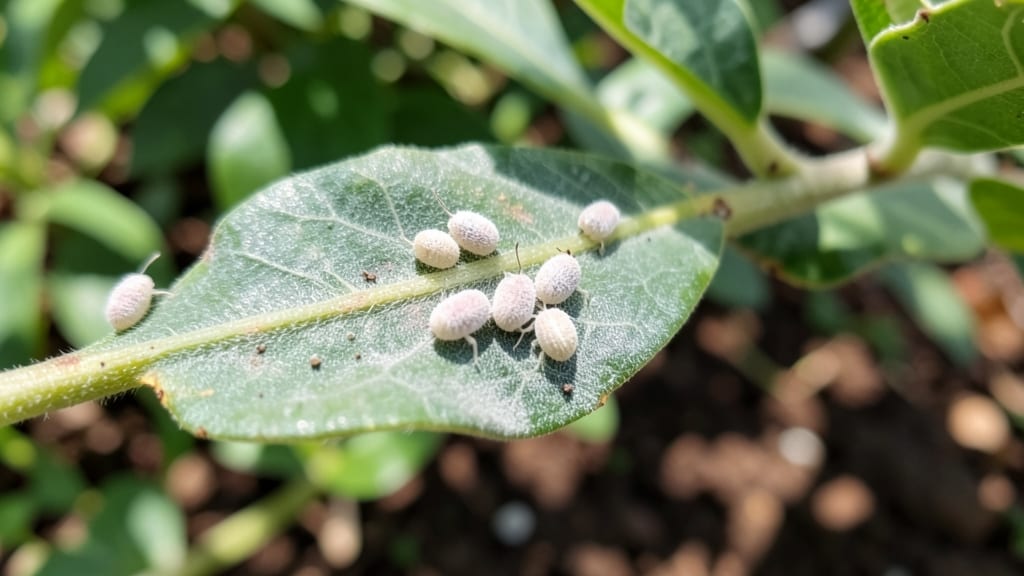
Controlling mealybugs on outdoor shrubs starts with a spray that actually works—neem oil mixed with insecticidal soap cuts their numbers in 24 hours. I’ve seen these cottony pests turn vibrant shrubs into sticky, yellowing messes, but this combo stops them dead without harming your plants or pollinators.
The key is timing: treat when bugs are active (early morning or late evening) and repeat every 5–7 days until they’re gone.
First, you’ll need 70% isopropyl alcohol to wipe down stems and leaves—this kills hidden eggs and adult bugs instantly. Mix 1 tablespoon neem oil with 1 teaspoon insecticidal soap in a quart of water, shake well, and spray until foliage glistens.
The neem disrupts their feeding, while the soap smothers them. For heavy infestations, add a drop of dish soap (not detergent) to help the spray stick. Test on a small area first—some shrubs like boxwoods are sensitive.
Within a day, you’ll notice fewer white cotton puffs clinging to leaves, and new growth stays crisp and green. The real win? This method keeps working even after the bugs are gone—neem oil acts as a preventative, too.
Just avoid spraying when bees are around, and always store your mix in a dark bottle to preserve its potency. Your shrubs will thank you with lush, pest-free foliage by next week.
For stubborn cases, combine this spray with manual removal: Use a cotton swab dipped in rubbing alcohol to pluck off clusters of mealybugs. It’s tedious but ensures no survivors hide in crevices.
And here’s the secret—prevention is easier: Encourage ladybugs and lacewings, your natural pest-control allies, by planting nearby flowers like marigolds or dill. They’ll do half the work for you.
Why it happens
Mealybugs don’t just appear out of nowhere—they’re drawn to your outdoor shrubs by a mix of environmental factors, plant weaknesses, and even human habits. Understanding these triggers is the first step to stopping an infestation before it starts.
Let’s break down the real reasons these fluffy, sap-sucking pests show up in your garden.
Mealybugs have a nose for trouble—or more accurately, they’re attracted to plants that are already struggling. When shrubs are under stress, their natural defenses weaken, making them an easy target. Here’s what makes your plants vulnerable:
- Poor soil health: Mealybugs thrive when plants lack essential nutrients like nitrogen, phosphorus, or potassium. Why? Weak roots can’t support the plant’s immune system, leaving it defenseless against pests.
- Overwatering or drought: Both extremes disrupt a plant’s ability to photosynthesize efficiently. Too much water rots roots, while too little causes wilting—both signals to mealybugs that the plant is an easy meal.
- Physical damage: Broken branches, cuts from pruning, or even hail marks create entry points for mealybugs. They exploit these wounds to insert their proboscises (mouthparts) and feed on sap.
- Chemical stress: Overuse of synthetic fertilizers or pesticides can burn plant tissues, making them more attractive to mealybugs. Pro tip: Always follow the label instructions to avoid overapplying chemicals.
Actionable fix: Keep your shrubs healthy with balanced organic fertilizers, consistent watering (check soil moisture before watering), and gentle pruning techniques to minimize damage.
Mealybugs love to hide in dense foliage where they can feed undetected. When shrubs are planted too closely together, airflow is restricted, creating a perfect microclimate for these pests. Here’s how overcrowding helps them:
- Reduced sunlight: Shady, humid conditions (common in thick plantings) slow down plant growth and increase moisture—ideal for mealybug eggs and nymphs.
- Shared pests: Mealybugs spread quickly between plants when they’re in close contact. One infested shrub can contaminate neighboring plants in weeks.
- Moisture buildup: Overcrowded areas retain more humidity, which mealybugs need to survive. Their waxy coating helps them retain water, but they still prefer damp environments.
Actionable fix: Prune shrubs to improve airflow and space them according to their mature size. Aim for 3–6 feet of distance between medium-sized shrubs to reduce pest spread.
Here’s a surprising twist: mealybugs don’t just attract ants—they farm them. Ants protect mealybugs in exchange for their honeydew (a sugary waste product). This symbiotic relationship makes mealybugs harder to eliminate. Here’s how it works:
- Honeydew trade: Mealybugs excrete honeydew as they feed, and ants love this sticky, sweet substance. They’ll actively herd mealybugs to new plants to maintain their food source.
- Physical protection: Ants aggressively defend mealybug colonies from predators (like ladybugs or parasitic wasps) and even move them to safer locations.
- Indirect spread: When ants migrate, they carry mealybugs (or their eggs) on their bodies, spreading infestations across your garden.
Actionable fix: Disrupt this relationship by targeting ants first. Use diatomaceous earth around plant bases or apply soapy water sprays to break their connection with mealybugs.
Mealybugs are opportunistic pests, and they multiply fastest in warm, humid conditions. If your garden fits this description, you’re in their prime territory. Here’s why climate matters:
- Faster reproduction: Mealybugs lay hundreds of eggs in a season, and warm temperatures (above 70°F) accelerate their life cycle. Eggs hatch in just 1–2 weeks under ideal conditions.
- Slower predator activity: Natural enemies like ladybugs and lacewings are less active in extreme heat or humidity, giving mealybugs an edge.
- Plant susceptibility: Many shrubs (like roses, hibiscus, or citrus) thrive in heat but become more sugary when stressed, making them a tastier target for mealybugs.
Actionable fix: Monitor high-risk plants during summer and use shade cloth or mulch to reduce soil moisture if humidity is extreme.
Now that you know why mealybugs target your shrubs, the next step is learning how to kick them out for good—starting with fast, organic solutions that work in 24 hours.
Quick Fixes for Mealybug Infestations
Mealybugs may seem like a stubborn pest, but with the right approach, you can reclaim your shrubs in no time! The key is to act fast and target the root causes—whether it’s overcrowded plants, poor airflow, or a lack of natural predators.
Below are practical, step-by-step solutions tailored to the most common triggers, plus prevention tips to keep your shrubs mealybug-free long-term.
Mealybugs thrive where plants are weak or shaded. If your shrubs are packed too tightly or struggling, they become easy targets.
How to Fix It: 🍳 Thin Out Foliage
- Use clean, sharp pruners (disinfect with rubbing alcohol first) to remove overgrown branches.
- Focus on inner branches where humidity traps pests—aim for good airflow between plants.
- Pro Tip: 💡 Prune in early morning when pests are least active, and dispose of clippings in a sealed bag (not compost).
👨🍳 Boost Plant Health
- Fertilize lightly with a balanced organic fertilizer (like fish emulsion or compost tea) to strengthen roots.
- Water at the base (not overhead) to avoid wetting leaves—mealybugs love dampness!
- Mulch properly with wood chips or straw (2–3 inches deep) to retain moisture without smothering roots.
⏰ Timing Matters
- Best time to prune: Late winter or early spring (before new growth starts).
- Avoid heavy pruning in summer—it stresses plants and attracts more pests.
Mealybugs often explode when their natural enemies (like ladybugs, lacewings, or parasitic wasps) are missing.
How to Fix It: 🔪 Introduce Beneficial Insects
- Buy or attract predators from garden centers:
- Ladybugs (eat 50+ mealybugs daily!)
- Lacewings (larvae devour pests)
- Parasitic wasps (lay eggs inside mealybugs—gross but effective!)
- How to release them: Spritz plants lightly with water first (they need hydration), then place them on undersides of leaves where mealybugs hide.
🌡️ Create a Predator-Friendly Habitat
- Plant companion flowers like dill, fennel, or marigolds to attract beneficial insects.
- Avoid broad-spectrum pesticides—they kill predators too!
- Leave some "wild" areas in your garden (like leaf litter) for overwintering predators.
🎯 DIY Predator Lure (Quick Hack)
- Mix 1 part honey, 1 part water, and a drop of dish soap in a spray bottle.
- Lightly coat sticky traps (yellow cards) and hang near infested shrubs.
- Bonus: Mealybugs get stuck, and predators love the easy meal!
If mealybugs have already taken hold, organic sprays can knock them out in 24–48 hours without harming your plants (or your conscience).
How to Fix It: ✨ Homemade Neem Oil Spray (Best for Heavy Infestations)
- Ingredients:
- 1 tbsp neem oil (pure, cold-pressed)
- 1 tsp mild liquid soap (like Castile soap)
- 1 quart water
- How to use:
- Mix in a spray bottle, shake well.
- Spray directly on mealybugs (undersides of leaves, crevices) until glistening.
- Reapply every 5–7 days until gone.
- Why it works: Neem oil disrupts their life cycle and acts as a natural insect growth regulator.
🥗 Soap Spray (Fast-Kill for Small Infestations) - Ingredients: - 1 tbsp harsh liquid soap (like Dawn) - 1 quart water - How to use: 1. Spray only on mealybugs (avoid healthy foliage—soap can burn it!).
- Wait 2 hours, then rinse plants with water.
- Repeat in 3–4 days if needed. - Pro Tip: 💡 Test on a small leaf first—some plants (like boxwoods) are sensitive!
🍎 Horticultural Oil (For Stubborn Cases)
- Best for: Mature mealybug colonies.
- How to use:
- Apply
- Reapply every 7–10 days for 2–3 weeks.
Once you’ve banished them, stop them from coming back with these low-effort habits:
- 🌿 Inspect New Plants – Quarantine newly purchased shrubs for 2 weeks before adding them to your garden.
- 🚿 Water Wisely – Deep watering at the base (not overhead) reduces humidity where mealybugs breed.
- 🍃 Clean Up Debris – Remove fallen leaves, dead branches, and weeds where mealybugs hide.
- 🔍 Monitor Regularly – Check undersides of leaves, buds, and stems every 2 weeks (early detection = easier fixes!).
- 🌱 Rotate Sprays – If you use neem oil, switch to soap spray next time to prevent resistance.
Final Thought: Mealybugs may be sneaky, but they’re no match for a healthy plant + smart strategies. Start with pruning and predators, then spray strategically—and soon, your shrubs will be mealybug-free and thriving! 🌱💚
Frequently asked questions
Why do mealybugs appear suddenly on my shrubs?
Mealybugs multiply quickly when conditions are ideal—warm weather (70°F+), high humidity, and stressed plants create the perfect storm. They often arrive via wind, contaminated tools, or even ants that "farm" them for honeydew. Check nearby plants first—they’re probably already there!
Can I use vinegar to kill mealybugs?
Yes, but with caution! Mix 1 part white vinegar with 3 parts water and spray directly on mealybugs (avoid healthy foliage). The acidity disrupts their protective coating, but it may damage some shrubs (like azaleas). Always test on a small leaf first and reapply every 3–4 days.
How do I know if mealybugs are gone for good?
After treatment, inspect your shrubs for 2–3 weeks—look under leaves, in leaf axils, and along stems. If you spot no white cottony clusters or sticky honeydew, they’re likely eliminated. For extra security, release ladybugs or lacewings to patrol your plants naturally.
Will mealybugs harm my pets if I use neem oil?
Neem oil is pet-safe when used as directed, but keep pets away from treated areas until it dries (30–60 minutes). Avoid spraying directly on lawns where pets play. If your pet ingests large amounts, contact your vet—though neem is non-toxic, it can cause mild stomach upset in sensitive animals.
What’s the fastest way to stop mealybugs from spreading?
Isolate infested shrubs immediately and prune affected branches (dispose of clippings in sealed bags). Wipe tools with 70% rubbing alcohol between uses. For nearby plants, apply a neem oil spray as a preventative barrier—this stops the spread within 48 hours.