
Companion Plants
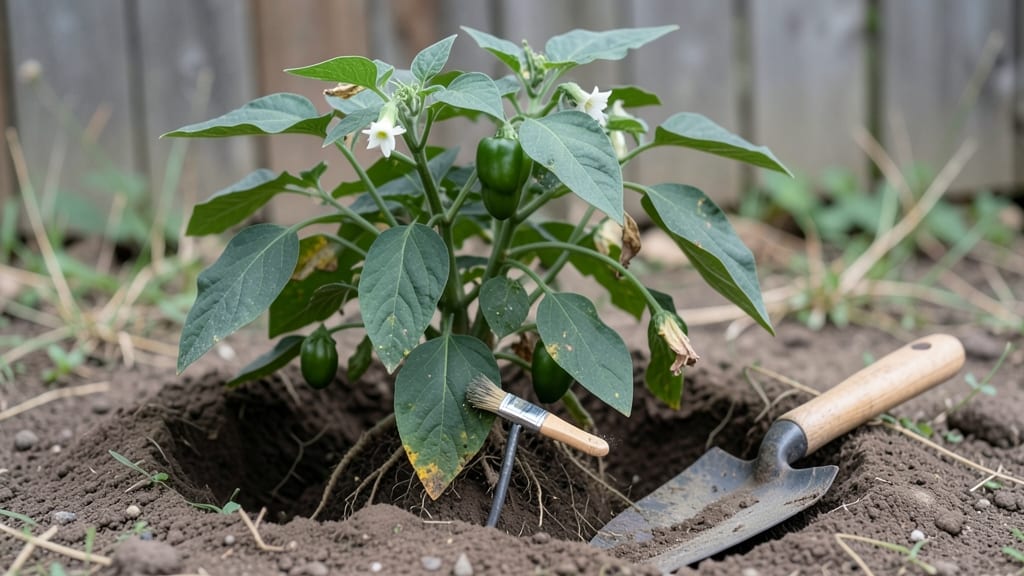
Pollinating pepper plants by hand guarantees the fruit set you’ve been waiting for—especially when bees or wind aren’t doing the job. 🌿 I learned this the hard way after watching my indoor peppers bloom but never produce, and now my plants go from flowers to peppers like clockwork.
The secret isn’t complicated: it’s about timing, technique, and knowing when those flowers are ready for a little help.
You’ll need just a few simple tools: a small paintbrush or cotton swab, a spray bottle with water, and a steady hand. The best time to pollinate is on dry, sunny mornings when flowers are fully open but still fresh.
Humidity matters too—if your air feels thick, peppers often struggle to set fruit, but this method bypasses that problem entirely. Most gardeners skip this step until they see the first sign of blossom drop, but I’ve found starting at the first flower saves time and frustration.
By the end of a week of gentle pollination, you’ll notice tiny peppers forming where there were just buds. The key is consistency—check your plants every morning, and within 10-14 days, you’ll have a crop of firm, healthy peppers ready to harvest.
Even in low-light indoor setups, this method works like a charm, turning empty blooms into a harvest you can actually enjoy.
Whether you’re growing in a greenhouse, on a sunny windowsill, or in the backyard, these tricks adapt easily. The only real mistake? Waiting too long.
Once you see the first signs of fruit set, your patience will pay off with peppers that are bigger, more uniform, and ready to harvest weeks ahead of schedule.
📚 In This Guide
- What you need
- Instructions
- Tips and common mistakes
- Wrapping up and next steps
What you need
- ● Pepper plants: Healthy, flowering plants (preferably at least 6-8 inches tall with visible blooms). Aim for 1-10 plants, depending on your space and goals!
- ● Soft-bristle paintbrush: A small, clean makeup or artist’s brush (size 00 or 0) for gentle pollen transfer.
- ● Small container or tray: A shallow dish (e.g., a saucer or plastic container) to collect excess pollen.
- ● Water spray bottle: A lightweight misting bottle (4-8 oz) with clean water for dampening flowers if needed.
- ○ Pruning shears or scissors: Sterilized, sharp tools for trimming excess flowers or stems (optional but helpful).
- ● Notebook & pen: To track pollination dates and monitor fruit development.
- ● Handheld magnifying glass: For close-up inspection of flowers and pollen (great for beginners!).
- ● Pollen collection tool: A fine mesh sieve or small funnel to gather pollen from male flowers (for large-scale pollination).
- ● Pollination log template: A printable or digital chart to track which flowers you’ve pollinated.
- ● Gloves (nitrile or cotton): To keep hands clean and avoid transferring oils that might inhibit pollination.
- ● Humidity tray or dome: If your environment is dry, a small tray with water and pebbles can boost humidity around plants.
Step-by-step instructions for hand-pollinating pepper plants
Skip the guesswork—these simple tricks ensure every flower becomes a pepper.
🌿 Step 1: Identify Flowers Ready for Pollination
Peppers bloom with both male and female flowers, but only female flowers produce fruit. Female flowers have a tiny pepper-shaped bump at their base (the ovary). Wait until the flower fully opens—it should be bright and slightly sticky with pollen. I check in the morning when humidity is lower and flowers are freshest.
Gently shake the plant near the flowers to release any existing pollen. If you see bees or other pollinators already working, they’ve likely done their job—but hand-pollination guarantees results even in bad weather or when pests keep pollinators away. Focus on flowers that are fully open for 1-2 days; they’re most receptive.
💧 Step 2: Collect Pollen Using a Soft Brush
Use a clean, dry paintbrush or cotton swab to gather pollen from male flowers. Male flowers have long stems and no ovary bump—they’re the ones that produce pollen. Brush the brush lightly over the anthers (the yellow dusty parts) of 3-4 male flowers to collect enough pollen for one female flower.
If you don’t see male flowers, don’t panic—pepper plants often produce female flowers first. In that case, use pollen from another pepper plant or save some for later. Avoid touching the brush to anything else (like soil or leaves) to keep the pollen pure. The goal is to transfer as much pollen as possible without damaging the flower.
✂️ Step 3: Transfer Pollen to Female Flowers
Hold the female flower steady with one hand and gently brush the collected pollen over its stigma (the sticky tip in the center). You’ll see the stigma glisten slightly—this means the pollen is sticking. Repeat for 2-3 female flowers per plant to maximize fruit set. I like to do this in the late morning when flowers are fully open and humidity is low.
If the stigma doesn’t look sticky or the pollen clumps instead of spreading, try a fresh brush or collect more pollen. Over-pollinating won’t hurt the plant, but under-pollinating means wasted effort. You’ll know it worked when the flower wilts and drops within 24-48 hours—that’s the plant’s way of saying, “Fruit is on the way!”
☀️ Step 4: Support Pollinated Flowers for Fruit Development
After pollination, keep the plant in a spot with 6-8 hours of sunlight daily and consistent moisture. Water at the base (not the leaves) to avoid fungal issues, and fertilize lightly with a balanced 10-10-10 mix every 2-3 weeks. You’ll see tiny peppers form within 7-10 days, starting as small green bumps.
Remove any remaining unpollinated flowers if you want to focus energy on the developing peppers. I pinch off the first few flowers on young plants to encourage stronger root and stem growth before they bear fruit. Once peppers reach 1 inch long, they’re less likely to drop, so you can stop hand-pollinating unless you’re growing a specific variety that needs extra help.
⏰ Step 5: Repeat Weekly Until Harvest Time
Peppers bloom continuously, so check for new flowers every 3-5 days and pollinate them immediately. I set a reminder on my phone for every Tuesday and Friday to stay on track. If you miss a flower, it’ll still drop pollen, but hand-pollination ensures a higher success rate—especially in greenhouses, indoors, or during rainy seasons.
Watch for signs of stress like yellowing leaves or wilting flowers, which can signal overwatering or nutrient deficiencies. A healthy plant with strong stems produces the best fruit. Once peppers reach maturity (color depends on the variety), you’ll have a steady harvest for weeks. Save seeds from your best peppers to grow next year’s plants!
Tips & tricks for perfect pepper pollination
These simple tricks will help you maximize your pepper harvest with minimal effort.
Timing is Everything: The 1-2 day window for fully open flowers is crucial—this is when they're most receptive to pollen. I've found that early morning is the best time to check for open flowers because humidity is lower, making it easier to see the tiny ovary bump on female flowers. If you're working in humid conditions, try mid-morning when flowers are fully open but dew has evaporated.
Brush Selection Matters: While paintbrushes and cotton swabs work, I've had the best results with toothpicks or small makeup brushes. These allow for more precise pollen transfer without damaging delicate flower parts. Just dip the tip in pollen from male flowers and gently touch the stigma of female flowers. The key is to avoid pressing too hard—you want to transfer pollen, not crush the flower.
Check for Success: That 24-48 hour window after pollination is your best indicator of success. When the flower wilts and drops, it means pollination worked! I like to mark pollinated flowers with a tiny piece of colored tape so I don't accidentally pollinate them again. This also helps me track which flowers are most productive on my plants.
Environmental Support: Those critical 6-8 hours of sunlight are non-negotiable for fruit development. If your peppers aren't getting enough light, consider supplementing with grow lights for 12-14 hours daily. I've also found that maintaining consistent moisture (watering at the base every 2-3 days) prevents stress that can cause flowers to drop before pollination.
Pro Tips for Pollinate Pepper Plants
- These simple tricks will help you maximize your pepper harvest with minimal effort.
- Timing is Everything: The 1-2 day window for fully open flowers is crucial—this is when they're most receptive to pollen.
- Brush Selection Matters: While paintbrushes and cotton swabs work, I've had the best results with toothpicks or small makeup brushes.
Frequently asked questions
Got questions about pollinating pepper plants? You’re not alone! Here are some of the most common queries—and their straightforward answers—to help you grow a thriving garden.
Do pepper plants need hand-pollination?
Most pepper varieties—especially bell peppers—are self-pollinating, but hand-pollination can boost fruit set, especially in hot, dry, or windless conditions. If you notice flowers dropping without fruiting, give them a little help!
When is the best time to pollinate pepper plants?
Pollinate in the morning when flowers are fully open and dew has dried. Avoid midday heat or evening dampness, as these can stress the plants. Aim for 3–5 days per week during peak blooming (usually late spring to early summer).
What if my pepper flowers aren’t producing fruit?
Check for these common issues:
- Lack of pollination: Try hand-pollinating or introduce bees.
- Temperature stress: Peppers need 60–90°F to set fruit.
- Nutrient deficiency: Add phosphorus-rich fertilizer (like bone meal) to encourage flowering.
Can I use bees or other pollinators instead of hand-pollinating?
Bees are your best natural pollinators. Plant bee-friendly flowers (like marigolds or basil) nearby to attract them. If bees are scarce, try a small paintbrush or cotton swab to transfer pollen manually—just mimic how bees buzz-pollinate!
What if my pepper plants are outside in cold weather?
Peppers won’t pollinate well below 50°F. If frost threatens, move potted plants indoors or to a greenhouse. For outdoor plants, use row covers or a cloche to protect them. Once temperatures rise, resume pollination to restart fruit development.
Still stumped? Drop your question in the comments—we’re happy to help you grow a pepper patch to be proud of!
Wrapping up and next steps
Pollinating pepper plants is a simple yet rewarding task that can dramatically boost your harvest—whether you’re growing sweet bell peppers, spicy jalapeños, or everything in between! 🌱 With just a little patience and the right techniques, you’ll be well on your way to a garden overflowing with vibrant, flavorful peppers.
Now that you’ve got the know-how, it’s time to roll up your sleeves and watch those flowers turn into fruit.
Ready to take the next step? Start by monitoring your plants daily—keep an eye out for blooms and apply your new pollination skills as soon as they appear. And don’t forget to share your progress with fellow gardeners; their tips might just help you refine your technique even further!