
Pruning
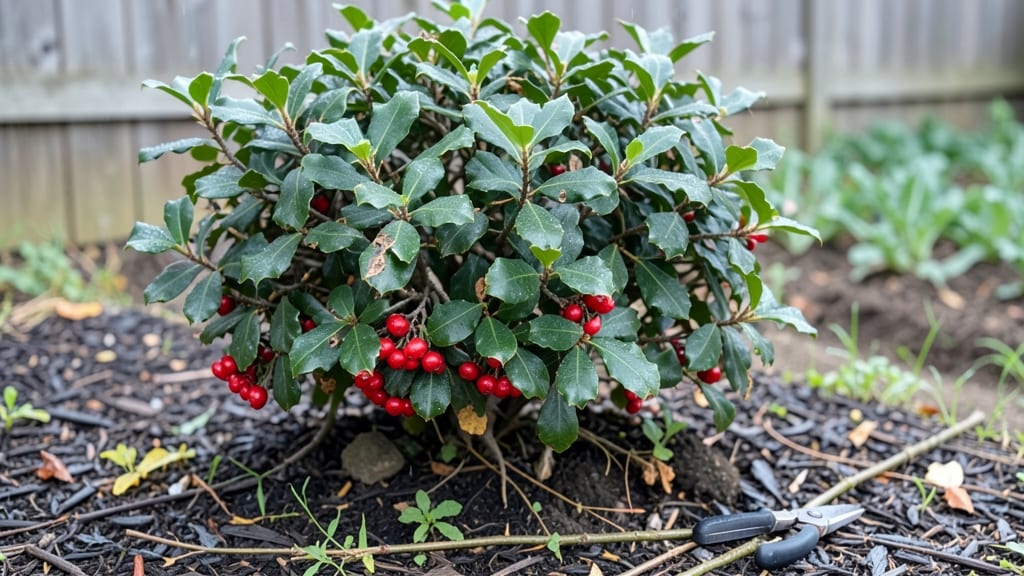
Pruning holly shrubs transforms them from scraggly to showstopping within a single season. ✨ I’ve pruned mine every year for five winters now, and the difference between a neglected bush and a lush, berry-laden specimen is all in the cuts—when you make them and how.
The key isn’t just shaping; it’s unlocking that dense, glossy growth and the bright red berries that make holly a holiday staple.
Most gardeners wait until late winter or early spring, but holly’s flexible enough to handle light pruning almost year-round. You’ll need sharp bypass pruners, gloves (those thorns don’t play nice), and a clear vision of your shrub’s natural shape—holly responds best to gradual shaping rather than drastic cuts.
Start by removing dead or crossing branches first; they’re the easiest to spot and the most critical to address.
After the basics, focus on thinning out the interior to let light reach the center—this is where berries form. Every cut you make now means more vibrant foliage and heavier fruit next year. The goal isn’t perfection; it’s creating an open framework that lets your holly breathe and thrive.
You’ll see new growth within weeks, and by next winter, your neighbors will be asking for your pruning secrets.
For advanced gardeners, summer pruning can encourage bushier growth, but timing matters—wait until after flowering if you want berries. And here’s the pro tip: holly’s slow-growing, so don’t rush it.
A little patience means decades of lush, healthy shrubs that outshine the rest of the landscape. Ready to give your holly the makeover it deserves?
📚 In This Guide
- What you need
- Instructions
- Tips and common mistakes
- Wrapping up and next steps
What you need
- ● Before you dive into pruning your holly shrub, gathering the right tools and materials will make the job smoother and safer. Here’s what you’ll need:
- ● Pro tip: 💡 Always sharpen your tools before starting—dull blades tear branches, stressing the plant and inviting disease. A quick wipe-down with disinfectant between cuts keeps your holly healthy!
Step-by-Step guide to pruning a holly shrub
Holly shrubs thrive with the right cuts—here’s how to keep them lush and healthy year-round.
✂️ Step 1: Choose the Right Time to Prune
Prune holly shrubs in late winter or early spring, just before new growth begins. This timing ensures you don’t disrupt flowering or berry production, which happens on old wood. Avoid pruning in fall—you’ll miss the berries that birds and wildlife rely on for winter food. If you must shape lightly, do it right after berries ripen in late summer, but keep cuts minimal.
I always check the buds first—if they’re plump and ready to swell, it’s time to prune. Holly grows slowly, so a little patience here pays off later with stronger branches. Never prune when the shrub is under stress from drought or extreme heat.
✂️ Step 2: Gather Your Tools and Prepare
Use sharp, clean pruning shears for small branches and loppers for thicker stems. Disinfect your tools with rubbing alcohol to prevent spreading disease between cuts. Holly shrubs bleed sap when pruned, so have a small container ready to catch drips—it’s messy but harmless.
Put on gloves to protect your hands from thorns and sap. I like to lay down a tarp or old sheet beneath the shrub to collect fallen berries and leaves—holly berries are toxic if ingested, so keep pets and kids away while working.
✂️ Step 3: Remove Dead or Damaged Branches First
Scan the shrub for dead, diseased, or crossing branches—these take priority. Cut dead wood back to healthy growth, making clean cuts at a 45-degree angle just above a leaf node or bud. This encourages new growth in the right direction. If a branch is diseased, sterilize your tools between cuts to avoid spreading pathogens.
Watch for branches rubbing against each other—they’ll eventually tear and leave wounds. Removing these early prevents future rot or pest entry points. Holly is tough, but it still benefits from a little preventive care.
✂️ Step 4: Thin Out the Center for Airflow
Holly shrubs thicken over time, blocking light and airflow in the center. Thin out 20-30% of the oldest, thickest branches to open up the shrub. Start at the base and work upward, cutting branches back to their origin or a strong lateral branch. This step is critical for preventing fungal diseases like powdery mildew.
You’ll see a difference immediately—the center will look lighter and more inviting. Holly responds well to thinning, and you’ll notice new growth filling in the gaps within a season. Just avoid over-pruning; holly grows slowly, and too many cuts can stress the plant.
✂️ Step 5: Shape and Maintain the Outer Form
Now focus on the shrub’s overall shape. Holly tolerates light pruning, so take your time to create a natural, balanced silhouette. Cut back overgrown branches to maintain the desired height and width. For formal hedges, use a hedge trimmer for even edges, but leave some texture—holly’s spiky leaves add character.
Step back often to check your progress. Holly’s glossy leaves make every cut visible, so you’ll see exactly where adjustments are needed. Avoid cutting into old wood if you want berries—always leave at least 6-12 inches of mature branch to produce fruit.
⏰ Step 6: Clean Up and Monitor Progress
Rake up all fallen leaves and clippings to reduce disease risk. Holly debris can harbor pests or fungi, so dispose of it in the trash—not the compost pile. Water the shrub deeply after pruning to help it recover, especially if you’ve made significant cuts.
Check the pruned areas in 4-6 weeks—you should see new growth emerging from the cut surfaces. If you notice yellowing leaves or stunted growth, it could mean over-pruning or stress. Holly is forgiving, but it’s always better to err on the side of caution with these slow-growing shrubs.
Tips & tricks for perfect holly shrub pruning
Pruning holly shrubs the right way transforms them from overgrown to showstopping—here’s how to avoid common mistakes and get professional results.
Timing Secret: The late winter or early spring timing in Step 1 is non-negotiable for berry production. I’ve seen gardeners prune in fall and lose their entire berry crop—birds and wildlife depend on those berries for winter food. If you must do light shaping, wait until after berries ripen in late summer, but keep it minimal. Holly’s growth cycle is delicate, and timing makes all the difference.
Tool Technique: Step 2 emphasizes sharp tools, but here’s what nobody tells you—sterilize your tools between every diseased branch cut. I use rubbing alcohol on a rag between cuts, and it’s made the difference between healthy and struggling holly. Also, that 45-degree angle in Step 3 isn’t just for looks—it prevents water from pooling in the cut, which could lead to rot. Practice on scrap wood first if you’re new to clean cuts.
Thinning Strategy: When thinning 20-30% of oldest branches in Step 4, focus on branches that are thicker than a pencil. These are the ones blocking airflow and creating that dense center. I like to work from the inside out—start with the thickest branches at the base and move upward. This creates instant airflow while preserving the shrub’s natural shape. Remember, holly grows slowly, so you’re not removing too much—you’re making room for better growth.
Berry Preservation: Step 5’s warning about leaving 6-12 inches of mature branch is critical if you want berries. I’ve made the mistake of cutting too aggressively and ended up with a beautiful shape but no fruit. For berry-producing varieties, always leave at least one mature branch per section. The glossy leaves make every cut visible, so you’ll immediately see where you’ve gone too far—just step back and reassess before making final cuts.
Pro Tips for Prune A Holly Shrub
- Pruning holly shrubs the right way transforms them from overgrown to showstopping—here’s how to avoid common mistakes and get professional results.
- Timing Secret: The late winter or early spring timing in Step 1 is non-negotiable for berry production.
- Tool Technique: Step 2 emphasizes sharp tools, but here’s what nobody tells you—sterilize your tools between every diseased branch cut.
Frequently asked questions
Got questions about pruning your holly shrub? You’re not alone! Whether you're a first-timer or a seasoned gardener, these FAQs will help you prune like a pro.
When is the best time to prune holly shrubs?
The ideal time to prune holly is late winter or early spring (just before new growth begins). Avoid pruning in fall—it can stimulate tender new growth that may be damaged by frost. For minor shaping, you can prune lightly after flowering, but avoid heavy cuts then.
Can I prune holly in winter?
Yes, but only if necessary (e.g., removing dead or diseased branches). Holly is dormant in winter, so it won’t bleed sap like some trees. However, avoid heavy pruning—wait until spring for major shaping to encourage robust regrowth.
Why does my holly have sparse berries after pruning?
Holly berries develop on old wood, so over-pruning (especially cutting back too much in spring) can reduce fruit production. Limit pruning to 1/3 of the plant’s height and avoid removing flowering stems. Patience pays off—berries may return stronger in 1–2 years!
What should I do if I prune too much?
Don’t panic! Holly is resilient. If you’ve over-pruned, water deeply and fertilize lightly with a balanced 10-10-10 formula. Avoid further cuts that season, and focus on new growth next spring. Over time, your holly will recover its shape.
Can I shape holly into a tree?
To create a standard holly tree, prune the center stem to encourage height, then trim side branches to form a rounded canopy. Use selective pruning to maintain symmetry. Start young for best results, but mature hollies can also be trained with patience.
Wrapping up and next steps
Pruning your holly shrub doesn’t have to be intimidating—with the right tools, timing, and techniques, you can keep it thriving and stunning year-round! 🌿 Whether you’re shaping it for aesthetics or promoting healthier growth, remember to prune in late winter or early spring, avoid over-cutting, and always sterilize your tools.
Your holly will reward you with lush foliage and vibrant berries for seasons to come.
Now that you’re armed with the know-how, grab those shears and get pruning! For extra inspiration, check out our guide on designing with holly shrubs—because a well-pruned holly isn’t just healthy, it’s a showstopper in any landscape. Happy gardening! ✨