
Pruning
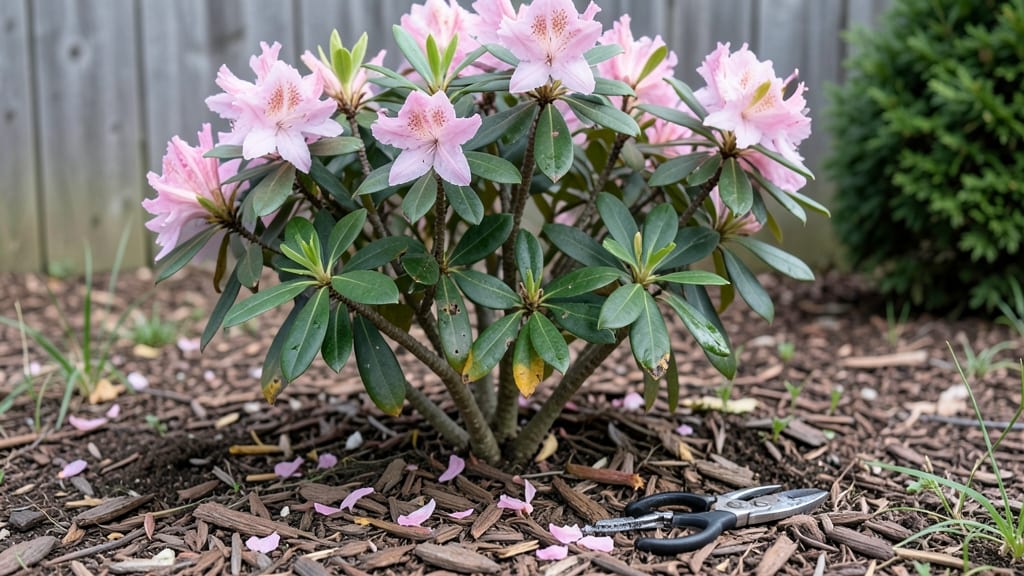
Pruning azalea shrubs after they bloom is the secret to keeping them healthy and bursting with flowers every spring. I learned this the hard way when my azaleas turned into leggy, sparse bushes after aggressive winter pruning—until I discovered the right timing and technique.
The key isn’t just when you cut but how you shape the plant to encourage dense growth and vibrant blooms.
You’ll need just three basic tools: sharp pruning shears for clean cuts, loppers for thicker branches, and gloves to protect your hands from the occasional thorn.
The process takes about 20-30 minutes per shrub, depending on its size, and focuses on removing dead wood, thinning crowded branches, and shaping the plant to let light reach the center.
Most importantly, you’ll avoid the common mistake of pruning in late summer or fall, which can cut off next year’s flower buds.
What you’ll end up with is a bush that looks fuller, blooms more abundantly, and stays disease-resistant by improving airflow. The new growth after pruning is especially tender—water it well for the first two weeks to help it establish, and avoid heavy fertilizing until you see fresh leaves.
With the right approach, your azaleas will reward you with show-stopping blooms year after year.
This method works for all azalea types, from the compact Encore series to the classic Knock Out shrubs. Whether you’re shaping a young plant or rejuvenating an overgrown one, the principles stay the same. Let’s get those shears ready and bring your azaleas back to life!
📚 In This Guide
- What you need
- Instructions
- Tips and common mistakes
- Wrapping up and next steps
What you need
- ● Bypass pruners: Sharp, clean pruners (1 pair) for cutting small stems (up to ½ inch thick). Look for ergonomic handles for comfort.
- ● Loppers: Heavy-duty loppers (1 pair) for thicker branches (½ to 1½ inches). Choose ones with a long reach for hard-to-access spots.
- ○ Hand pruners (optional): A backup pair (1) for quick trims or if you’re working alone.
- ● Garden gloves: A pair of durable, cut-resistant gloves (1) to protect your hands from thorns and sap.
- ● Disinfectant (70% isopropyl alcohol or bleach solution): A small bottle (4 oz) to clean tools between cuts and prevent disease spread.
- ● Trash bags or bucket: 1-2 large bags or a 5-gallon bucket to collect pruned branches and debris.
- ○ Pruning sealant (optional): A small tube (2 oz) for sealing large cuts (over ½ inch) to prevent disease.
- ● Ladder or step stool (if needed): A sturdy, stable ladder (or a 4-foot step stool) for reaching taller azaleas safely.
- ○ Notebook and pen (optional): For sketching your azalea’s shape or noting areas to focus on in future pruning sessions.
- ● Check the weather: Prune on a dry, overcast day or early morning to avoid stressing the plant.
- ● Know your azalea’s bloom time (early spring vs. late spring) to prune at the right season.
- ● Have a clear vision of your goal—whether it’s shaping, rejuvenating, or encouraging new growth.
Step-by-Step instructions for pruning azalea shrubs
Here’s my foolproof method for keeping azaleas lush and blooming every year—no guesswork involved.
Prune Immediately After Flowering
Azaleas bloom on last year’s growth, so timing matters. Wait until after all flowers have faded—usually late spring to early summer—before cutting back. This ensures you don’t remove next year’s buds hidden among the spent blooms. Grab your bypass pruners and start by removing any dead, diseased, or crossing branches first. These are easy to spot—they’ll be brown, shriveled, or growing inward.
Next, focus on shaping. Azaleas naturally grow in a rounded form, so I trim just the outermost tips of branches to encourage fullness. Never cut more than one-third of the plant’s height in a single session—this stresses the shrub and can reduce flowering. Watch for new growth emerging from old wood; these are your clues that the plant is responding well.
Thin Out Crowded Branches for Airflow
Azaleas thrive when they get good airflow, so thin out 10-20% of the oldest, thickest branches each year. These are the ones that look woody and overcrowded. Cut them back to the ground or to a side branch where it naturally forks. This opens up the center of the shrub, reducing humidity buildup that can lead to powdery mildew or fungal issues.
I like to start at the outer edges and work my way inward. If a branch is growing straight up instead of outward, trim it back to encourage a bushier shape. You’ll know you’ve done enough when you can see light filtering through the center without peeking through gaps. Avoid shearing—azaleas hate it. Instead, make clean cuts just above a leaf node where new growth can sprout.
Lightly Prune in Late Summer for Next Year’s Blooms
In late August to early September, give your azaleas a light maintenance trim to prep for next spring’s flowers. This is where you remove any suckers (shoots growing from the base) and any branches that are growing in odd directions. Use your hand pruners to make 45-degree cuts just above a leaf or bud. Avoid heavy pruning now—you’re just tidying up, not reshaping.
This late-season trim encourages the plant to focus energy on developing next year’s flower buds rather than excessive leaf growth. You’ll notice the branches look neater and more structured, but don’t expect dramatic changes. The real magic happens when you pair this with regular watering and mulching to keep the roots cool and moist.
Clean Up and Protect in Winter
Once winter arrives, remove all fallen leaves and debris from around the base of your azaleas. This prevents pests and diseases from overwintering. If you notice brown, crispy leaves still clinging to the branches, leave them—they provide some protection against harsh winds. However, dead branches should be cut back to healthy wood immediately.
Apply a 2-3 inch layer of mulch around the base (but not touching the trunk) to insulate the roots. I use pine bark mulch because it breaks down slowly and adds organic matter to the soil. Azaleas prefer acidic soil, so avoid lime-based fertilizers or compost. By spring, you’ll see fresh green growth emerging from the base, signaling the plant is healthy and ready for another blooming season.
Tips & tricks for pruning azalea shrubs
These simple strategies will help you keep your azaleas thriving and blooming beautifully year after year.
The Timing Factor: The late spring to early summer window for your first pruning is critical because azaleas bloom on last year's growth. I can't stress enough how important it is to wait until all flowers have completely faded before cutting back—this ensures you don't accidentally remove next year's flower buds hiding among the spent blooms. Mark your calendar for this timing, as it varies slightly depending on your climate zone.
Tool Selection Matters: Always use bypass pruners for azaleas—they make clean cuts without crushing the delicate stems. I keep a pair specifically for my azaleas and sharpen them annually. For thicker branches, switch to loppers, but never use hedge shears as they can damage the plant's natural shape. Remember to sterilize your tools with rubbing alcohol between cuts to prevent spreading disease between branches.
Pruning Technique: When shaping in Step 1, focus on cutting just above a leaf node where new growth can emerge. This encourages bushier growth rather than leaving stubs that can attract pests. I like to make cuts at a 45-degree angle just above the node—this helps water run off and prevents rot. For the 10-20% thinning in Step 2, prioritize removing branches that are crossing or growing inward to improve airflow through the center of the plant.
Seasonal Care: The late summer maintenance trim in Step 3 is often overlooked, but it's essential for next year's blooms. This is when you remove those pesky suckers growing from the base and any oddly growing branches. I find it helpful to do this trim after a rain when the plant is well-hydrated, as the leaves are more pliable and easier to work with. This timing also gives the plant time to recover before winter.
Pro Tips for Prune Azalea Shrubs
- These simple strategies will help you keep your azaleas thriving and blooming beautifully year after year.
- The Timing Factor: The late spring to early summer window for your first pruning is critical because azaleas bloom on last year's growth.
- Tool Selection Matters: Always use bypass pruners for azaleas—they make clean cuts without crushing the delicate stems.
Frequently asked questions
Got questions about pruning your azaleas? You’re not alone! Here are some of the most common concerns—plus clear, actionable answers to keep your shrubs thriving.
When is the best time to prune azaleas?
The ideal window is right after they finish blooming (late spring to early summer). This ensures you don’t cut off next year’s flower buds, which form on old wood. Avoid pruning in fall or winter—it stresses the plant and invites pests. If you missed the spring deadline, a light trim in late summer (before September) is better than nothing!
Can I prune azaleas in winter?
Not recommended! Azaleas are dormant in winter, and pruning then can expose them to cold damage and disease. If you must prune in winter (e.g., removing dead branches), do it on a dry, mild day and avoid heavy cuts. Always prioritize spring or summer for optimal results.
Will pruning azaleas reduce next year’s flowers?
Only if done incorrectly! Azaleas bloom on old wood, so pruning too late (after buds form) or cutting back more than 1/3 of the plant can limit blooms. Focus on shaping, removing dead wood, and thinning crowded stems—this encourages healthier (not fewer) flowers. Patience pays off!
What if my azalea looks sad after pruning?
Don’t panic! A little stress is normal. Water deeply, mulch around the base (but keep it away from the trunk), and avoid fertilizing right after pruning. If leaves yellow or wilt, check for over-pruning or pests. Most azaleas bounce back in 2–4 weeks with proper care.
Can I shape azaleas into topiary or hedges?
Azaleas respond well to light, frequent pruning for topiary or hedges. Use sharp shears for clean cuts, and prune monthly during the growing season (spring–summer) to maintain shape. Feed with acid-loving fertilizer in early spring to support new growth. Just avoid heavy pruning—keep it gradual!
Wrapping up and next steps
Pruning your azalea shrubs doesn’t have to be intimidating—just follow the right timing, techniques, and tools to keep them thriving! By understanding when (late spring or early summer) and how (shape, thin, and avoid over-pruning) to trim, you’ll encourage lush foliage and stunning blooms year after year. 🌸
Now that you’re armed with the knowledge, grab your pruners and give your azaleas the care they deserve. Next up: Monitor their growth, adjust your approach as needed, and enjoy the beautiful results of your hard work!