
Pruning
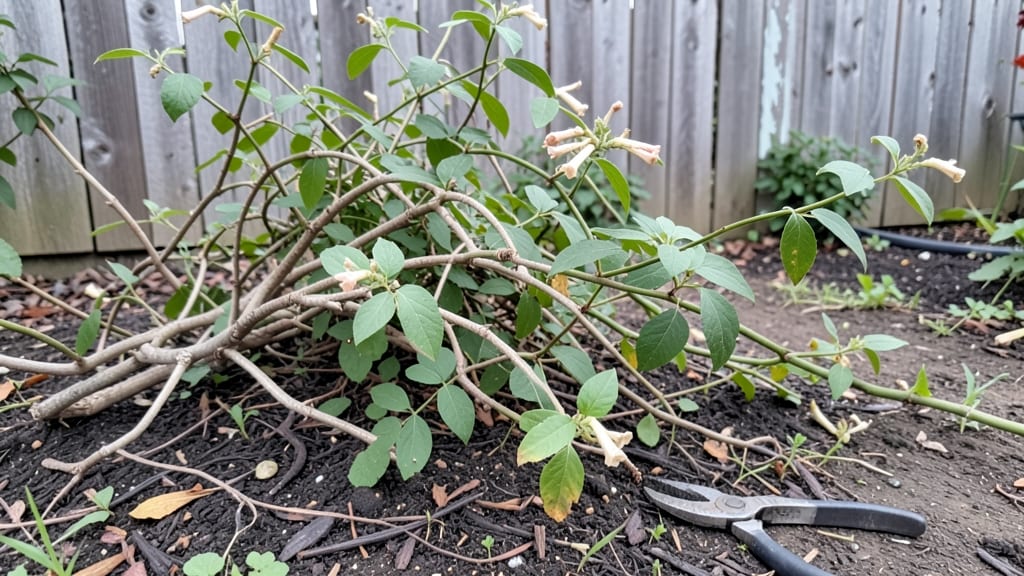
Pruning honeysuckle shrubs transforms tangled messes into lush, fragrant hedges that bloom all season. I’ve learned the hard way that timing and technique make the difference between a shrub that thrives and one that struggles.
The key is cutting at the right moments—late winter for major shaping and summer for light maintenance—to encourage dense growth and more flowers.
You only need a few tools: sharp bypass pruners for clean cuts, loppers for thicker stems, and gloves to protect your hands from thorns. Start by removing dead or crossing branches first—they’re the easiest to spot and make the biggest impact.
Then focus on thinning out the center to let sunlight reach the inner stems, which is where the best blooms form.
After pruning, your honeysuckle will reward you with thicker foliage and longer flowering seasons. The new growth that appears within weeks is a sign you’re doing it right.
Just avoid cutting back more than a third of the plant at once, or you’ll stress it out. The goal is to shape without sacrificing its natural beauty.
This method works for both old and new shrubs, whether you’re shaping a hedge or rejuvenating an overgrown plant. Once you see the difference, you’ll never let honeysuckle grow wild again. Let’s get those pruners sharp and start shaping!
📚 In This Guide
- What you need
- Instructions
- Tips and common mistakes
- Wrapping up and next steps
What you need
- ● Pruning shears: Bypass pruners (sharp, 6-8 inch blades) for clean cuts on small stems. Anvil pruners (for thicker branches, but avoid crushing stems).
- ● Loppers: Long-handled (20-24 inches) for thicker branches (½–1½ inches in diameter).
- ● Pruning saw: Curved-tooth saw for branches thicker than 1½ inches (avoid dull blades—honeysuckle is tough!).
- ● Gloves: Heavy-duty, cut-resistant gloves (thorns are sharp!).
- ● Safety glasses: Protective goggles to shield eyes from debris.
- ● Disinfectant: Rubbing alcohol (70%+) or bleach solution (1 part bleach to 9 parts water) to sterilize tools between cuts (prevents disease spread).
- ○ Pruning sealant: Optional (for large cuts > ½ inch), like tree wound pruning paste to reduce sap loss.
- ● Trash bags: Heavy-duty for collecting pruned branches (honeysuckle can be invasive—don’t compost diseased or pest-ridden clippings!).
- ● Ladder: Sturdy, extendable ladder (if shrub exceeds 6 feet). Safety tip: Use a spotter or secure the ladder on three sides.
- ● Hose or bucket: For rinsing tools post-pruning to remove sap.
- ● Timing: Prune in late winter/early spring (before new growth) or right after flowering (summer). Avoid heavy pruning in fall.
- ● Weather: Choose a dry, calm day (no rain for 24 hours before/after pruning).
- ● Research: Identify your honeysuckle type (e.g., Japanese, Trumpet, or Native American)—some varieties respond differently to pruning!
Step-by-Step instructions for pruning honeysuckle shrubs
Here’s how I keep honeysuckle blooming all season long—no guesswork, just sharp cuts and smart timing.
Gather Your Tools and Assess the Shrub
First, grab your pruning shears for small branches and a pruning saw for thicker stems over ½ inch in diameter. I always wear gloves—honeysuckle thorns are no joke. Stand back and scan the shrub for dead wood, crossing branches, and overcrowded stems. Look for brown, brittle branches or those growing inward—they’re your first targets.
This is the moment that matters: pruning honeysuckle at the wrong time can kill next year’s blooms. Most varieties flower on new wood, so you can prune anytime except late summer when buds form. If your shrub blooms in spring, wait until right after flowering to avoid cutting off next year’s blossoms.
Remove Dead, Diseased, or Damaged Wood
Start by cutting out dead branches—they’re easy to spot because they’re brown, dry, and snap when bent. Use your shears to make a clean cut just outside the branch collar, the swollen area where the branch meets the trunk. Avoid leaving stubs; they invite rot and pests. For diseased branches, sterilize your tools with rubbing alcohol between cuts to prevent spreading.
Next, tackle any crossing or rubbing branches. These compete for energy and create wounds where disease can sneak in. Cut one of the branches all the way back to its origin. If you’re unsure which to remove, pick the smaller or weaker stem—honeysuckle responds well to being thinned out.
Thin Out Overcrowded Areas for Better Airflow
Honeysuckle grows fast, and without pruning, the center fills in like a thicket. Step back and look for clusters of stems growing too close together. Your goal is to let light and air reach the inner branches. Remove one-third of the oldest stems at the base—this encourages new growth from the ground up and keeps the shrub bushier.
I like to prune in stages if the shrub is large. Cut out 3-4 stems per year over 3 years to avoid shocking the plant. You’ll see the difference in 2-3 weeks: new shoots will emerge from the base, and the shrub will start filling out more evenly.
Shape the Shrub for Balance and Bloom
Now it’s time to refine the shape. Honeysuckle responds well to light shaping, but don’t go overboard—you want to encourage natural growth. Start at the outer edges and trim back any branches that are growing too long or leggy. Cut just above a leaf node (the bump where leaves attach) to promote branching.
For a more formal look, you can prune to create a rounded shape, but I prefer a natural, slightly irregular form—it looks more organic and attracts more pollinators. Avoid cutting back more than one-third of the shrub’s total growth in a single year. If you do, you’ll end up with a sad, sparse plant for a season.
Clean Up and Monitor for New Growth
After pruning, rake up all the clippings and dispose of them in the trash—never compost diseased branches. I like to give the shrub a light fertilizer after pruning to help it recover, but only if the soil looks tired. Water deeply to help the cuts heal and reduce stress on the plant.
Watch for new shoots emerging from the base within 2-3 weeks. These are your signal that the pruning worked. If you see yellowing leaves or wilting, you might have over-pruned—give the shrub time to adjust, and avoid heavy pruning next year. With consistent care, your honeysuckle will reward you with vibrant blooms and lush foliage all season long.
Tips & tricks for pruning honeysuckle shrubs
Perfecting your pruning technique takes practice, but these insights will help you avoid common mistakes and get the most out of your honeysuckle shrubs.
The Right Time Matters: I can't stress this enough—timing is everything. For spring-blooming varieties, prune immediately after the flowers fade. This ensures you don't accidentally remove next year's flower buds that form in late summer. If your shrub blooms in summer, you have more flexibility, but avoid heavy pruning in late summer when buds are developing.
Clean Cuts Prevent Problems: When removing branches in Step 2, make your cuts just outside the branch collar where the branch meets the trunk. This promotes faster healing and prevents disease from entering the plant. I've seen too many people leave stubs that rot over time. Also, sterilize your tools between cuts if you're dealing with diseased branches—rubbing alcohol works perfectly for this.
Thinning is Better Than Shearing: In Step 3, resist the urge to shear honeysuckle into a formal shape. Instead, focus on thinning out crowded areas by removing one-third of the oldest stems at the base. This open structure allows better airflow and sunlight penetration, which prevents fungal diseases. I've found that honeysuckle responds best to natural shaping rather than forced geometric forms.
Monitor for New Growth: After completing all steps, watch for new shoots emerging from the base within 2-3 weeks. This is your confirmation that the pruning was successful. If you notice yellowing leaves or wilting, you may have over-pruned. In that case, give the plant time to recover and avoid heavy pruning next year. A light touch goes a long way with honeysuckle.
Pro Tips for Prune Honeysuckle Shrub
- Perfecting your pruning technique takes practice, but these insights will help you avoid common mistakes and get the most out of your honeysuckle shrubs.
- The Right Time Matters: I can't stress this enough—timing is everything.
- Clean Cuts Prevent Problems: When removing branches in Step 2, make your cuts just outside the branch collar where the branch meets the trunk.
Frequently asked questions
Got questions about pruning honeysuckle shrubs?
You’re not alone! Here are answers to the most common concerns—from timing to tools—to keep your shrubs thriving after a sharp trim.
When is the best time to prune honeysuckle?
Prune after flowering (late spring to early summer) to encourage bushier growth and more blooms next year. Light shaping can happen in late winter, but avoid heavy cuts then—it stresses the plant. For invasive varieties, prune aggressively in early spring before new growth starts.
Can I prune honeysuckle in fall or winter?
Fall pruning is risky—it can stimulate tender new growth that won’t survive frost. Winter pruning (late winter) is better, but limit cuts to 1/3 of the plant max. If you must prune in fall, do it 6+ weeks before frost and avoid heavy shaping. Evergreen varieties are slightly more forgiving.
What if I prune too much? Will my honeysuckle die?
Honeysuckle is tough, but never remove more than 1/3 of the plant at once. Over-pruning can shock the shrub, leading to sparse foliage or weak blooms. If you’ve already cut too much, don’t panic—focus on watering deeply and fertilizing lightly (use a balanced 10-10-10) to help it recover by next spring.
How do I prune honeysuckle to control its spread?
For invasive types (like Lonicera japonica), prune below the soil line in early spring to weaken roots. Cut back all stems to 6–12 inches and repeat annually. For non-invasive varieties, prune new shoots back to 2–3 buds to redirect energy upward. Mulch heavily after pruning to suppress regrowth.
What’s the difference between pruning honeysuckle and other shrubs?
Unlike formal shrubs (e.g., boxwoods), honeysuckle thrives on open, airy pruning—never shearing into a tight hedge. Focus on removing dead wood, crossing branches, and thinning interior growth to improve airflow. It blooms on new wood, so avoid heavy cuts on old stems unless they’re diseased or dead.
Pro Tip:
Use sterilized pruners (rubbing alcohol or bleach wipe) between cuts to prevent spreading fire blight or fungal diseases. If you see blackened, oozy stems, prune 6 inches below the damage and dispose of clippings immediately in the trash (not compost).
Wrapping up and next steps
Pruning your honeysuckle shrub doesn’t have to be intimidating—with the right tools, timing, and techniques, you’ll encourage lush, vibrant growth all year long! 🌿 Remember to cut back in late winter or early spring, remove dead or crossing branches, and always use sharp, clean shears for the best results.
A little effort now means a blooming, fragrant reward for seasons to come.
Ready to take the next step? Monitor your shrub’s progress after pruning and adjust as needed. Happy gardening—your honeysuckle will thank you with stunning flowers and sweet fragrance! 🌸