
Advice
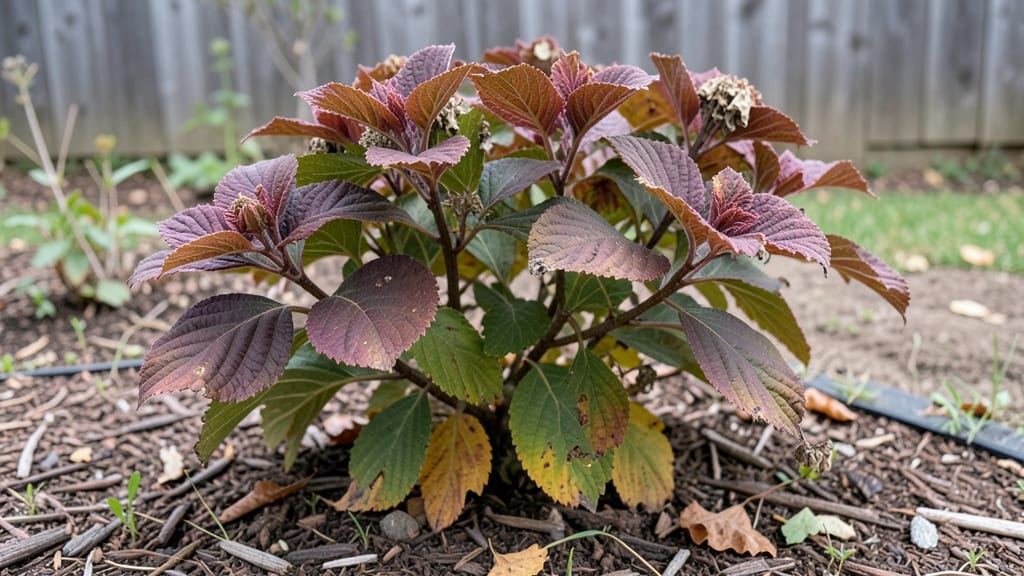
Hydrangea fall color transformations happen when seasonal changes trigger biochemical shifts in the blooms, shifting them from summer blues and pinks to rich purples, fiery reds, or warm browns as chlorophyll fades and protective pigments take over. Pruning spent flowers in late winter keeps your plants healthy and sets the stage for next year's stunning autumn display.
This seasonal color shift isn't just nature's magic trick—it's a survival mechanism.
As daylight shortens and temperatures drop, hydrangeas produce anthocyanins, the same pigments that make red apples or purple grapes so vibrant. 🌿 The intensity of these colors varies by variety: Hydrangea macrophylla (like Endless Summer) often turns deep burgundy, while Hydrangea paniculata varieties like Limelight develop fiery reds.
What's fascinating is how soil pH plays a role—acidic soil enhances blues, while alkaline conditions bring out pinks, and these same conditions influence autumnal hues too.
To make the most of this natural spectacle, I've learned a few tricks over the years. First, never prune in spring—wait until late winter when the plant is dormant. This gives you a head start on new growth that'll be primed for those dramatic fall transformations.
For extra vibrancy, I always top-dress with a low-nitrogen fertilizer in early summer and maintain consistent moisture—hydrangeas hate drought stress. And here's a pro tip: oakleaf varieties develop stunning autumn foliage too, so don't just focus on the flowers!
💡 In This Article
- Science Behind Hydrangea Fall Color Transitions
- Best Practices for Enhancing Hydrangea Autumn Foliage
Science behind Hydrangea fall color transitions
Here's what's actually happening in your hydrangea bushes as summer fades: the green chlorophyll that dominated during growing season begins breaking down as daylight hours shrink and temperatures dip below 60°F.
This degradation exposes other pigments that were always present but masked by chlorophyll's dominance. 🌿 The key players are anthocyanins, water-soluble pigments that give autumn leaves and fruits their fiery hues.
These compounds act like sunscreen for the plant, protecting cells from excess light when chlorophyll can't handle the job anymore.
Different hydrangea varieties show this process in spectacularly different ways. Take Hydrangea macrophylla (the bigleaf types) - their blooms often shift from summer pinks to deep burgundy or rust tones as anthocyanins flood the petals.
The pH-dependent color mechanism continues in autumn: plants grown in acidic soil (pH 5.5-6.0) will develop more vibrant reds, while those in alkaline conditions lean toward purples.
Meanwhile, Hydrangea paniculata varieties like 'Limelight' go through a completely different transformation, starting green in summer and maturing to fiery reds by fall - a process driven by carotenoids (orange pigments) combining with anthocyanins.
Light exposure plays a crucial role too. Plants receiving at least 6 hours of direct sunlight develop more intense fall colors because they produce higher concentrations of anthocyanins.
I've noticed this dramatically in my own garden: the Hydrangea quercifolia (oakleaf) in full sun turns brilliant crimson, while the same variety in partial shade develops more muted bronze hues.
The shorter daylight triggers a hormonal shift that increases sugar production in leaves and flowers, which then feeds anthocyanin synthesis. 💫
What most people don't realize is that this color change serves a biological purpose. The anthocyanins don't just look beautiful - they help protect the plant's cells from photooxidative damage during the stress of seasonal transition.
This is why hydrangeas in colder climates often develop more vibrant autumn colors than those in mild winters: the greater temperature fluctuation triggers stronger protective responses. The same mechanism explains why hydrangeas at higher elevations tend to have more dramatic fall displays than those at sea level.
Let's look at the timeline: color changes typically begin in late summer when night temperatures consistently drop below 55°F, with peak intensity occurring 4-6 weeks before first frost. The process accelerates as chlorophyll levels drop below 20% of summer levels - that's when you'll see those stunning color transformations.
Interestingly, some varieties like 'Nikko Blue' maintain their blue hues longer into autumn before finally shifting to purples, while others like 'Vanille Fraise' go from white to deep pink in just a few weeks.
The biochemical pathway involves several steps: first, chlorophyllase enzymes break down chlorophyll molecules, then anthocyanin biosynthesis pathways activate in response to cold stress and reduced light. This process is regulated by specific genes that get "turned on" by environmental signals.
What's fascinating is that these same pathways are what give red cabbage its color changes and blueberries their deep hues - it's all connected through plant biochemistry! 🌈