
Light Requirements
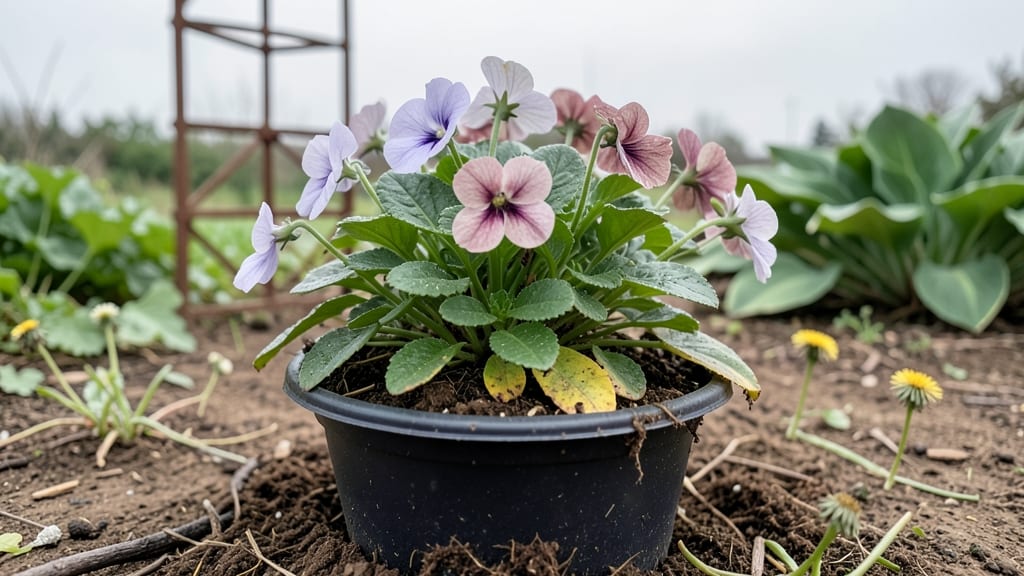
Growing impatiens in full shade is the secret weapon for turning dull garden corners into vibrant blooming spots 🌸.
Struggling to bring color to your darkest garden corners? Impatiens aren’t just for sunny spots—they thrive in full shade, offering vibrant blooms with minimal sunlight. Discover the best varieties and care tips to transform your gloomiest garden areas into lush, flowering havens.
In USDA Zone 6a, plant your impatiens between April and May when soil temperatures hit 55°F. These shade-loving beauties prefer moist, well-draining soil and consistent watering—think of them as the divas of the garden who demand attention but reward you with nonstop color from June through September.
From choosing the right varieties to mastering watering schedules and troubleshooting leggy growth, this guide will help you keep your impatiens thriving—whether in garden beds, containers, or hanging baskets. Let’s make your shady spots the envy of the neighborhood!
 Best Window Placement
Top 5 impatiens varieties perfect for full shade gardens
If you’ve ever thought impatiens only belong in bright, sunny spots, think again! These shade-loving beauties thrive in full shade gardens where other plants struggle. With their vibrant blooms and compact growth, they’re perfect for adding color to dark corners, under trees, or along north-facing walls.
The key is choosing the right impatiens varieties—some are better suited for heat tolerance, while others excel in cool, damp conditions. Let’s explore the top 5 that will transform your gloomiest spots into flowering oases.
Not all impatiens are created equal. Classic impatiens (like Impatiens walleriana) are the prolific bloomers you’ll find at garden centers, but New Guinea impatiens (like Impatiens hawkeri) bring bold foliage and heat resistance to the table.
Both types love shade, but their care needs and color ranges vary. Whether you’re after tiny trailing varieties for hanging baskets or taller bushy types for borders, there’s an impatiens perfect for your shade garden design.
| Variety | Type | Height | Color Range | Heat Tolerance | Best For |
|---|---|---|---|---|---|
| New Guinea Impatiens | Impatiens hawkeri | 12-24" | Red, orange, pink, white, bicolor | High (up to 90°F) | Containers, borders, heat zones |
| Super Elfin Impatiens | Impatiens walleriana | 6-10" | Pink, purple, red, white | Moderate (up to 80°F) | Hanging baskets, window boxes |
| Diamond Falls Impatiens | Impatiens walleriana | 8-12" | Pink, purple, red, white | Moderate (up to 80°F) | Trailing displays, shade gardens |
| Accent White Impatiens | Impatiens walleriana | 10-12" | Pure white | Moderate (up to 80°F) | Contrast planting, borders |
| Celebrity Series | Impatiens walleriana | 8-12" | Red, pink, purple, white | Moderate (up to 80°F) | Mass planting, containers |
New Guinea impatiens are my top pick for heat-loving shade gardens. Unlike their classic cousins, these tropical beauties handle temperatures up to 90°F while still thriving in full shade. Their bold foliage in shades of green, purple, or even black adds texture, while their large, showy blooms come in fiery reds, oranges, and deep pinks. Varieties like 'Lava Red' or 'Peach Parfait' bring a jungle-like vibe to your garden, making them ideal for humid climates or urban courtyards with limited sun.
For compact and prolific blooms, 'Super Elfin' impatiens are a game-changer. These dwarf varieties grow just 6-10 inches tall but pack a punch with non-stop flowers in shades of pink, purple, and red. They’re perfect for hanging baskets or window boxes where you want
How to plant and care for impatiens in full shade
Impatiens are my go-to for adding vibrant color to those tricky full-shade spots where other plants struggle. Their delicate blooms and lush foliage make them perfect for woodland gardens, north-facing patios, or under trees.
The key to success? Mimicking their natural moist, shaded habitats in your own garden. With the right soil prep and care routine, you'll enjoy nonstop blooms from spring until frost.
Before you plant, it's crucial to understand that impatiens hate drying out. Unlike sun-loving plants, they thrive on consistent moisture and rich, well-draining soil. I've learned this the hard way—overwatering isn't the issue here; underwatering will quickly turn your impatiens into sad, leggy shadows.
Let's get into the step-by-step care that'll keep your plants bushy, blooming, and disease-free all season long.
Impatiens may look compact, but they need space to breathe and circulate air. Planting them too closely leads to poor airflow, which invites fungal diseases like powdery mildew.
Space classic impatiens 8-12 inches apart and New Guinea varieties 12-18 inches apart. Containers? Use at least 1 plant per 6-inch pot for proper growth.
Start by preparing your planting site with organic matter. Amend your native soil with compost or peat moss to improve moisture retention and drainage. Impatiens prefer a slightly acidic soil with a pH between 6.0 and 6.5.
If your soil is heavy clay, mix in perlite or sand to prevent root rot. I like to add a slow-release fertilizer at planting time to give my impatiens a nutrient boost right away.
When planting, dig a hole twice as wide as the root ball but only as deep as it was in its container. This prevents buried stems, which can rot. Gently remove the plant from its pot, loosen the roots if they're circling, and place it in the hole.
Backfill with soil, firming gently around the base to eliminate air pockets. Water thoroughly after planting to help the roots settle into their new home.
Watering is where most gardeners go wrong with impatiens. These plants demand consistency—never let the soil dry out completely. I water mine every morning before 10 AM to give the foliage time to dry overnight, reducing disease risk.
During hot, dry spells, you may need to water twice daily. A good trick? Use mulch (like shredded bark) to lock in moisture and keep roots cool. Just keep the mulch 1-2 inches away from the stems to prevent rot.
Feeding your impatiens monthly with a balanced liquid fertilizer (like 10-10-10) keeps them blooming prolifically. I switch to a low-nitrogen, high-phosphorus formula in late summer to encourage more flowers and fewer leaves.
Always water your plants before fertilizing to prevent root burn. And don't forget to deadhead spent blooms regularly—this simple step boosts flowering and keeps your plants looking tidy.
Watch for common pests like aphids, spider mites, or slugs, which love impatiens as much as you do. I spray my plants with neem oil at the first sign of trouble, and I always remove damaged leaves immediately.
With the right care and attention, your impatiens will reward you with months of colorful blooms—even in the shadiest spots. Happy gardening!