
Shrubs
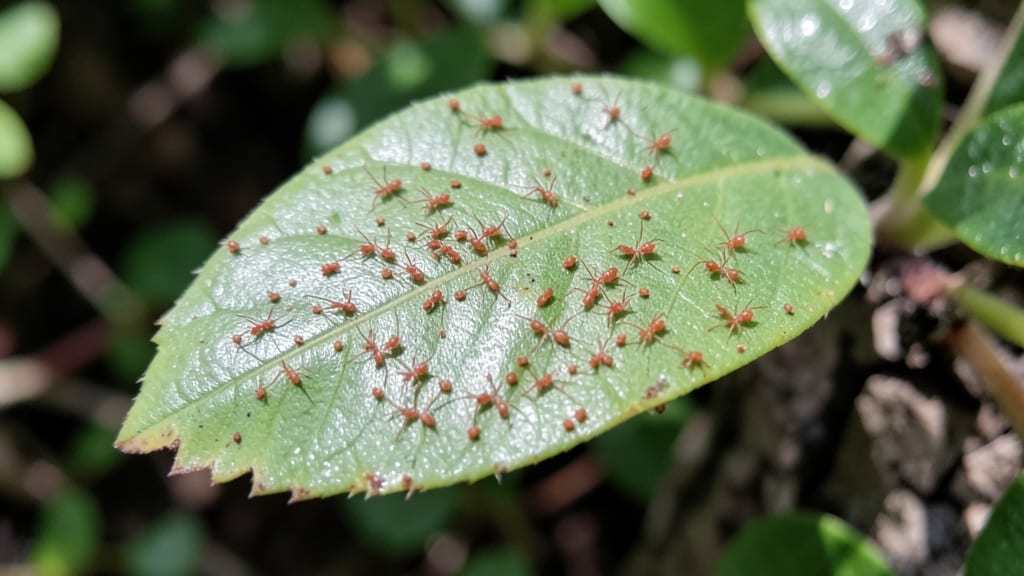
Spider mites on shrubs can turn vibrant green leaves into dusty skeletons in just a few weeks—if you don’t act fast. I’ve watched my boxwoods go from lush to lifeless when these tiny pests take over, and I’ll admit it: the first time it happened, I panicked.
But once I learned the right organic sprays and timing, I got them under control in under a week without harsh chemicals.
The key is catching them early—look for fine webbing on undersides of leaves or tiny yellow specks where mites suck the sap. Neem oil and insecticidal soap are my go-to sprays because they work quickly (within 24-48 hours) and won’t harm beneficial insects like ladybugs.
For severe cases, I mix horticultural oil with water for extra coverage, especially on dense shrubs like roses or yews.
You’ll see improvement within days: new growth will emerge bright green, and the webbing will disappear. The best part? These solutions prevent future outbreaks if you apply them every 2-3 weeks during hot, dry seasons.
My shrubs now stay healthy all summer long, and I’ve even saved my prized hydrangeas from becoming mite buffets.
If your shrubs are severely damaged or mites keep coming back, it might be time to call in a pro—especially if you’re dealing with large landscapes. But for most home gardens, these organic sprays are all you need for fast, chemical-free relief.
Root Causes Of Shrub Infestations
Spider mites don’t just appear out of nowhere—they’re drawn to specific conditions that make your shrubs a perfect buffet. Understanding these triggers is the first step to stopping them before they spin their webs and suck the life out of your plants.
Let’s break down the real reasons these tiny pests target your shrubs, so you can fix the problem at its source.
Spider mites thrive in hot, dry environments—think summer afternoons where the air feels like a sauna. These arachnids are not insects; they’re more like tiny, eight-legged vampires that desiccate their hosts by draining moisture and leaving behind a dusty, stippled mess on leaves.
- Why it happens: When temperatures rise above 85°F (29°C), spider mites become hyperactive. Their metabolism speeds up, and they reproduce faster than you can say “pesticide.” Dry air also weakens shrubs, making them easier prey.
- Science behind it: Spider mites lack a waxy cuticle like insects, so they lose water rapidly in dry conditions. To survive, they burrow into plant tissues and feed on sap, which is why you’ll see yellowing, curled leaves—their first sign of distress.
- Actionable fix:
- 💡 Increase humidity around shrubs with mulch or a light misting in the early morning (avoid evening watering to prevent fungal issues).
- 🌡️ Shade cloth (30-50% coverage) can lower leaf temperatures by 10-15°F during peak heat.
- ✨ Drought-tolerant shrubs (like Cotoneaster or Abelia) handle heat better but still need deep, infrequent watering to encourage root growth.
Spider mites are opportunistic predators—they don’t waste energy attacking healthy, thriving shrubs. Instead, they zero in on plants that are already weakened by stress, whether from poor spacing, nutrient deficiencies, or disease.
- Why it happens:
- Poor airflow from overcrowded shrubs creates microclimates where humidity spikes and mites multiply unchecked.
- Nutrient deficiencies (especially nitrogen or phosphorus) make leaves thinner and more palatable to mites.
- Root damage from compacted soil or overwatering starves the plant, forcing it to shut down defenses like resin or trichomes (tiny hair-like structures that repel pests).
- Science behind it: Stressed plants produce more sugars in their sap as a survival mechanism, which attracts spider mites like a neon sign. Additionally, reduced chlorophyll (from lack of nutrients) makes leaves less tough, making them easier to pierce.
- Actionable fix:
- 🔪 Prune aggressively to improve airflow—aim for 1/3 of the plant’s volume removed to open up the canopy.
- 💪 Fertilize with balanced organic options (like fish emulsion or compost tea) to boost plant resilience.
- 🌱 Test soil pH—most shrubs prefer 6.0-7.0. Adjust with lime (to raise pH) or sulfur (to lower it) if needed.
In a healthy garden ecosystem, spider mites are kept in check by natural predators like ladybugs, lacewings, and predatory mites. But when these allies disappear—due to broad-spectrum pesticides or monoculture landscaping—mites take over like an unchecked population explosion.
- Why it happens:
- Pesticide overuse wipes out beneficial insects faster than mites, creating a vacuum effect where mites have no competition.
- Lack of biodiversity in your landscape means fewer alternative food sources for predators, forcing them to seek greener pastures (literally).
- Seasonal die-offs of predators (e.g., ladybugs overwintering) can leave shrubs vulnerable in early spring.
- Science behind it: Spider mites reproduce exponentially—a single female can lay 200 eggs in her lifetime. Without predators, their populations can double every 3-4 days under ideal conditions. Meanwhile, beneficial insects often take 2-3 weeks to mature, giving mites a head start.
- Actionable fix:
- 🐞 Introduce predator-friendly plants like dill, fennel, or cosmos to attract ladybugs and lacewings.
- ✨ Avoid synthetic pesticides—opt for neem oil or insecticidal soap (which kill mites but spare predators).
- 🌿 Create “bug hotels” with hollow stems, bark, and pine cones to shelter beneficial insects year-round.
Next up: We’ll dive into the visible signs that spider mites have moved in—and how to confirm the infestation before it’s too late.
Quick Fixes for Tiny Webbed Invaders
Spider mites may be small, but their damage adds up fast—especially on shrubs where they thrive in hidden crevices. The good news? You don’t need harsh chemicals to kick them out.
Below, we’ll tackle the most common causes of spider mite outbreaks and match them with easy, organic solutions that work. Plus, we’ll share prevention tips to keep your shrubs mite-free long-term.
Spider mites love weak plants. If your shrubs are struggling from drought, poor soil, or over-fertilization, they’ll move in like uninvited guests.
How to Fix It:
- 💧 Hydrate deeply – Water shrubs at the base (not the leaves) in the early morning to reduce humidity on foliage. Aim for 1–1.5 inches of water per week, including rainfall.
- 🌱 Feed the roots – Use a balanced organic fertilizer (like fish emulsion or compost tea) to strengthen growth. Avoid nitrogen-heavy fertilizers, which attract pests.
- 🌿 Prune for airflow – Trim back dense branches to improve circulation. Mites hide in tight spots, so open up your shrub like a breath of fresh air.
💡 Pro Tip: Mulch with straw or wood chips to retain moisture and deter mites naturally.
Spider mites hate moisture—they dry out fast when leaves are wet. If your shrubs are dusty or parched, mites will multiply unchecked.
How to Fix It:
- 👨🍳 DIY neem oil spray – Mix 1 tbsp neem oil + 1 tsp mild soap + 1 quart water. Spray both sides of leaves (mites hide underneath!) at dusk to avoid burning foliage.
- 🥘 Water blast method – Use a hose with a gentle spray nozzle to rinse mites off. Do this every 3–4 days until they’re gone.
- 🌡️ Increase humidity – Place a shallow tray of water near shrubs or mist leaves lightly (avoid soggy soil).
⚠️ Warning: Test sprays on a small leaf first—some shrubs (like boxwoods) are sensitive to neem oil.
If you see fine webbing or tiny yellow specks on leaves, mites have already set up camp. Time for direct action!
How to Fix It:
- 🔪 Predatory insects to the rescue – Release lacewings, ladybugs, or predatory mites (available online). They eat spider mites and won’t harm your plants.
- 🍋 Vinegar & soap spray – Mix 1 cup white vinegar + 1 tsp dish soap + 1 gallon water. Spray directly on mites (avoid flowers if pollinators are around).
- 🌿 Kaolin clay barrier – Dust leaves with kaolin clay (like Surround WP). It repels mites and reflects sunlight, confusing them.
🎯 Best for severe cases: Rotate sprays every 5–7 days to prevent resistance.
Once you’ve evicted the mites, lock the door with these habits:
- 🌿 Inspect new plants – Quarantine new shrubs for 2 weeks before adding them to your garden. - 🕵️ Weekly leaf checks – Run your fingers over leaves—mites feel like tiny sandpaper.
Act fast if you find them! - 🍂 Clean up debris – Remove fallen leaves and weeds where mites hide over winter. - 🌡️ Avoid overwatering – Soggy soil attracts fungus gnats, which attract mites as a food source.
Final Thought: Spider mites may be persistent, but with consistent care, you can outsmart them—without chemicals. Start with one fix (like neem oil or predatory insects), then build a long-term prevention plan. Your shrubs will thank you with lush, mite-free foliage in no time!
Frequently asked questions
How do I know if my shrubs have spider mites instead of just dryness?
Look for tiny yellow stipples on leaves (like pepper damage) and fine webbing between branches. Run your finger over a leaf—mites feel like grainy sandpaper. Unlike drought stress, mite damage appears on both leaf surfaces and spreads rapidly in hot weather.
Will neem oil harm my shrubs if I use it too often?
Neem oil is safe when used correctly, but apply it every 5-7 days max during outbreaks. Always mix with 1 tsp mild soap (like Castile) to help it stick. Test on a small leaf first—some shrubs like boxwoods are sensitive. Stop using if you see leaf burn or yellowing.
Can I use dish soap alone to kill spider mites?
Yes, but dilute it properly! Mix 1 tablespoon mild dish soap (like Dawn) with 1 quart water and spray both sides of leaves. Repeat every 3-4 days until mites disappear. Avoid harsh soaps—they can damage plant tissues. For best results, combine with neem oil for faster action.
Why do spider mites keep coming back after I treat them?
Mites often return because their eggs survive treatments or nearby plants harbor hidden populations. To break the cycle:
- Treat all plants in the area,
- Introduce predatory insects (like ladybugs), and
- Fix environmental triggers (drought, poor airflow). Rotate treatments every 7-10 days to prevent resistance.
Are there any shrubs that spider mites avoid completely?
No shrub is completely immune, but rosemary, lavender, and Russian sage naturally repel mites due to their strong aromas. For other shrubs, focus on healthy growth (proper watering, pruning) and regular inspections. Drought-tolerant varieties like Abelia or Potentilla handle heat better but still need preventive care.