
Shrubs
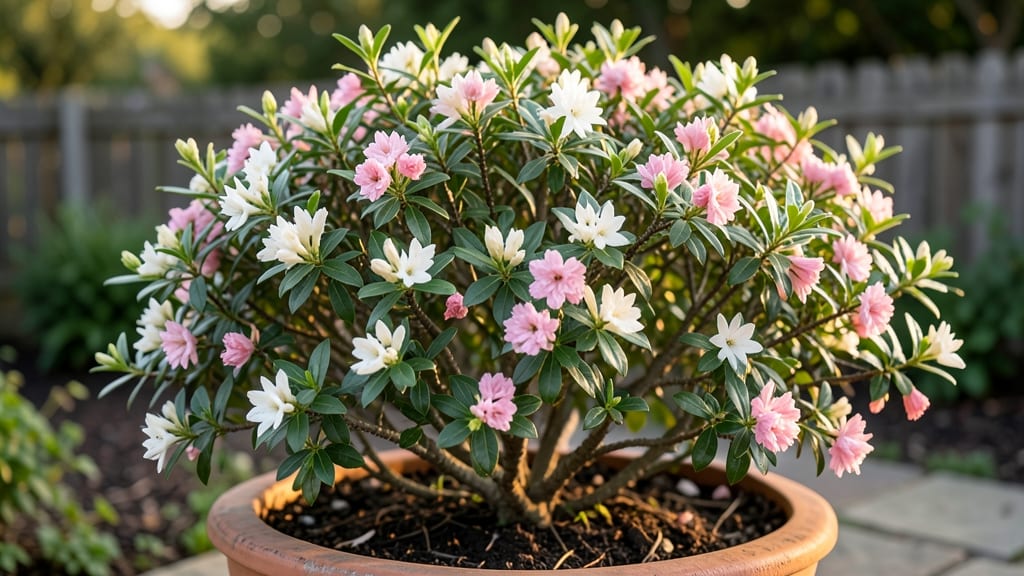
Your backyard could smell like a tropical vacation all year—jasmine flowering shrubs are the secret weapon for fragrant, low-maintenance beauty that keeps blooming even in winter. 🌿 I’ve grown both star jasmine and common jasmine, and the difference isn’t just in the flowers: one thrives in heat, the other in shade, and both transform a dull fence or trellis into a fragrant paradise.
The key to success starts with the right spot: 6+ hours of sunlight for common jasmine, but partial shade works for star jasmine in hot climates. Amend heavy clay soil with compost—jasmine roots love well-draining, slightly acidic conditions (pH 6.0-7.0).
Water deeply once a week unless it rains, but never let them sit in soggy soil—they’re tough but not waterlogged.
Pruning in late winter or early spring keeps them bushy and flowering. Snip back overgrown branches by ⅓ of their length, and you’ll trigger a burst of new growth by summer. The payoff?
Clusters of intoxicating blooms from late spring through fall, with some varieties even flowering lightly in winter. My star jasmine still releases its sweet scent on cool evenings when other plants have gone dormant.
Watch for aphids and spider mites—they love jasmine too. A strong spray of water usually clears them, but neem oil works if they persist. With the right care, these shrubs live 20+ years, rewarding you with fragrance and beauty for decades.
Ready to turn your yard into a sensory escape?
📚 In This Guide
- What you need
- Instructions
- Tips and common mistakes
- Wrapping up and next steps
What you need
- ● Jasmine shrub: 1–3 nursery-grown plants (e.g., Jasminum officinale, Jasminum sambac, or Jasminum polyanthum)
- ● OR seeds (if starting from scratch—note: slower growth!)
- ● Soil: Well-draining potting mix (5–10 gallons) (for containers)
- ● Native soil amended with compost (1–2 bags) (for in-ground planting)
- ● Tools: Garden trowel or spade
- ● Pruning shears (sterilized)
- ○ Gloves (optional but recommended)
- ● Measuring tape or ruler (for spacing)
- ● Support structures: Trellis, arbor, or fence (for climbing varieties)
- ● Stakes or cages (for bushier types like Jasminum sambac)
- ● Slow-release fertilizer (balanced 10-10-10 or rose-specific)
- ● Mulch (2–3 inches of pine bark or shredded leaves)
- ● Drip irrigation system or hose with spray nozzle
- ● Organic pest control (neem oil, insecticidal soap)
- ● Decorative lights or solar-powered clips (for nighttime fragrance display!)
Step-by-Step instructions for planting and cultivating a jasmine flowering shrub
Here’s my foolproof method for establishing a fragrant jasmine shrub that thrives year after year.
🌱 Step 1: Select the Right Location and Prepare the Soil
Jasmine craves full sun to partial shade—at least 6 hours of direct sunlight daily—but tolerates afternoon shade in hot climates. I always plant mine where the morning sun warms the leaves but afternoon breezes cool them. The soil should drain well but retain moisture; jasmine roots rot easily in soggy conditions.
Amend heavy clay soil with 2-3 inches of compost mixed into the top 12 inches of soil. Jasmine thrives in slightly acidic to neutral soil (pH 6.0-7.0). Dig a hole twice as wide as the root ball but only as deep—planting too deep suffocates the roots. Loosen the sides of the hole to encourage root spread.
🪴 Step 2: Plant the Shrub and Water Deeply
Remove the jasmine from its container and gently tease the roots apart if they’re circling. Place the root ball in the hole so the top sits 1 inch above ground level—this prevents water from pooling at the stem. Backfill with native soil, tamping lightly to eliminate air pockets.
Water immediately after planting 1 gallon per foot of shrub height (so 4 gallons total for a 4-foot shrub). Mulch the base with 2-3 inches of organic mulch, keeping it 6 inches away from the stem to prevent rot. The mulch should look dark and slightly damp—not wet or clumpy.
☀️ Step 3: Prune for Shape and Encourage Blooms
Prune jasmine in early spring (just before new growth starts) to shape the shrub and remove dead or crossing branches. Cut back overgrown stems by one-third to encourage bushier growth. Always prune just above a leaf node or outward-facing bud—this ensures new growth fills in gaps.
Deadhead spent blooms regularly to redirect the plant’s energy into new flowers. I pinch off faded blooms with my fingers rather than cutting; it’s faster and less traumatic for the plant. If your jasmine isn’t flowering, it may need more sun—move it to a sunnier spot or trim nearby trees blocking light.
💧 Step 4: Water and Fertilize for Year-Round Blooms
Water deeply once a week during the first growing season, letting the soil dry out slightly between waterings. Mature jasmine is drought-tolerant but blooms best with consistent moisture—1-2 inches of water weekly in dry climates. You’ll know it’s thirsty when the leaves curl slightly at the edges.
Fertilize lightly in early spring with a balanced 10-10-10 fertilizer (follow package rates). Avoid high-nitrogen fertilizers—they promote leafy growth at the expense of flowers. I also top-dress with 1 inch of compost annually in late winter to feed the roots without burning the plant.
✂️ Step 5: Protect and Maintain Through Seasons
In winter, protect young jasmine from freezing temperatures with a light burlap wrap or mulch layer. Mature shrubs handle cold well but may need shelter in harsh climates. Watch for pests like spider mites or aphids—spray with neem oil if you spot webbing or sticky residue on leaves.
Every 3-4 years, give your jasmine a deep trim to rejuvenate growth. Cut back old canes by half to stimulate new, fragrant shoots. The best time to propagate new plants is in late spring—simply take 4-6 inch cuttings from healthy stems, dip in rooting hormone, and plant in moist sand.
Tips & tricks for perfect jasmine flowering shrub cultivation
Real talk: Growing fragrant jasmine isn't rocket science, but these details make all the difference between a struggling plant and a thriving, fragrant beauty.
Sunlight Strategy: The 6 hours of sunlight mentioned in Step 1 is non-negotiable for flowering. If your location gets intense afternoon sun, consider a light shade cloth during peak hours—this prevents leaf scorch while still allowing enough light for blooms. I've seen jasmine in full sun thrive, but in hot climates, that afternoon shade makes a world of difference for leaf health.
Soil Science: That 2-3 inches of compost in Step 1 isn't just filler—it's crucial for microbial activity that helps roots absorb nutrients. For heavy clay soils, mix in perlite or coarse sand to improve drainage while maintaining moisture retention. I always do a quick soil test before planting to confirm that pH 6.0-7.0 range; if your soil is too acidic, a handful of lime mixed into the planting hole works wonders.
Watering Wisdom: The 1 gallon per foot of height rule in Step 2 is perfect, but timing matters just as much. Water in the morning so leaves have all day to dry—this prevents fungal issues. I set a timer for my irrigation system to deliver that 1-2 inches weekly during dry spells, and I always check for curled leaf edges as a thirst signal. Overwatering is the #1 killer of jasmine shrubs, so let the top inch of soil dry between waterings.
Pruning Precision: That one-third pruning in Step 3 might seem aggressive, but it's what creates those lush, bushy canes we love. When you're cutting back, look for the outward-facing buds—these will grow away from the center, creating a fuller shape. I prune with sharp bypass pruners and immediately dip cuts in cinnamon powder to prevent disease. And yes, that early spring timing is critical—pruning too late in the season can stimulate new growth that won't harden off before winter.
Pro Tips for Jasmine Flowering Shrub
- Real talk: Growing fragrant jasmine isn't rocket science, but these details make all the difference between a struggling plant and a thriving, fragrant beauty.
- Sunlight Strategy: The 6 hours of sunlight mentioned in Step 1 is non-negotiable for flowering.
- Soil Science: That 2-3 inches of compost in Step 1 isn't just filler—it's crucial for microbial activity that helps roots absorb nutrients.
Frequently asked questions
Got questions about growing and caring for your jasmine flowering shrub? You’re not alone! Here are some of the most common queries—plus quick, practical answers to keep your fragrant beauty thriving.
When is the best time to plant a jasmine shrub?
Plant your jasmine in early spring or fall when temperatures are mild (50–70°F). This gives roots time to establish before extreme heat or cold. Avoid planting in summer—jasmine hates transplant shock in scorching weather! If you’re in a warm climate, fall planting is ideal to beat summer drought.
How long does it take for jasmine to flower after planting?
Patience is key! Most jasmine varieties take 1–3 years to bloom after planting, depending on the type and growing conditions. Star jasmine (Trachelospermum jasminoides) often flowers faster (1–2 years), while Arabian jasmine (Jasminum sambac) may take longer. Prune lightly in early spring to encourage bushier growth and earlier blooms.
Why isn’t my jasmine flowering this year?
No blooms? Don’t panic—common culprits include:
- Too much nitrogen: Fertilizers high in nitrogen promote leafy growth but skip flowers. Switch to a balanced or phosphorus-rich fertilizer (like 10-10-10) in early spring.
- Overpruning: Prune after flowering (late spring/early summer) to avoid cutting off next year’s buds.
- Stress factors: Check for pests (aphids, spider mites), poor drainage, or inconsistent watering.
Can I grow jasmine in a container? How do I care for it?
Dwarf varieties like Trachelospermum jasminoides ‘Little Gem’ thrive in containers. Use a well-draining pot (18"+ diameter) with a mix of potting soil and perlite. Water when the top inch of soil is dry, and fertilize monthly during growing season. Move containers indoors in winter if temps drop below 20°F—jasmine is tender!
Are jasmine shrubs deer-resistant? What about pests?
Jasmine is moderately deer-resistant—deer may nibble if other food is scarce, but they usually avoid it. For pests:
- Aphids/spider mites: Spray with water or use neem oil.
- Whiteflies: Introduce ladybugs or apply insecticidal soap.
- Scale insects: Scrape off manually or use horticultural oil.
What’s a good alternative if I want a fragrant shrub but jasmine is tricky?
If jasmine seems high-maintenance, try these low-fuss, fragrant shrubs:
- Gardenia: Creamy white blooms, loves shade, and thrives in humidity.
- Mock Orange (Philadelphus): Highly fragrant, drought-tolerant once established.
- Daphne: Compact, intensely fragrant, but needs well-draining soil.
- Abelia: Blooms summer to fall, tolerates partial shade.
Wrapping up and next steps
Growing a jasmine flowering shrub is a rewarding way to fill your garden with intoxicating fragrance and year-round beauty! 🌸 Whether you’re a seasoned gardener or just starting out, these fragrant canes thrive with the right care—sunlight, well-draining soil, and a little patience.
Now that you’re armed with tips on planting, pruning, and troubleshooting, why not take the next step?
💡 Ready to plant? Pick a sunny spot, gather your supplies, and watch your garden transform into a fragrant paradise. Happy growing—your nose (and your neighbors!) will thank you! 🌿