
Succulent
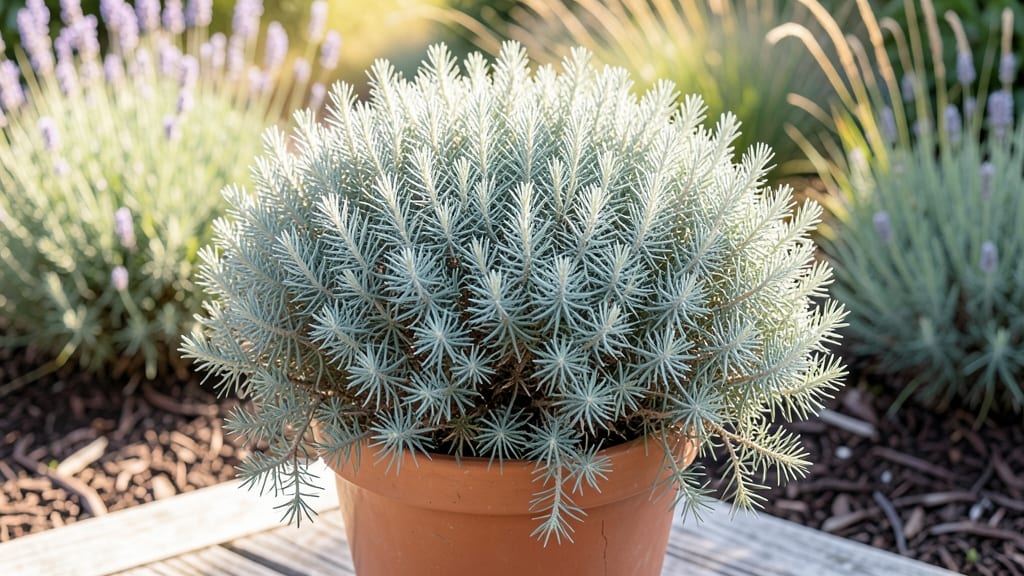
Blue Point juniper delivers year-round interest with its silvery-blue needles and piney scent that lingers even in winter. 🌲 I’ve grown this shrub for five seasons, and it’s become my go-to for low-maintenance, drought-proof beauty—it thrives where other plants struggle, from rocky slopes to urban courtyards.
This cold-hardy evergreen (zones 3-9) matures at 3-5 feet tall with a spread of 3-4 feet, making it perfect for hedges, erosion control, or as a striking focal point.
Its needle-like foliage stays vibrant all year, and it handles drought, poor soil, and salt spray like a champ—ideal for coastal gardens or dry climates.
Plant it in full sun with well-draining soil, water lightly until established, then let it fend for itself. Prune lightly in early spring if needed, but resist heavy trimming—its natural shape is part of its charm. The fragrance alone makes it worth growing!
Use it as a privacy screen, windbreak, or container plant—its versatility is unmatched. Just watch for spider mites (spray with water to deter) and avoid soggy soil to prevent root rot. Once planted, it’s basically maintenance-free.
📚 In This Guide
- What you need
- Instructions
- Tips and common mistakes
- Wrapping up and next steps
What you need
- ● Juniper Blue Point shrub: 1–3 nursery-grown plants (3–5 ft tall, mature size) or
- ● Seeds (if starting from scratch—germination can be slow, so patience is key!)
- ● Well-draining soil: Mix 60% native soil, 30% coarse sand or perlite, and 10% compost (for optimal aeration).
- ● Planting site: Full sun (6+ hours/day) or partial shade (morning sun, afternoon shade in hot climates).
- ● Slope or raised bed (if drainage is poor).
- ● Mulch: 2–3 inches of gravel, pine straw, or bark chips (keeps roots cool and reduces weeds).
- ● Watering can or hose with gentle nozzle (avoid overhead sprinklers).
- ● Must-have tools: Trowel or small shovel (for digging holes).
- ● Garden gloves (to protect hands from prickly branches).
- ● Measuring tape or ruler (to space plants 3–5 ft apart).
- ○ Optional (but helpful): Pruning shears (for shaping or trimming).
- ● Soil pH test kit (ideal range: 6.0–7.5).
- ● Fertilizer: Slow-release, low-nitrogen granular fertilizer (apply once in early spring).
- ● Check your USDA Hardiness Zone (Blue Point thrives in Zones 3–9—cold-hardy down to -40°F/-40°C!).
- ● Wait until spring or early fall to plant (avoid extreme heat or frost).
- ● Test soil drainage: Dig a hole, fill it with water, and check if it drains within 1 hour. If not, amend with sand.
Step-by-step guide to planting and caring for juniper Blue Point shrubs
This hardy evergreen thrives with minimal fuss—here’s how to plant and nurture it for years of silvery-blue foliage and fresh pine scent.
🪴 Step 1: Choose the Perfect Planting Location
Juniper Blue Point loves full sun—select a spot receiving at least 6 hours of direct sunlight daily. It tolerates partial shade but loses its vibrant blue hue and may grow leggy. I always test the site first by observing how much sunlight it gets over a week; morning sun with afternoon shade works best in hot climates.
Check soil drainage by digging a 12-inch hole—if water pools after 30 minutes, amend with 2-3 inches of coarse sand or gravel. These shrubs despise soggy roots, which leads to root rot. Sandy or rocky soils suit them best, but they adapt to loamy soil if well-drained.
🌱 Step 2: Plant at the Right Depth and Spacing
Dig a hole twice as wide as the root ball but no deeper—Juniper Blue Point thrives when planted at the same depth it grew in the nursery. Gently loosen the roots if they’re circling tightly, then place the shrub in the center. The top of the root ball should sit 1 inch below soil level to prevent crown rot.
Space plants 3-4 feet apart for a dense hedge or 6-8 feet apart if using as a specimen. I always backfill with the native soil, tamping lightly to eliminate air pockets. Avoid compacting too firmly—roots need room to spread. Water deeply to settle the soil around the roots.
☀️ Step 3: Water and Mulch for First-Year Establishment
Water newly planted Blue Point juniper once a week for the first month, then taper to every 2-3 weeks once established. You’ll know it’s getting enough water when the soil 1 inch below the surface feels dry. Overwatering is the biggest mistake—these shrubs are drought-tolerant once rooted.
Apply 2-3 inches of mulch around the base, keeping it 3 inches away from the trunk to prevent rot. I use pine bark or gravel because it mimics their natural habitat and suppresses weeds. Mulch also helps regulate soil temperature, protecting roots in winter.
✂️ Step 4: Prune for Shape and Health
Prune Blue Point juniper in late winter or early spring before new growth begins. Use clean, sharp pruners to remove dead or crossing branches at the base. Never cut into old wood—these shrubs don’t regenerate well from severe pruning. I shape mine lightly each year to maintain a natural, rounded form.
For hedges, prune twice a year: once after flowering and again in mid-summer. Cut back 1/3 of the new growth to encourage bushiness. Avoid heavy pruning—this juniper responds best to gradual shaping. If you see brown, brittle branches, prune them immediately to prevent disease spread.
🌿 Step 5: Maintain Year-Round for Long-Term Success
Fertilize lightly in early spring with a balanced, slow-release fertilizer (10-10-10) if your soil is poor. Juniper Blue Point rarely needs feeding—too much fertilizer encourages weak growth. I skip fertilizer entirely in nutrient-rich soils and only add compost occasionally.
Monitor for pests like spider mites or bagworms, which can stress the shrub. Spray with horticultural oil if needed, but these junipers usually handle pests well. In winter, a 2-3 inch layer of mulch protects roots from freeze-thaw cycles. With proper care, your Blue Point juniper will stay vibrant for decades.
Tips & tricks for perfect juniper Blue Point shrub planting
Between us—these juniper shrubs are practically foolproof, but a few key details make all the difference between a thriving blue beauty and a struggling survivor. Here's what I've learned after watching dozens of these plants transform gardens.
Sunlight Secret: That 6 hours of daily sun is non-negotiable for the vibrant blue color. I've seen plants in partial shade turn a dull green—it's like watching their personality fade. If your location only gets morning sun, consider supplementing with a grow light during winter months when days are shorter.
Drainage Defense: The 30-minute drainage test is your best friend. I've had clients call me in panic after their juniper leaves turned yellow—always a sign of root rot. If your soil doesn't drain naturally, mix in 2-3 inches of coarse sand around the planting hole. This creates a natural drainage layer that mimics their native rocky soils.
Planting Precision: That 1 inch below soil level positioning is critical—it prevents crown rot while keeping the roots properly anchored. I use a level to ensure perfect placement, especially when working with multiple plants. Pro tip: Mark the root ball depth with a pencil before removing the plant from its container to avoid guessing.
Mulch Mastery: The 2-3 inches of mulch should be your winter ally. I've seen plants survive harsh winters with just this simple protection. Keep it 3 inches away from the trunk to prevent moisture buildup that leads to rot. Pine bark mulch releases nutrients slowly, giving your juniper a steady diet without overfeeding.
Pro Tips for Juniper Blue Point Shrub
- Between us—these juniper shrubs are practically foolproof, but a few key details make all the difference between a thriving blue beauty and a struggling survivor.
- Sunlight Secret: That 6 hours of daily sun is non-negotiable for the vibrant blue color.
- Drainage Defense: The 30-minute drainage test is your best friend.
Frequently asked questions
Got questions about the stunning Juniper Blue Point shrub? You’re not alone! Here are some of the most common queries—and their answers—to help you grow this cold-hardy beauty with confidence.
How cold can Juniper Blue Point tolerate?
The Juniper Blue Point is a true cold warrior, thriving in USDA zones 3-8. It handles winter temps down to -30°F (-34°C) without flinching. Just ensure it’s planted in well-draining soil to prevent root rot in heavy frost. Pro tip: A light mulch layer (2-3 inches) adds extra insulation!
When is the best time to prune Juniper Blue Point?
Prune in late winter or early spring (before new growth starts) to shape the shrub or remove dead branches. Avoid heavy pruning in fall—it stresses the plant before winter. For a cleaner look, use sharp pruners and sterilize them with rubbing alcohol to prevent disease. Pro tip: Never cut more than 1/3 of the plant at once!
What pests or diseases should I watch for?
This juniper is highly resistant to pests, but spider mites or bagworms might appear in drought conditions. Treat with neem oil or insecticidal soap if needed. Diseases like root rot or canker can occur with poor drainage or wounds. Prevent it: Space plants for airflow and avoid overwatering.
Can I grow Juniper Blue Point in containers?
This shrub adapts well to containers with at least 12-inch-deep pots and fast-draining mix (like cactus soil + perlite). Choose a pot with drainage holes and place it in full sun. Repot every 2-3 years to refresh the soil. Bonus: Container juniper adds year-round color to patios!
What’s a good alternative if I want a similar look?
If you love the Juniper Blue Point’s silvery-blue hue but need a different variety, try:
- Juniper ‘Blue Rug’ – Compact, ground-cover friendly (great for borders).
- Juniper ‘Sargentii’ – Upright growth with soft blue needles.
- Creeping Thyme – Fragrant alternative for sunny, drought-tolerant gardens.
Wrapping up and next steps
The Juniper Blue Point shrub is a stunning, low-maintenance addition to any garden, offering year-round beauty, fragrant foliage, and remarkable cold hardiness. Whether you're a seasoned gardener or just starting, its resilience and striking blue-green hues make it a dream plant for adding texture and color to your outdoor space.
Ready to bring this fragrant, evergreen marvel into your landscape? Start by selecting a sunny spot, gathering the right tools, and following the simple steps to plant and care for it. Your garden will thank you! 🌿✨