
Shrubs
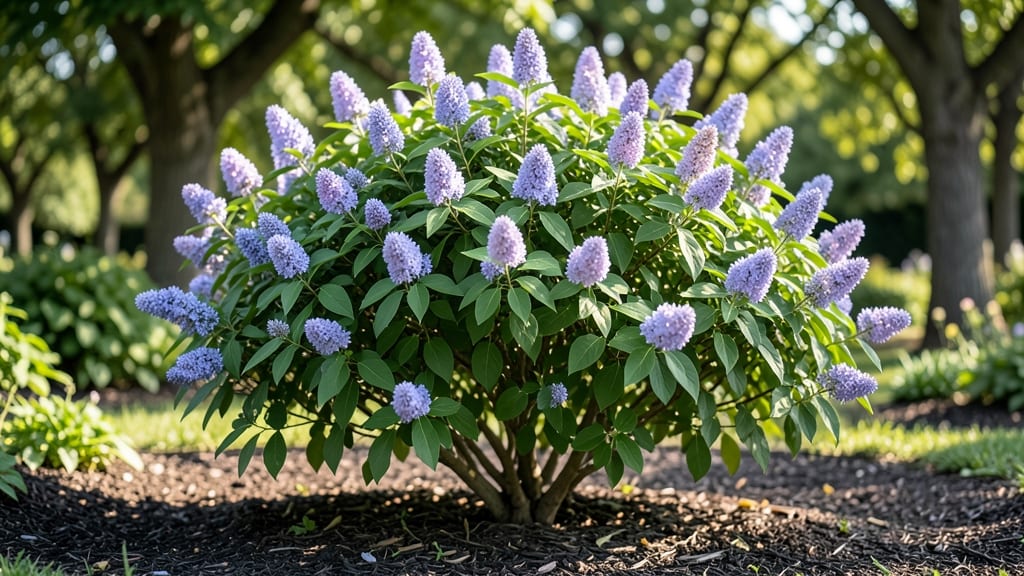
The Korean lilac shrub's intoxicating fragrance transforms any yard into a springtime sanctuary. 🌸 I've grown these cold-hardy beauties for years, and the secret to their lush, fragrant canopy starts with the right transplanting technique—one that ensures they thrive from day one.
These shrubs love full sun and well-draining soil, but their real magic happens when you plant them in early spring or fall, giving roots time to establish before extreme weather.
A simple soil mix of 60% native soil and 40% compost works wonders, and mulching helps retain moisture while keeping roots cool. By mid-summer, you'll be rewarded with clusters of fragrant white blooms that perfume the air for weeks.
The shrubs grow 3-6 feet tall, making them perfect for hedges, borders, or as a standalone specimen that draws pollinators and neighbors alike. Pruning after blooming keeps them compact and encourages even more flowers next season. Here's how to get started with these resilient, fragrant shrubs!
📚 In This Guide
- What you need
- Instructions
- Tips and common mistakes
- Wrapping up and next steps
What you need
- ● Korean Lilac shrub: 1–3 nursery-grown plants (3–5 ft tall, 3–5 gal pots) OR
- ● Seeds (if starting from scratch—germination is slow!)
- ● Planting site: Full sun to partial shade (6+ hours of sunlight daily)
- ● Well-draining soil (amend with compost if heavy clay)
- ● Space: 6–10 ft apart (allows for mature spread)
- ○ Soil amendments (optional but helpful): 1–2 lbs of organic compost per planting hole
- ● Slow-release balanced fertilizer (10-10-10) (1 tbsp per hole)
- ● Digging tools: Garden trowel (for small holes)
- ● Shovel or spade (for larger transplants)
- ● Pruning tools: Bypass pruners (for shaping)
- ● Loppers (for thicker branches)
- ● Watering supplies: Garden hose with adjustable nozzle OR watering can
- ● Mulch (2–3 inches of shredded bark or pine needles)
- ○ Safety gear (optional): Garden gloves (to protect from thorns)
- ● Knee pads (for comfort)
- ● ✅ Best planting time: Early spring or fall (avoid extreme heat/cold)
- ● ✅ Cold-hardy zone: USDA Zones 3–8 (perfect for frost-tolerant gardens!)
- ● ✅ Patience: Korean Lilacs take 2–3 years to flower fully from seeds!
- ● ✅ Disease prevention: Ensure no nearby plants show signs of fungal issues (e.g., powdery mildew).
Step-by-step instructions for planting and establishing Korean Lilac shrubs
Here’s how to give your fragrant Korean lilacs the perfect start—so they thrive for decades.
🪴 Step 1: Choose the Right Planting Site and Prepare the Soil
Korean lilacs (Syringa meyeri) love full sun—at least 6 hours daily—but tolerate light shade if summers are scorching. I always pick a spot with afternoon shade in hot climates to prevent leaf scorch. The soil should drain well but hold moisture; amending heavy clay with 3-4 inches of compost improves aeration.
Dig a hole twice as wide as the root ball but only as deep. This encourages roots to spread horizontally rather than settling too low. Loosen the sides of the hole with a shovel—this prevents soil compaction around the roots. If your soil is sandy, mix in a 5-gallon bucket of organic matter to retain moisture.
🌱 Step 2: Handle the Root Ball and Plant Correctly
Remove the shrub from its container and gently tease apart any circling roots with your fingers. Submerge the root ball in a bucket of lukewarm water for 10-15 minutes to hydrate it before planting—this reduces transplant shock. Place the shrub in the hole so the top of the root ball sits 1 inch above soil level. Korean lilacs hate having their crown buried.
Backfill with the native soil, tamping lightly every 2 inches to eliminate air pockets. Water deeply right after planting to settle the soil and eliminate gaps. You’ll know it’s right when the soil surface looks slightly compacted but not hardened.
☀️ Step 3: Mulch and Water for the First Critical Month
Spread 2-3 inches of mulch (wood chips or shredded bark) over the root zone, keeping it 3 inches away from the trunk to prevent rot. This retains moisture and regulates soil temperature. Water deeply once a week for the first month, ensuring the soil stays evenly moist but not soggy. You’ll see new growth in 4-6 weeks—that’s your sign the roots are established.
I avoid overhead watering after planting; instead, I use a soaker hose to deliver moisture directly to the roots. This prevents fungal issues that can rot tender new growth. If your area gets heavy rain, check for standing water—Korean lilacs despise wet feet.
✂️ Step 4: Prune for Shape and Encourage Fullness
Wait until spring (after flowering) to prune. Remove any dead or crossing branches first, then shape the shrub by cutting back one-third of the oldest stems to encourage new growth. Korean lilacs bloom on new wood, so pruning in late winter or early spring won’t sacrifice flowers. Use clean, sharp pruners to make cuts just above a bud or branch collar.
Here’s the thing—Korean lilacs grow 3-5 feet tall but stay compact. If yours gets leggy, prune back one-third of the tallest stems in early summer to promote bushiness. You’ll notice denser foliage and more fragrant blooms the following year.
⏰ Step 5: Maintain Through Seasons for Long-Term Health
Fertilize once in early spring with a balanced 10-10-10 formula (follow package rates). Korean lilacs aren’t heavy feeders, but a little boost encourages vigorous growth. Water deeply every 2 weeks during dry spells, but let the top 2 inches of soil dry out between waterings to prevent root rot.
In winter, protect young shrubs (under 3 years old) with a 2-inch layer of mulch to insulate roots. Mature plants handle cold well but may need extra protection in Zone 5 or colder. You’ll know your lilacs are happy when they produce abundant, fragrant blooms by mid-spring—proof they’re thriving.
Tips & tricks for perfect Korean Lilac shrub planting
These simple tricks will help your Korean lilacs take root and thrive for years to come.
Soil Prep Secret: Before amending with compost, do a simple soil test by squeezing a handful of your native soil. If it crumbles easily, you likely have good drainage. If it forms a tight ball, you definitely need that 3-4 inches of compost to improve aeration. For clay-heavy soils, mix in a 5-gallon bucket of organic matter—this creates the perfect balance between moisture retention and drainage that Korean lilacs love.
Root Ball Hydration: That 10-15 minute soak in lukewarm water is non-negotiable! I've seen too many transplants fail because people skip this step. The water should be warm enough to feel comfortable to your hand—think bathwater temperature. This pre-hydration prevents transplant shock and helps the roots establish faster. Pro tip: Use a bucket with drainage holes to avoid over-soaking the roots.
Planting Depth Visual: When placing your lilac in the hole, imagine the top of the root ball should sit at the same level as it did in the nursery pot. If you bury it too deep, the crown will rot. If it sits too high, roots won't establish properly. A good trick is to draw a line on your shovel at the root ball's original soil level—this gives you a perfect reference point.
Watering Wisdom: That first month is critical! Water deeply once a week means actually wetting the soil to 6-8 inches deep. Use your finger to check—if the soil feels dry at 2 inches, it's time to water. The goal is to encourage deep root growth, not just surface moisture. For extra insurance, I like to water in the morning so any excess moisture evaporates before evening, reducing fungal risks.
Pro Tips for Korean Lilac Shrub
- These simple tricks will help your Korean lilacs take root and thrive for years to come.
- Soil Prep Secret: Before amending with compost, do a simple soil test by squeezing a handful of your native soil.
- Root Ball Hydration: That 10-15 minute soak in lukewarm water is non-negotiable!
Frequently asked questions
Got questions about growing and caring for your Korean Lilac shrub? You’re not alone!
Here are answers to the most common queries to help you nurture a thriving, fragrant garden centerpiece.
How fast does a Korean Lilac shrub grow, and how big will it get?
A Korean Lilac (Syringa meyeri) grows at a moderate pace—about 12–24 inches per year under ideal conditions. Mature shrubs typically reach 6–10 feet tall and wide, making them perfect for hedges, privacy screens, or focal points. Prune annually in late winter to control size and shape!
When is the best time to plant or transplant a Korean Lilac?
The ideal window is early spring or fall (4–6 weeks before frost). Avoid transplanting in summer heat or winter cold, as roots struggle to establish. If planting in spring, water deeply weekly until roots settle (usually 6–8 weeks
Purple foliage is common in cooler weather but fades in heat or poor drainage. Troubleshoot with:
Yes! This shrub thrives in USDA Zones 3–8 and tolerates down to -30°F. For extra care in harsh winters:
If you love the Korean Lilac’s scent but want variety, try:
Why aren’t my Korean Lilac leaves turning purple, and how can I fix it?
If yellowing appears, check for overwatering or root rot.
Is a Korean Lilac cold-hardy, and how do I protect it in winter?
No need for fancy protection—just basic winter prep!
What are some fragrant alternatives to Korean Lilac if I want a similar look?
All are low-maintenance and cold-hardy!
Wrapping up and next steps
Growing a Korean Lilac shrub is a rewarding way to bring fragrant beauty and cold-hardy resilience to your garden! With the right soil, sunlight, and care, these stunning shrubs thrive while offering year-round interest—from delicate blooms to striking foliage.
Whether you’re a seasoned gardener or just starting, their low-maintenance nature makes them a perfect addition to any landscape.
Ready to transform your outdoor space? Start by selecting the perfect spot—one with well-draining soil and partial shade—and follow the transplanting tips shared above. Soon, you’ll be enjoying the sweet, intoxicating scent of Korean Lilacs in full bloom! 🌸✨