
Companion Plants
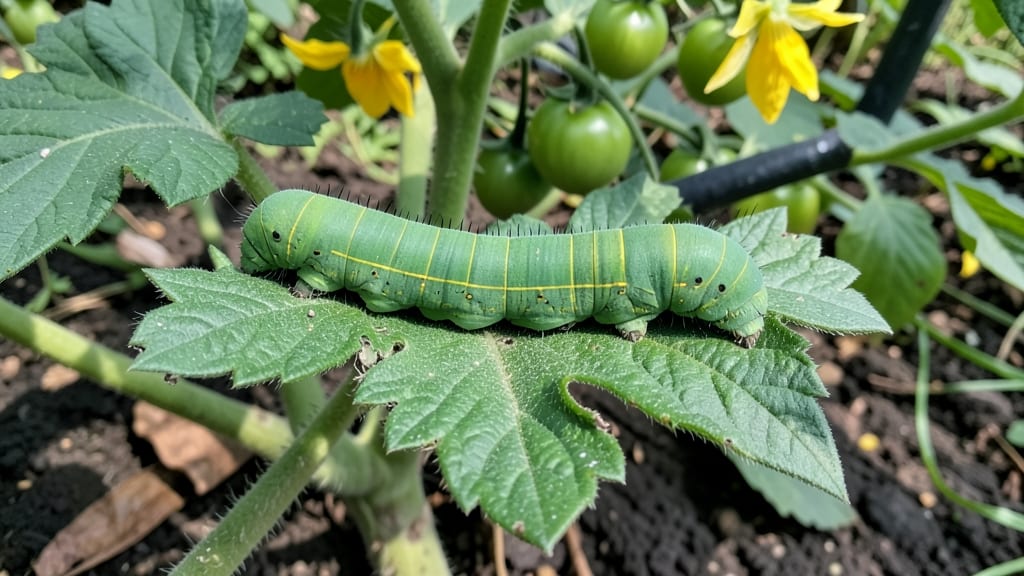
Finding a large caterpillar munching your tomato plant is every gardener’s worst nightmare—especially when you’ve spent all spring nurturing those plants. 🌱 I’ve wrestled with tomato hornworms and other leaf-eaters, and I’ll show you how to evict them without reaching for harsh chemicals.
The damage happens fast—stripped leaves, chewed fruit, and plants that look like they’ve been through a war. But here’s the good news: these pests are easy to spot, and natural solutions work better than sprays.
I’ve used everything from handpicking to introducing predator insects, and my tomatoes bounce back stronger every time.
You’ll learn to identify the culprit in seconds, remove them safely, and protect future harvests with simple prevention. No more chemical residues, no more guesswork—just healthy plants and a garden that thrives while keeping the ecosystem in balance.
Works for home gardens, containers, or raised beds—no matter your setup, these methods are foolproof. Let’s get those caterpillars under control the right way.
Causes Behind Tomato Plant Invaders
Discovering a large caterpillar munching away on your tomato plants can feel like a nightmare—especially when you’ve nurtured them with care. But why do these hungry pests suddenly appear?
The answer lies in a mix of environmental cues, plant health, and natural ecosystems. Understanding these triggers helps you take preventative action before the damage spirals out of control.
Tomato plants emit volatile organic compounds (VOCs) when fruits ripen or get bruised. These chemical signals act like a dinner bell for caterpillars, particularly species like the Hornworm (Manduca sexta) or Tomato Fruitworm (Helicoverpa zea). Here’s why it happens:
- Sugar and pectin signals: Ripe tomatoes release sugars and pectin, which caterpillars detect from up to 3 feet away. A single overripe fruit can lure dozens of larvae.
- Physical damage triggers: Dropped, cracked, or punctured tomatoes expose the gel-like interior, which is rich in nutrients. Caterpillars can smell this through the plant’s vascular system.
- Nighttime feeding peaks: Many caterpillars are nocturnal and use moisture gradients to locate soft, damaged fruit—ideal for burrowing and feeding.
Actionable fix: Harvest tomatoes as soon as they ripen (even if slightly underripe) and remove any bruised or fallen fruit immediately. Prune lower leaves to reduce hiding spots for eggs.
Female moths and butterflies don’t randomly drop eggs—they scout for the healthiest, most nutrient-rich plants. Tomato plants become prime targets due to:
- High nitrogen content: Lush, green tomato foliage signals abundant protein for growing caterpillars. Over-fertilizing with nitrogen (especially synthetic varieties) can double egg-laying activity.
- Smooth leaf surfaces: Tomato leaves provide ideal egg-laying surfaces because their waxy coating prevents desiccation. Moths avoid rough or hairy leaves (like those on wild tomatoes or solanum species).
- Warmth and humidity: Caterpillars thrive in 70–85°F conditions. Greenhouses, mulched beds, and evening dew create perfect microclimates for egg hatching.
Actionable fix:
- Use balanced fertilizer (e.g., 5-5-5 NPK) to avoid nitrogen overload.
- Plant companion herbs like basil or marigolds near tomatoes—their strong scents mask the plant’s chemical attractants.
- Inspect undersides of leaves daily for egg clusters (tiny, oval, or oval-with-a-cap). Remove them with a damp cloth.
While companion planting can repel pests, it can also attract them if misapplied. Some plants unintentionally lure caterpillars by:
| Companion Plant | Why It Backfires | Caterpillar Risk |
|---|---|---|
| Dill or Fennel | Attracts Swallowtail butterflies, whose caterpillars may mistake tomato plants for parsley (their host plant). | 🟡 Moderate (larvae may switch hosts if tomatoes are nearby). |
| Nightshade (e.g., Potato Plants) | Shares the same alkaloid defenses as tomatoes, but some caterpillars (like Colorado Potato Beetles) will spill over to tomatoes. | 🔴 High (aggressive species may colonize both crops). |
| Basil (if overused) | While it repels some pests, excess basil can create a monoculture scent that moths associate with tomato plants. | 🟢 Low-Moderate (context-dependent). |
Actionable fix: Space companion plants 10+ feet away from tomatoes or choose non-host alternatives like:
- 🌼 Marigolds (emit alpha-terthienyl, a natural repellent).
- 🌿 Oregano or Thyme (disrupt moth pheromone trails).
- 🥬 Onions or Garlic (release sulfur compounds that deter egg-laying).
Caterpillar populations explode during specific weather patterns, thanks to:
- Warm winters: Species like the Tomato Hornworm survive cold snaps in the pupal stage. If winters stay above 40°F, more adults emerge the next spring.
- Extended rainy seasons: Moisture softens tomato leaves, making them easier to chew. It also dilutes natural plant defenses like glycoalkaloids (toxic compounds in tomatoes).
- Early planting: Starting tomatoes before the last frost gives moths a head start to lay eggs on vulnerable seedlings.
Actionable fix:
- 📅 Time planting: Wait until 2 weeks after the average last frost to reduce early-season infestations.
- 🌡️ Use row covers in spring to block moths until flowers appear (then remove to allow pollination).
- 💧 Water deeply but early (morning sessions reduce humidity at night, when caterpillars are most active).
Key takeaway: Large caterpillars on tomato plants aren’t just random—they’re responding to specific cues you can control. By addressing fruit ripeness, plant health, companion choices, and seasonal timing, you’ll disrupt their life cycle before they become a full-blown problem.
Quick Fixes for Tomato Plant Invaders
Spotting a large caterpillar munching on your tomato plant can feel like a nightmare—especially when you’re dreaming of juicy, vine-ripened fruit. 🍅😬 The good news? You don’t need harsh chemicals to evict these leafy bandits.
Below are targeted, natural solutions tailored to the most common causes of caterpillar infestations, plus prevention tips to keep your garden caterpillar-free for good.
These green giants (up to 4 inches long!) can devour a tomato plant overnight. Their camouflage makes them tricky to spot—until it’s too late.
🔥 How to Remove Them Fast
- 👨🍳 Handpick at dawn or dusk when they’re sluggish. Drop them into soapy water (no need for cruelty—just a quick, humane end).
- 🥘 Use a flashlight at night—hornworms glow faintly under UV light (a trick from organic gardeners!).
- 🔪 Introduce parasitic wasps (like Cotesia congregata). These tiny allies lay eggs in hornworms, turning them into a buffet for birds—nature’s pest control!
💡 Prevention Tips
- 🌱 Plant basil or marigolds nearby—hornworms avoid these scents.
- 🌡️ Monitor egg clusters (tiny white ovals on leaves). Scrape them off with a fingernail or toothbrush.
- ✨ Try neem oil spray (1 tbsp neem oil + 1 tsp dish soap per quart of water). Spray leaves undersides too—that’s where eggs hide!
These striped or brown caterpillars chew holes in leaves and even burrow into stems. They’re most active after dark, making them hard to catch mid-bite.
🍳 How to Trap & Eliminate Them
- 🌙 Set up a beer trap: Bury a shallow dish filled with beer near the plant. The scent attracts them, and they drown overnight.
- 🪰 Use cardboard collars around stems. Armyworms can’t climb smooth surfaces—wrap strips of cardboard to block their ascent.
- 🐦 Encourage birds and chickens. Free-range birds love munching on caterpillars. Scatter cracked corn nearby to lure them in.
🎯 Prevention Tips
- 🔥 Avoid overwatering—damp soil attracts cutworm eggs.
- 🌿 Plant dill or tansy as companion plants; their fragrance repels them.
- 🌡️ Inspect plants weekly after rain. Armyworms thrive in wet conditions.
These caterpillars create silken tents or drag their bodies in a loop while moving. They’re less aggressive but can still defoliate plants quickly.
⏰ How to Disrupt Their Plans
- 🪲 Physically remove webs/tents with gloved hands or a stick. Burn or drown them (no need to save them—they’re destructive!).
- 💦 Blast them off with water. A strong spray from the hose can knock them off plants before they regroup.
- 🐝 Boost beneficial insects. Ladybugs and lacewings adore loopers. Plant alyssum or dandelions to attract them.
🌱 Prevention Tips
- 🌿 Prune dense foliage to reduce hiding spots.
- 🌡️ Use kaolin clay spray (like Surround WP). It coats leaves, making them less appealing to lay eggs.
- ✨ Plant garlic or chives nearby—their scent confuses caterpillars.
Pro Tip: Always check the undersides of leaves and new growth—that’s where caterpillars hide and lay eggs. A quick 10-minute inspection every few days can dramatically reduce infestations before they spiral. 🕵️♂️
Frequently asked questions
What’s the fastest way to remove a large caterpillar from my tomato plant?
Handpick them at dawn or dusk when they’re sluggish. Drop them into soapy water immediately. For stubborn ones, use a flashlight at night—some species glow faintly under UV light!
Are those caterpillars harmful to my tomatoes?
Yes! Large caterpillars like hornworms can strip leaves overnight and even burrow into fruit. They weaken plants, reduce yields, and leave unsightly damage. Act fast to prevent long-term harm.
Will neem oil work on caterpillars?
Yes, but use it as a preventive spray—not a cure. Mix 1 tablespoon neem oil + 1 teaspoon dish soap per quart of water and spray undersides of leaves where eggs hide. Reapply every 5-7 days for best results.
Can I use beer traps for tomato caterpillars?
Beer traps work best for armyworms. Bury a shallow dish filled with beer near plants—they’ll drown overnight. For hornworms, try parasitic wasps instead. Both methods are chemical-free and effective.
How do I prevent caterpillars next season?
Plant companion herbs like basil or marigolds, monitor egg clusters daily, and use row covers early in the season. Prune lower leaves to eliminate hiding spots. These steps disrupt their life cycle before they become a problem.