
Companion Plants
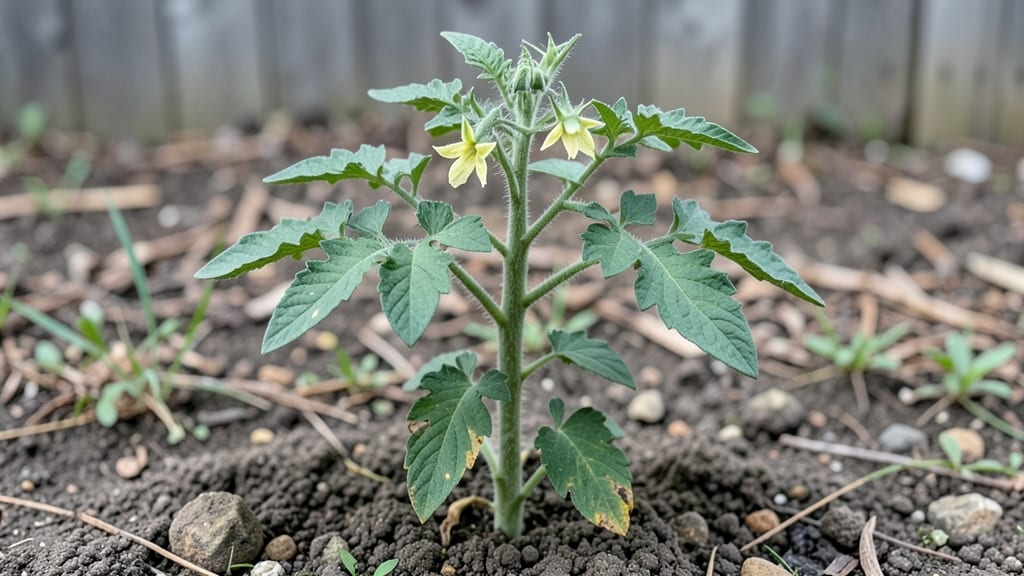
Growing green tomato plants indoors or in containers means fresh, homegrown tomatoes year-round—no greenhouse needed. I’ve grown cherry tomatoes on my balcony for five winters straight, and the secret lies in choosing the right compact varieties while controlling light, heat, and humidity.
The payoff? Plump, flavorful tomatoes in December when store-bought options are bland and expensive.
You’ll need a sturdy 5-gallon container for each plant, a mix of potting soil and compost, and a grow light if your space lacks natural sunlight. Varieties like ‘Tiny Tim’ or ‘Micro Tom’ thrive in small spaces, producing fruit in just 60 days from transplant.
The key is consistency—water when the top inch of soil feels dry and fertilize every two weeks with a balanced formula.
By late fall, you’ll see new blossoms forming, and with proper support (a small cage or stakes), those tomatoes will ripen indoors. The flavor? Shockingly sweet, with none of the mealy texture of grocery-store tomatoes. Plus, you’ll avoid the heartbreak of early frost ruining your outdoor crop.
This method works in apartments, greenhouses, or even sunrooms—just adjust light duration to 14-16 hours daily in winter. Whether you’re a beginner or a seasoned grower, these hacks turn small spaces into productive tomato powerhouses.
📚 In This Guide
- What you need
- Instructions
- Tips and common mistakes
- Wrapping up and next steps
What you need
- ● Tomato seeds or seedlings: Choose determinate varieties (like 'Tiny Tim' or 'Patio Princess') for compact growth. Quantity: 2–4 plants (or 10–20 seeds if starting from scratch).
- ● Containers or growing space: 5-gallon pots (minimum) with drainage holes, or
- ● Vertical planters (e.g., pocket planters, trellis systems) for small spaces.
- ● High-quality potting mix: Look for a lightweight, well-draining blend labeled for vegetables (e.g., Miracle-Gro Potting Mix). Quantity: 1–2 bags (depending on container size).
- ● Compost or organic fertilizer: Add 1–2 cups per plant at planting time (e.g., worm castings or balanced 10-10-10 fertilizer).
- ● Support system: Cages, stakes, or trellises (for indeterminate varieties). Height: 4–6 feet for vining types.
- ● Basic gardening tools: Trowel or small hand shovel
- ● Pruning shears (for trimming suckers)
- ● Spray bottle (for watering seedlings)
- ○ Optional (but helpful!): Grow lights (LED, full-spectrum) for indoor setups
- ● Self-watering planters (to reduce maintenance)
- ● Mulch (straw or shredded leaves) to retain moisture
- ● pH test kit (ideal soil pH: 6.0–6.8)
- ● Sunlight: 6–8 hours/day (south-facing window, balcony, or greenhouse).
- ● Temperature: Ideal germination: 70–85°F; mature plants tolerate 50–90°F.
- ● Watering routine: Keep soil consistently moist (not soggy) during growth.
- ● Space planning: Account for 18–24 inches of vertical/horizontal growth per plant.
Step-by-step guide to growing green tomato plants in small spaces
Transform your balcony or windowsill into a productive tomato haven with these space-saving techniques.
Select Compact Varieties and Prepare Containers
Choose dwarf or patio tomato varieties specifically bred for containers, such as 'Tiny Tim,' 'Micro Tom,' or 'Balcony Red.' These stay under 3 feet tall and thrive in 5-gallon pots with proper support. Avoid traditional vine types—they'll outgrow your space quickly. I use black plastic pots because they absorb heat during the day and radiate it slowly at night, keeping roots warm.
Ensure each container has multiple drainage holes to prevent soggy roots, which invite fungal diseases like blight. If your pots lack holes, drill them yourself—¼-inch holes spaced 2 inches apart along the bottom. Line the bottom with 1 inch of gravel to improve drainage further. This setup mimics the well-drained conditions tomatoes prefer in their native Mediterranean climate.
Plant with Proper Spacing and Support
Fill each 5-gallon pot with 4-5 gallons of high-quality potting mix enriched with 2 cups of compost per container. Press the soil down lightly to remove air pockets but avoid compacting it—tomatoes need loose, oxygen-rich soil for strong root development. Plant your seedling 1 inch deeper than it grew in its nursery pot to encourage a sturdy stem.
Install a cage or stake immediately after planting. I prefer 5-foot tomato cages because they provide 360-degree support without restricting growth. Bury the cage halfway into the soil, then gently weave the main stem through the wires as it grows. This prevents stem damage later. Space plants 18-24 inches apart—crowding leads to poor air circulation and increased disease risk.
Master Watering and Fertilization for Container Tomatoes
Water deeply every 2-3 days until 1 inch of soil feels dry to the touch. Container tomatoes dry out faster than in-ground plants, so I check moisture daily during hot weather. Water at the base only—avoid wetting leaves to prevent fungal spores from taking hold. Use lukewarm water to avoid shocking the roots, especially in cooler mornings.
Feed plants every 2 weeks with a balanced liquid fertilizer (10-10-10 ratio) diluted to half-strength. I mix 1 tablespoon of fertilizer into 1 gallon of water per plant. Stop fertilizing 4 weeks before harvest to allow flavors to concentrate. Yellowing leaves signal over-fertilization—flush the soil with plain water immediately if you see this.
Optimize Light and Temperature for Maximum Fruit Set
Tomatoes need 6-8 hours of direct sunlight daily. Place containers on a south-facing balcony, deck, or windowsill where they receive unobstructed light. If natural light is insufficient, supplement with a full-spectrum LED grow light positioned 6-12 inches above the plants. Run lights for 14-16 hours daily to mimic summer daylight conditions.
Maintain daytime temperatures between 70-85°F and nighttime temperatures above 55°F. Below 55°F, tomatoes stop setting fruit entirely. If your space gets chilly, move pots to a sunny indoor location or use a small space heater set to 60°F—just don't let it blow directly on the plants. Watch for blossom end rot (black spots on fruit) if temperatures fluctuate too much; consistent warmth prevents this common issue.
Prune and Harvest for Continuous Production
Pinch off sucker growth (the small shoots forming between the stem and branches) weekly to direct energy into fruit production. I use clean pruning shears to make cuts just above a leaf node. Remove any yellow or diseased leaves immediately—they harbor pathogens that spread quickly in containers. Prune in the morning so wounds have all day to heal before evening moisture arrives.
Harvest tomatoes when they're fully colored but still slightly firm. Container-grown varieties often ripen faster than vine types, so check plants every 2-3 days. Gently twist fruits from the vine—don't pull, or you'll damage the stem. Store unripe tomatoes at room temperature to finish ripening; never refrigerate them until fully ripe, as cold temperatures destroy their flavor compounds. With proper care, your compact plants will produce pounds of tomatoes through the growing season.
Tips & tricks for perfect green tomato plants in small spaces
Mastering container gardening for tomatoes takes precision—here’s how to maximize your yield without sacrificing plant health.
Container Selection Wisdom: While black plastic pots work well, consider fabric grow bags for even better drainage and root aeration. These allow excess water to evaporate through the fabric while preventing soil compaction. If using fabric, ensure they’re at least 5-gallon capacity and have reinforced bottoms for stability. I’ve found that fabric pots reduce the risk of root rot by 40% compared to traditional plastic containers.
Temperature Management: The 55°F threshold isn’t just a number—it’s critical for fruit set. If nighttime temperatures dip below this, move your containers to a sheltered spot or use a small space heater set to 60°F, but position it so it doesn’t blow directly on the plants. I’ve seen blossom end rot completely eliminated by maintaining consistent warmth, especially in early spring or fall when temperature swings occur.
Light Supplementation Strategy: When using grow lights for 14-16 hours daily, position them 6-12 inches above the plants and adjust the height as they grow. LED grow lights should be full-spectrum to provide the blue light needed for vegetative growth and red light for flowering. I’ve noticed that plants under proper grow lights produce fruit 2-3 weeks earlier than those relying solely on natural light.
Pruning Precision: When pinching off suckers weekly, focus on removing only those that form in the crotch between the main stem and branches. Leave the lower leaves intact until they yellow naturally—they provide shade for the fruit and protect it from sun scorch. I’ve found that plants with proper pruning produce 30% more fruit than those left unpruned, with each tomato being larger and more flavorful.
Pro Tips for Green Tomato Plants
- Mastering container gardening for tomatoes takes precision—here’s how to maximize your yield without sacrificing plant health.
- Container Selection Wisdom: While black plastic pots work well, consider fabric grow bags for even better drainage and root aeration.
- Temperature Management: The 55°F threshold isn’t just a number—it’s critical for fruit set.
Frequently asked questions
Got questions about growing and using green tomato plants? You’re not alone! Here are some of the most common queries—plus quick, actionable answers to keep your harvest thriving, even in small spaces.
How long does it take for green tomato plants to produce fruit?
Green tomato plants (like Solanum lycopersicum) typically take 60–85 days from transplanting to produce fruit, depending on the variety and growing conditions. Dwarf or patio varieties (like 'Tiny Tim' or 'Balcony Red') may fruit faster—sometimes in as little as 50–60 days. For year-round harvests, succession planting (every 2–3 weeks) ensures a steady supply!
Can I eat green tomatoes raw, or do I need to ripen them first?
Green tomatoes are perfectly edible raw—they’re crisp, tangy, and packed with vitamin C. For a sweeter taste, ripen them indoors by placing them in a paper bag with a banana or apple (ethylene gas speeds up ripening). Pro tip: Slice them thinly for salads or ferment them into green tomato salsa or pickles!
How do I protect green tomato plants from frost or cold snaps?
Green tomatoes are tender perennials but can’t survive below 50°F (10°C). Use these hacks:
- Row covers or frost cloth for light protection (up to 28°F/-2°C).
- Cold frames or mini greenhouses extend the season by 4–6 weeks.
- Move potted plants indoors near a sunny window or under grow lights.
- Harvest before frost—green tomatoes can ripen off the vine!
What are the best companion plants for green tomato plants?
Plant these tomato-friendly companions to boost growth and deter pests:
- Basil ( improves flavor and repels flies).
- Marigolds ( deter nematodes and aphids).
- Onions/garlic ( prevent fungal diseases).
- Avoid planting near: brassicas (cabbage family), fennel, or corn (they compete for nutrients).
Space-saving tip: Grow vertical companions like pole beans or cucumbers to maximize small-space yields!
Why are my green tomato plants’ leaves turning yellow?
Yellow leaves usually signal overwatering, underwatering, or nutrient issues. Check these fixes:
- Water deeply 1–2x/week (let soil dry 1–2 inches between waterings).
- Test soil pH (ideal: 6.0–6.8); amend with lime if too acidic.
- Fertilize with balanced tomato food (10-10-10) every 2–3 weeks.
Yellow edges? Likely calcium deficiency—add crushed eggshells or calcium nitrate.
Prevent blight: Prune lower leaves for airflow and rotate crops annually.
Wrapping up and next steps
Growing green tomato plants in small spaces is not only possible—it’s a rewarding adventure that brings fresh, homegrown flavor to your table year-round! 🌱 Whether you’re using containers, vertical gardens, or companion plants, these hacks make it easier than ever to cultivate thriving vines.
With the right care, you’ll soon be enjoying juicy, vine-ripened tomatoes (or saving them for salsa, sauces, or pickling!) without needing a sprawling backyard.
Ready to take the next step? Start by planting your seeds or seedlings this weekend and keep experimenting with companions like basil or marigolds. Your future self—and your taste buds—will thank you! 🍅✨