
Pests and Diseases
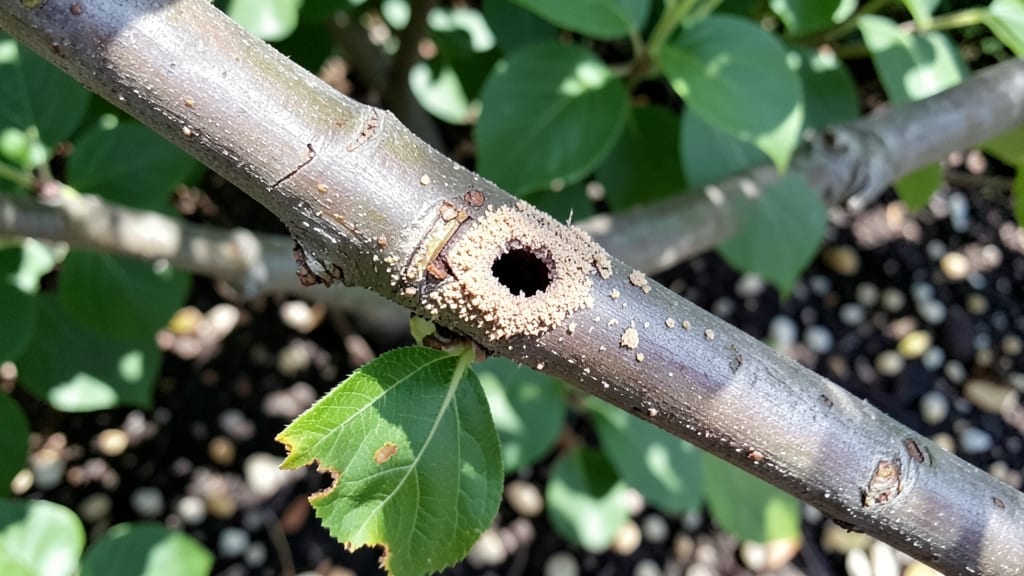
Recognizing lilac borer damage means looking for sawdust-like frass at branch tips, wilting leaves, and dying new growth, plus tiny exit holes where larvae leave. This pest weakens lilacs fast, so early action is key to saving your tree.
Lilac borers target stressed trees, and their larvae tunnel through branches, blocking vital nutrients. 🌿 The frass (chewed wood debris) you spot is actually their waste—think of it as a red flag for active infestation.
If you catch it early, pruning infected branches and applying neem oil can stop the spread before the tree suffers permanent damage.
What makes this tricky is that lilacs often show symptoms only after the larvae have already caused significant internal damage. Regular inspections during late spring and early summer—when adult beetles are most active—can help you intervene before the tree's health declines further.
💡 In This Article
- Lilac Borer Life Cycle and Damage Progression
- Organic and Chemical Treatments for Infested Lilacs
Lilac borer life cycle and damage progression
The lilac borer (Saperda candida) starts its destructive cycle when adult beetles emerge between late May and early June, typically after the lilac tree has finished blooming. These ½-inch-long, yellowish-brown beetles lay eggs in slits they chew into young shoots and branches.
The key moment? Within 7-10 days, eggs hatch into larvae that burrow into the cambium layer—the tree's nutrient-transporting tissue—creating winding tunnels that disrupt sap flow. This is where the real damage begins.
The larvae, which resemble pale, legless grubs with brown heads, spend 6-8 weeks feeding inside the branches. As they grow, their tunneling creates frass—the sawdust-like waste you'll notice accumulating at branch tips or on the ground below.
This isn't just debris; it's a visual alarm system signaling active infestation. The larvae's feeding blocks the tree's vascular system, causing wilting foliage and dieback of new growth within weeks. 🌿
Here's what's actually happening internally: The tunnels disrupt the phloem (sugar-transporting tissue) and xylem (water-transporting tissue), creating a nutrient starvation effect. Think of it like a blocked artery in your tree—critical fluids can't reach the leaves and twigs, leading to the classic symptoms.
By mid-summer, the larvae complete their development and pupate just under the bark, emerging as adult beetles the following spring to repeat the cycle.
The frass buildup isn't just a cosmetic issue—it's a microclimate that attracts more beetles. The sawdust traps moisture, creating ideal conditions for fungal infections that further weaken the tree.
What most people don't realize is that by the time you see exit holes (about ⅛-inch wide), the larvae have already caused irreversible damage to that branch.
The tree's natural defenses are overwhelmed because the borer's tunneling triggers a stress response that diverts energy away from growth and toward wound repair.
Seasonal timing is everything with lilac borers. The adult beetle phase lasts only 4-6 weeks, but that's when they're most vulnerable to control measures. Larvae, meanwhile, are protected inside the wood, making them harder to treat.
This is why early detection—spotting frass or wilting in June or July—is your best defense. The sooner you act, the more branches you can save from becoming permanent feeding grounds for subsequent generations. 🔍
Consider this: A single infested branch can produce hundreds of larvae over one season. Without intervention, the damage compounds yearly, leading to scaffold branch death (where major structural branches die back) and eventually the tree's decline.
The good news? Lilacs are resilient when given proper care—removing infested branches in dormant season (late fall/winter) and treating with systemic insecticides can break the cycle before it spirals.
What makes lilac borers particularly sneaky is their preference for stressed trees. Drought, poor soil, or recent pruning wounds make lilacs more attractive targets. This is why cultural practices—like deep watering and balanced fertilization—play a crucial role in prevention.
A healthy tree can better withstand an initial infestation, giving you more time to implement control measures before the borers gain a foothold. 🌱