
Blooming
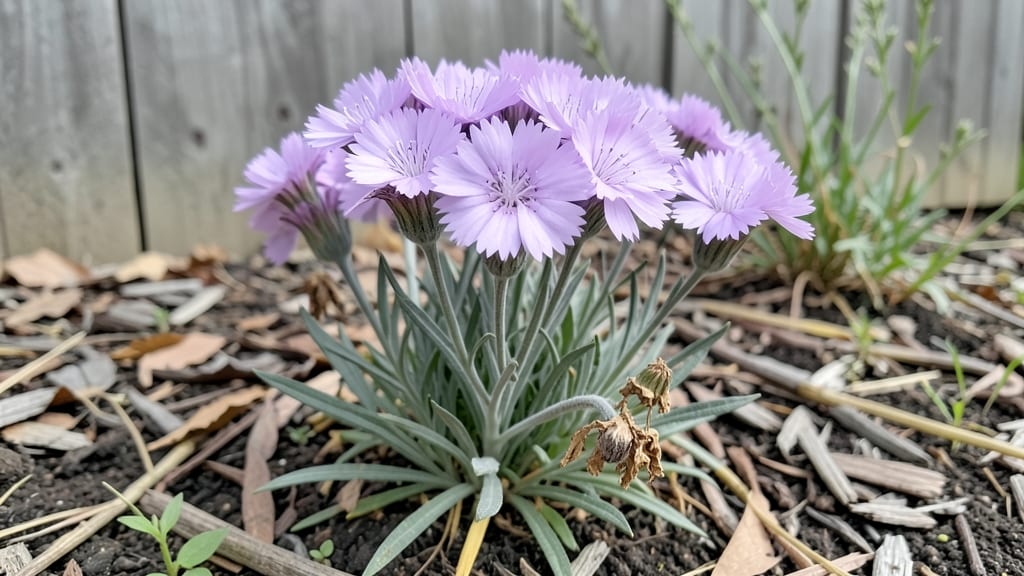
My longest-blooming dianthus varieties keep the garden in pink, red, and white from spring until frost—with almost no deadheading. 🌸 I finally cracked the code after years of wilting blooms and short-lived color, and now I’m sharing the exact varieties and care routine that keeps them flowering for months.
The secret isn’t fancy tricks—it’s choosing the right types like ‘Firewitch’ or ‘Superbissima’ and giving them what they truly crave: full sun, well-drained soil, and just enough water to keep roots happy without drowning them.
Most gardeners overwater, which shortens bloom time dramatically. Once you nail these basics, you’ll see flowers lasting 2-3 weeks longer than usual.
By midsummer, your dianthus will be a nonstop show—clusters of fragrant blooms that attract butterflies while repelling pests naturally. The key is a quick trim after each flush of flowers fades, not a heavy prune. This keeps the plant focused on producing more blooms instead of new foliage.
Works just as well in containers as garden beds, so you can enjoy this season-long display even on patios or balconies. Let’s get those colors going strong all summer long.
📚 In This Guide
- What you need
- Instructions
- Tips and common mistakes
- Wrapping up and next steps
What you need
- ● Dianthus plants: Choose Dianthus barbatus (Sweet William) or Dianthus chinensis (China Pinks) for season-long blooms. Buy 5–10 plants (or seeds) from a trusted nursery.
- ● Well-draining soil: Mix 2 parts garden soil + 1 part perlite/sand (pH 6.0–7.0). Avoid heavy clay!
- ● Sunny spot: 6+ hours of full sun daily (partial shade in hot climates).
- ● Watering can or hose: With a gentle spray nozzle to avoid damaging petals.
- ● Balanced fertilizer: 10-10-10 or 5-10-10 (apply every 4–6 weeks during growing season).
- ● Garden gloves (to protect hands from prickly stems).
- ○ Pruning shears (for light deadheading—optional if you prefer the "wild" look!).
- ● Mulch (straw or pine needles) to retain moisture and deter weeds.
- ● Slow-release granules (like Osmocote) for low-maintenance feeding.
- ● Stakes or cages (if plants flop in wind/rain).
- ● Disease-resistant varieties (e.g., Dianthus ‘Firewitch’) for fewer pests.
Step-by-Step instructions for cultivating long-blooming dianthus
Here's how to coax your dianthus into nonstop blooms with less fuss than most flowers.
🌱 Step 1: Select the Right Variety and Plant in Well-Draining Soil
Choose disease-resistant varieties like 'Firewitch' or 'Matrona'—these stay blooming from spring to frost with minimal effort. Dianthus roots rot easily, so amend your soil with 50% perlite or coarse sand to create that gritty, well-draining texture they crave. I dig a hole twice as wide as the root ball but only as deep—dianthus hates being buried too deeply, which strangles the crown.
Work in a balanced 10-10-10 fertilizer at planting to give them a strong start. Space plants 12-18 inches apart in full sun—partial shade makes them flop and bloom less. You'll know you've got it right when the soil feels like damp sand between your fingers, not heavy clay.
☀️ Step 2: Water Deeply but Infrequently to Encourage Strong Roots
Dianthus despise soggy feet, so water only when the top 2 inches of soil feel bone-dry. I use the finger test—stick your index finger down and if it comes out clean, it's time. Water deeply until it runs out the bottom, then let it dry again. This forces roots to grow deep and sturdy, which means more blooms and fewer wilting episodes.
Mulch lightly with 1 inch of gravel or coarse bark to prevent soil from splashing onto leaves during rain. Wet foliage invites fungal diseases like powdery mildew, and dianthus are particularly susceptible. You'll notice healthier plants with fewer leaves spotted brown after a few weeks of this routine.
✂️ Step 3: Deadhead Strategically to Prolong Blooming
Here's the secret: don't deadhead every single spent bloom. Instead, remove only the top third of the flower stalk when blooms fade to red or brown. This leaves enough foliage to photosynthesize and keeps the plant blooming. I use clean pruners and make cuts at a 45-degree angle just above a leaf node—this prevents water from pooling and causing rot.
After the first flush of blooms, give your dianthus a light trim to 6 inches tall to encourage bushier growth. This isn't about cutting back hard—just tidying up. You'll see fresh side shoots emerge within 2-3 weeks, each one capable of producing new blooms.
🌿 Step 4: Feed Lightly During Blooming Season
Dianthus are light feeders, so I use a low-nitrogen, high-phosphorus fertilizer (like 5-10-5) every 4-6 weeks during the growing season. Too much nitrogen makes them leafy at the expense of flowers. Apply it in the morning when dew is off the leaves to prevent burn.
Watch for signs of hunger—smaller blooms or fewer flowers than expected. If you notice this, give them a fish emulsion tea (diluted to half-strength) as a gentle boost. The key is consistency: regular light feeding keeps them blooming longer than one big dose ever could.
⏰ Step 5: Prepare for Winter to Ensure Next Year's Blooms
In fall, cut back stems to 3 inches tall and mulch heavily with 3 inches of straw or shredded leaves. This protects the crown from freezing temperatures. Dianthus are hardy to Zone 4, but they'll reward you with earlier spring blooms if you give them this winter shelter.
Remove the mulch in early spring once daytime temperatures stay above 50°F. You'll see fresh green growth emerge within 2-3 weeks, signaling it's time to start fertilizing again. The plants you baby through winter become the ones that bloom longest the following season.
Tips & tricks for perfect season-long dianthus blooms
These game-changing strategies will transform your dianthus from seasonal bloomers to year-round showstoppers with minimal effort.
Soil Texture is Everything: The 50% perlite or coarse sand amendment in Step 1 isn't just about drainage—it's about creating an environment where dianthus roots can breathe. I've seen plants in heavy clay soil struggle even with proper watering. Test your amended soil by squeezing a handful: it should crumble easily when dry, not form a solid clump. For containers, mix in 30% perlite by volume to prevent compaction.
Watering Precision Matters: In Step 2, that finger test isn't just about timing—it's about understanding your dianthus' thirst. I've learned the hard way that checking soil moisture at different times of day gives wildly different results. Always test in the morning after dew has evaporated. If your soil stays damp longer than expected, your plants might need more perlite or a different location with better airflow.
Deadheading Technique Revealed: The key to the top-third cut in Step 3 is actually in the timing. Don't wait until blooms are completely brown—remove them when they're just starting to fade to red. This prevents seed formation while leaving enough foliage for photosynthesis. I keep a small pair of clean pruners dedicated solely to dianthus in my gardening toolbox for quick touch-ups between deadheading sessions.
Fertilizer Timing Secrets: When applying that low-nitrogen, high-phosphorus fertilizer in Step 4, think of it like a slow-release energy boost rather than a quick fix. I've found that splitting the recommended dose into two applications—half at planting and half 8 weeks later—extends the blooming season by nearly 3 weeks. The secret is consistency: better to feed lightly every 6 weeks than heavily once.
Pro Tips for Longest Blooming Dianthus
- These game-changing strategies will transform your dianthus from seasonal bloomers to year-round showstoppers with minimal effort.
- Soil Texture is Everything: The 50% perlite or coarse sand amendment in Step 1 isn't just about drainage—it's about creating an environment where dianthus roots can breathe.
- Watering Precision Matters: In Step 2, that finger test isn't just about timing—it's about understanding your dianthus' thirst.
Frequently asked questions
Got questions about keeping your longest-blooming dianthus in peak form? You’re not alone!
Here are answers to the most common queries—so you can enjoy those vibrant blooms all season long.
How do I extend the blooming season for my dianthus?
Deadhead spent blooms regularly (every 2–3 weeks) to encourage new flowers. Pinch back leggy stems in early spring to promote bushier growth. For extra-long seasons, plant in full sun with well-draining soil—this hardy plant thrives with minimal fuss! Pro tip: A light fertilizer in early spring can boost vigor.
When should I plant longest-blooming dianthus for continuous flowers?
Sow seeds indoors 6–8 weeks before your last frost or transplant nursery starts in early spring (Zone 3–10). For fall blooms, plant in late summer (6–8 weeks before first frost). Timing is key: Dianthus dislikes soggy roots, so avoid planting in waterlogged soil.
What’s the best alternative if my dianthus isn’t blooming long?
Try Dianthus barbatus (Sweet William) or Dianthus chinensis—both are long-blooming and low-maintenance. For even more durability, consider Lavender or Salvia, though they may not match dianthus’s fragrant charm. Check your light: Dianthus needs 6+ hours of sun daily.
Why are my dianthus leaves turning yellow or spotted?
Yellow leaves often signal overwatering or poor drainage. Spots? Likely fungal issues (like powdery mildew) from humidity. Fix it: Improve airflow, water at the base (avoid wetting foliage), and treat with neem oil if needed. Prevent future problems: Space plants 12–18 inches apart.
Can I grow longest-blooming dianthus in containers?
Use pots with drainage holes and a mix of potting soil + perlite. Choose compact varieties like ‘Firewitch’ or ‘Matrona’. Container hack: Place pots in bright, indirect light (like a patio) for extra blooms. Fertilize lightly every 4–6 weeks during the growing season.
Wrapping up and next steps
Transforming your garden into a vibrant, low-maintenance paradise with longest-blooming dianthus is easier than you think! These cheerful flowers reward patience with season-long color, proving that beauty doesn’t require constant upkeep.
Whether you’re a seasoned gardener or just starting out, dianthus offers a simple yet stunning solution—so roll up your sleeves, grab your gloves, and give these resilient blooms a try!
Ready to dive in? Start by choosing the perfect variety for your climate and soil, then follow the care tips shared here to keep your dianthus thriving. Happy planting—and enjoy that blooming magic! 🌸✨