
Trees
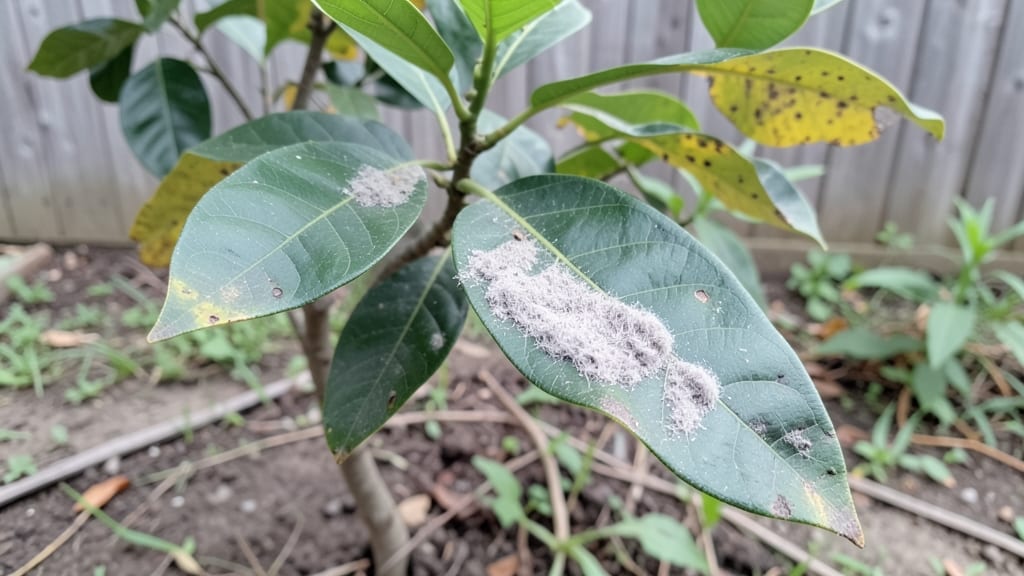
When your mango tree’s leaves start turning brown with fuzzy white patches or black spots, fungus has taken hold—and it’s stealing your harvest. 🌿 I’ve battled anthracnose and powdery mildew on my own tree, and the key is acting fast with organic fixes before the infection spreads to the fruit.
The problem usually starts with too much humidity, poor airflow, or overwatering—common in tropical climates where mangoes thrive. Pruning to improve sunlight penetration and removing infected leaves immediately cuts off the fungus’s food source.
A simple baking soda spray (1 teaspoon per quart of water with a drop of dish soap) works wonders for early-stage powdery mildew.
With consistent care, your tree can bounce back within weeks, producing vibrant green leaves and sweet, disease-free fruit by season’s end. The best part? These remedies are gentle on your tree and the environment—no harsh chemicals needed. Let’s get your mango tree thriving again.
From coastal Florida to Hawaii, these methods adapt to your local climate. The secret is monitoring your tree regularly and adjusting care as the seasons change. You’ve got this!
Understanding Fungal Threats in Mango Trees
Fungal infections in mango trees aren’t just random bad luck—they’re often the result of specific environmental, biological, or cultural factors that create the perfect storm for pathogens.
Below, we break down the key reasons why these pesky fungi take hold, so you can spot the warning signs and take action before they spread.
Fungi thrive in wet, stagnant conditions, and mango trees are no exception. When soil stays too damp—whether from overwatering, heavy rainfall, or poor drainage—fungal spores like Anthracnose or Powdery Mildew get the upper hand.
- Why it happens: - Mango trees need well-draining soil (sandy loam is ideal).
Compacted or clay-heavy soil traps moisture, suffocating roots and inviting fungal growth. - Overwatering weakens the tree’s defenses by stressing it, making it easier for pathogens to invade. - Fungal spores in the air or soil germinate when moisture lingers on leaves, stems, or fruit.
- Actionable fix: - Test your soil’s drainage by digging a hole, filling it with water, and timing how long it takes to drain.
If it’s slower than 4 hours, amend with perlite, sand, or compost to improve aeration. - Water deeply but infrequently—aim for 1–1.5 inches per week (adjust for climate). Avoid wetting foliage, especially in humid conditions.
A healthy mango tree has natural defenses, but stressors like nutrient deficiencies, pests, or harsh pruning can weaken it, making it vulnerable to fungal attacks.
- Why it happens:
- Nutrient imbalances (e.g., low nitrogen, potassium, or zinc) reduce the tree’s ability to fight infections.
- Pests like aphids or fruit flies create wounds that serve as entry points for fungi.
- Improper pruning (cutting too close to branches or during wet seasons) leaves open sores where spores can colonize.
- Actionable fix:
- Fertilize regularly with a balanced NPK (10-10-10) formula and micronutrients like zinc sulfate to boost immunity.
- Inspect for pests weekly—use neem oil or insecticidal soap to keep populations in check.
- Prune during dry seasons and use sterilized tools to prevent spreading spores.
Fungi love warm, humid environments—think tropical climates with high rainfall or poor airflow. Mango trees grown in these conditions are at higher risk for diseases like fruit rot or leaf spot.
- Why it happens:
- Temperatures between 77–86°F (25–30°C) and high humidity (70%+) create the perfect breeding ground for fungal spores.
- Stagnant air (common in dense plantings or greenhouses) prevents evaporation, keeping moisture on leaves longer.
- Monsoon seasons or sudden downpours can wash spores directly onto flowers and fruit.
- Actionable fix:
- Space trees 20–30 feet apart to improve airflow and reduce humidity around foliage.
- Mulch with straw or wood chips (but keep it 2–3 inches away from the trunk) to regulate soil moisture without trapping dampness.
- Use shade cloth during peak humidity to lower leaf surface temperatures.
Fungal spores are sneaky survivors—they can hitchhike on pruning tools, infected plant debris, or even contaminated compost, jumping from one tree to another.
- Why it happens:
- Reusing tools without cleaning them spreads spores from infected to healthy trees.
- Old mulch or compost may harbor dormant fungal spores that reactivate when conditions are right.
- Grafting or propagating with infected scions can introduce diseases directly into new plants.
- Actionable fix:
- Sterilize tools between uses with 70% isopropyl alcohol or a 10% bleach solution (rinse well).
- Remove and destroy infected leaves, fruit, or branches—do not compost them.
- Test new soil or mulch for pathogens before use, or opt for sterilized potting mixes.
If your mango tree is planted in soil already teeming with fungal pathogens (from previous crops or organic matter), the tree is doomed from the start.
- Why it happens:
- Old garden beds with history of fungal diseases (like citrus greening or root rot) may still harbor spores.
- Using untreated manure or compost from unknown sources can introduce pathogens.
- Poorly drained native soil in low-lying areas accumulates fungal buildup over time.
- Actionable fix:
- Test soil for pathogens before planting (local extension offices can help).
- Solarize soil (cover with clear plastic for 4–6 weeks in hot sun) to kill existing fungi.
- Plant in raised beds with fresh, sterilized soil if native soil is suspect.
Quick Fixes for Tree Health
Fungal infections on your mango tree can feel like a slow-motion disaster—until you act! The good news? Many organic remedies can restore your tree’s vitality without harsh chemicals. Below, we’ve mapped the most common fungal causes to practical, step-by-step solutions, plus prevention tips to keep your tree thriving long-term.
Cause: Dark, sunken lesions on leaves and fruit, often from Colletotrichum fungus in humid conditions.
How to Fix It:
- 🌿 Prune & Toss Remove infected leaves, fruit, and branches immediately (don’t compost them—burn or trash). Fungi spread via spores, and dead plant matter is a breeding ground.
- 💦 Copper Spray (DIY or Store-Bought) Mix 1 tsp copper sulfate (or 2 tbsp copper fungicide) in 1 gallon of water + a drop of dish soap (as a sticker).
Spray every 7–10 days until new growth appears. Why it works: Copper disrupts fungal cell walls without harming beneficial microbes.
- 🌱 Boost Tree Immunity Apply a neem oil spray (2 tbsp neem oil + 1 tsp mild soap per gallon of water). Neem confuses fungal spores and strengthens the tree’s defenses.
💡 Prevention Pro Tips:
- Space trees 15+ feet apart for airflow.
- Water at the base (avoid overhead sprinkling).
- Harvest fruit early if lesions appear—ripe fruit is more vulnerable.
Cause: White, powdery patches on leaves, caused by Oidium or Sphaerotheca fungi in dry, shady conditions.
How to Fix It:
- 🧼 Gentle Scrubbing Use a soft cloth or sponge dipped in soapy water (1 tbsp mild soap per gallon) to wipe off mildew. Do this early in the morning so leaves dry quickly.
- 🍋 Baking Soda Spray (Safe & Effective) Mix 1 tbsp baking soda + 1 tsp horticultural oil + 1 tsp soap in 1 gallon of water. Spray every 5–7 days until mildew disappears. Science note: The pH change makes the leaf surface inhospitable to fungi.
- 🌿 Mulch & Mulch Again Apply 3–4 inches of organic mulch (straw or wood chips) around the base to retain moisture and reduce dust (a mildew trigger).
🔥 Prevention Hack:
- Prune for sunlight—remove overhanging branches blocking light.
- Avoid nitrogen-heavy fertilizers (they promote lush, mildew-loving growth).
Cause: Soft, mushy fruit with moldy spots, often from Phytophthora or Botrytis in wet soil or after rain.
How to Fix It:
- 🚫 Remove Infected Fruit ASAP Cut rotten fruit with sterilized shears (wipe with rubbing alcohol between cuts) and dispose of it. Don’t leave it on the tree—it’s a fungus factory.
- 🌧️ Improve Drainage If your tree sits in soggy soil, amend with compost or build a raised bed for better airflow. Test your soil: Ideal pH for mangoes is 5.5–7.5.
- 🍯 Honey or Sugar Spray (Yes, Really!) Mix 1 tbsp raw honey + 1 tsp cinnamon in 1 gallon of water. Spray on leaves and fruit. Why? Honey’s low pH and cinnamon’s antifungal properties create a protective barrier.
✨ Emergency Save:
- For light rot, isolate the fruit and treat with food-grade hydrogen peroxide (3%) spray (1:1 with water) to slow decay.
No matter the fungus, these universal steps will help:
- 🌿 Strengthen the Tree Feed with compost tea or fish emulsion (high in phosphorus for root health).
- 💧 Water Wisely Deep watering 2x/week (early morning) > daily light sprinkles.
- 🛡️ Preventative Sprays Rotate between neem oil, copper, and baking soda sprays monthly during growing season.
🎯 Final Tip: Keep a fungus journal—note when issues flare up (e.g., after rain) to adjust care next season. A healthy mango tree is resilient, but fungi thrive on neglect. Act fast, stay consistent, and your tree will bounce back!
Frequently asked questions
What are the most common types of fungus affecting mango trees?
Mango trees typically battle anthracnose (dark sunken spots), powdery mildew (white powdery patches), and fruit rot (mushy, moldy spots). These thrive in humid conditions or after heavy rain. Early identification is key—check leaves and fruit regularly for discoloration or unusual textures.
Can I still harvest fruit from a tree with fungal infections?
Only if the fruit shows no visible lesions or mold. Remove any infected fruit immediately to prevent spread. For trees with severe infections, harvest early (when fruit is slightly underripe) to minimize exposure. Treat remaining fruit with a honey-cinnamon spray to slow decay.
How often should I spray fungicides on my mango tree?
Apply organic sprays like copper fungicide or neem oil every 7–10 days during active growth (spring/summer). For preventive care, rotate sprays monthly. Avoid spraying during rain or extreme heat—aim for early morning applications when leaves are dry.
Will pruning help control fungal spread?
Prune to improve airflow and remove infected branches/leaves. Use sterilized tools (wipe with rubbing alcohol) and dispose of debris in the trash—not compost. Focus on thinning dense foliage to reduce humidity around the tree.
When should I call a professional arborist?
If fungi persist despite 3+ weeks of treatment, or if you notice root rot, wilting, or widespread dieback, consult an arborist. Severe cases may require systemic fungicides or soil remediation. Early intervention saves your tree—don’t wait until it’s too late!