
Tools
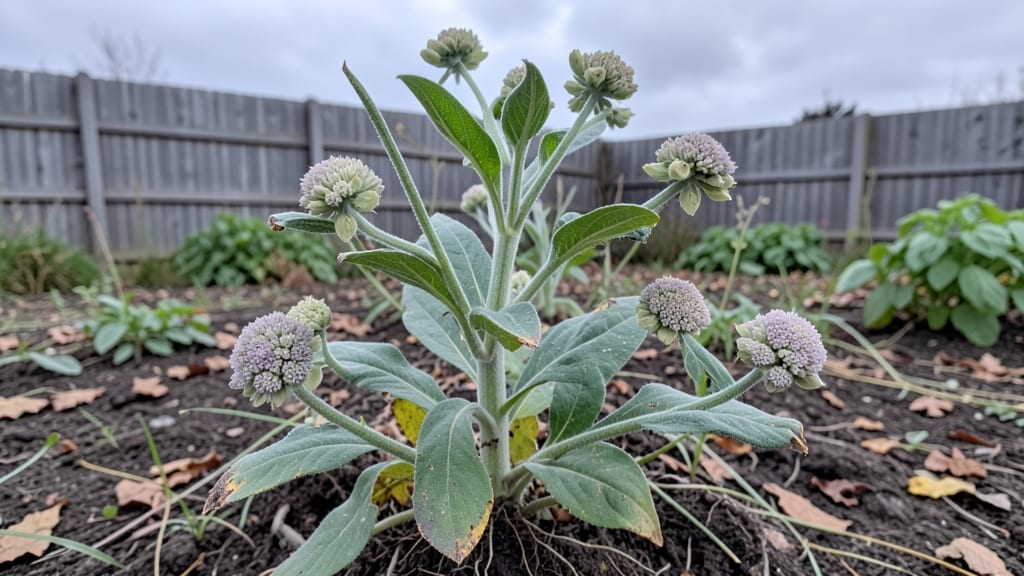
Planting milkweed in your garden isn’t just about adding a tough, drought-resistant plant—it’s about creating a lifeline for monarch butterflies and other pollinators struggling to survive. 🌱 I’ve watched my patch transform from a sleepy corner into a fluttering hotspot where orange wings dart between stems, and the sheer joy of witnessing that makes every bit of effort worth it.
You don’t need fancy soil or constant care—milkweed thrives in poor conditions, from rocky slopes to sunny edges. Start with seeds or young plants in spring or early fall, give them full sun, and water them lightly until established.
The key is letting nature take over once they’re planted; these plants are built to handle neglect while still delivering massive ecological payoff.
By summer, you’ll see the first caterpillars munching away on broad leaves, and soon after, monarchs will arrive to lay their eggs. The air hums with activity, and your garden becomes a stopover on their migration journey.
It’s a small act that makes a real difference—especially when so many gardens lack this vital plant.
Works in any sunny spot, from city containers to open fields, and pairs beautifully with native grasses or wildflowers. Here’s how to make it happen without the fuss—your garden (and the butterflies) will thank you.
📚 In This Guide
- What you need
- Instructions
- Tips and common mistakes
- Wrapping up and next steps
What you need
- ● Milkweed seeds or plants: 1–5 plants (depending on garden size; Asclepias tuberosa or Asclepias syriaca are great choices)
- ○ Optional: Native milkweed species for local butterflies (check regional availability!)
- ● Well-draining soil: Mix in compost or sand if your soil is heavy clay.
- ● Mulch: 2–3 inches of organic mulch (straw or shredded leaves) to retain moisture.
- ● Garden gloves (1 pair) – Protect your hands from prickly stems!
- ● Hand trowel or transplanting spade – For digging and planting.
- ● Watering can or hose with a gentle spray nozzle – Milkweed hates soggy roots.
- ● Pruners or shears – For trimming dead foliage or shaping plants.
- ○ Optional: Stakes or cages (1–2) – To support taller varieties like Asclepias syriaca.
- ● Butterfly monitoring journal – Track monarch visits with joy!
- ● A sunny spot: 6+ hours of direct sunlight daily (milkweed thrives in full sun!).
- ● Space: 1–3 feet apart for dwarf varieties, 3–5 feet for larger types.
- ● Patience: Germination can take 10–30 days—don’t rush it!
Step-by-Step guide to planting milkweed for monarch butterflies
Here's how to create a thriving butterfly haven with just a few simple steps.
🌱 Step 1: Choose the Right Milkweed Variety for Your Climate
Milkweed thrives in USDA Zones 3-10, so pick a native variety suited to your region. Common milkweed (Asclepias syriaca) handles tough conditions, while butterfly weed (Asclepias tuberosa) offers vibrant orange blooms in drier areas. I always check my local native plant society's recommendations—they know which species attract the most butterflies.
For container gardens, choose compact varieties like swamp milkweed (Asclepias incarnata), which stays under 3 feet tall. If planting in the ground, give mature plants 18-36 inches of space—they spread aggressively but peacefully. Avoid tropical milkweeds unless you live in Zone 10 or warmer; they won't survive frost.
🪴 Step 2: Prepare the Planting Site for Maximum Butterfly Appeal
Milkweed loves full sun to partial shade—at least 4-6 hours of direct sunlight daily. Clear the area of weeds and loosen the soil to a depth of 12 inches using a garden fork. Milkweed tolerates poor soil but grows best in well-draining, slightly sandy loam. If your soil is heavy clay, mix in 2-3 inches of compost to improve drainage.
For container planting, use a 5-gallon pot or larger with drainage holes. Fill with a mix of 50% potting soil and 50% perlite or coarse sand. Milkweed roots are shallow but spread wide, so containers need depth. I always add a handful of slow-release fertilizer at planting time—just enough to give them a boost without overfeeding.
🌿 Step 3: Plant Seeds or Transplants at the Right Time
For fastest results, plant nursery-grown milkweed transplants in early spring after the last frost or in fall before the first hard freeze. If starting from seed, sow outdoors in late spring to early summer—milkweed seeds need warm soil to germinate. Scatter seeds lightly on the soil surface; they don’t need to be buried. Press them into the soil with your hand, then water gently but thoroughly.
Watch for germination in 10-21 days—you’ll see tiny, rounded leaves appear first. If planting multiple varieties, space them 12-18 inches apart to allow airflow and prevent fungal diseases. I always plant a few extra seeds; some won’t sprout, and butterflies love dense patches of milkweed.
☀️ Step 4: Care for Milkweed With Minimal Maintenance
Milkweed is drought-tolerant once established, but young plants need 1 inch of water weekly during their first growing season. Water at the base of the plant in the morning to prevent fungal issues. Once mature, milkweed can go weeks without water—just watch for wilting leaves as a signal to hydrate.
Fertilize lightly in early spring with a balanced, slow-release fertilizer. Too much nitrogen makes milkweed grow lush foliage but few flowers—we want those blooms for butterflies! Deadhead spent flowers in late summer to encourage a second bloom cycle. And here’s the best part: milkweed spreads on its own, so you’ll have more plants each year with almost no effort.
✂️ Step 5: Encourage Butterfly Visits Year After Year
Leave milkweed stems standing through winter—they provide overwintering sites for monarch butterfly chrysalises. In early spring, trim back dead foliage but leave some stems if you spot chrysalises attached. Monarchs emerge in 10-14 days once temperatures rise above 55°F.
To attract more butterflies, plant milkweed near nectar sources like coneflowers, asters, or bee balm. Avoid pesticides entirely—milkweed’s only real enemy is overwatering or heavy soil. With just these simple steps, your garden will become a monarch butterfly hotspot in no time.
Tips & tricks for perfect milkweed planting
Here's what I've learned from years of growing milkweed—these small details make all the difference for your butterfly garden.
Selection Tip: When choosing between common milkweed and butterfly weed, consider your local ecosystem. Butterfly weed (Asclepias tuberosa) thrives in drier conditions and attracts more monarchs in drought-prone areas, while common milkweed (Asclepias syriaca) handles wetter soils. For container gardens, swamp milkweed (Asclepias incarnata) is my top pick—it stays compact and produces abundant blooms that butterflies adore.
Soil Prep Strategy: Don't skip the 12-inch soil loosening in Step 2—this creates ideal root conditions. If your soil is heavy clay, the 2-3 inches of compost recommendation is non-negotiable. I've seen milkweed struggle in compacted soil, but with proper prep, it grows like a weed (literally!). For containers, that 50-50 soil mix with perlite is crucial—it prevents root rot while allowing proper drainage.
Planting Timing Secret: The 10-21 day germination window in Step 3 can feel like forever, but patience pays off. I've found that planting seeds in late spring gives them the warm soil they need to sprout reliably. For transplants, that early spring timing after last frost is critical—monarchs will be migrating through just as your milkweed starts blooming, creating a perfect feeding stop.
Winter Care Wisdom: Leaving stems through winter (Step 5) might seem counterintuitive, but those dried stalks are monarch chrysalis hotels! I always check stems in early spring before trimming—you'll often find tiny green chrysalises clinging to the stalks. At 55°F, monarchs emerge in just 10-14 days, so timing your spring cleanup carefully makes all the difference.
Pro Tips for Milkweed In The Garden
- Here's what I've learned from years of growing milkweed—these small details make all the difference for your butterfly garden.
- Selection Tip: When choosing between common milkweed and butterfly weed, consider your local ecosystem.
- Soil Prep Strategy: Don't skip the 12-inch soil loosening in Step 2—this creates ideal root conditions.
Frequently asked questions
Got questions about growing milkweed? You're not alone!
Here are answers to the most common queries—from planting tips to troubleshooting—so you can create a thriving butterfly haven with confidence.
When is the best time to plant milkweed in my garden?
For Asclepias species, plant seeds in late summer or early fall (after the first frost) for spring germination. Transplants can go in during early spring or fall, avoiding extreme heat. Native milkweed thrives with minimal fuss—just mimic its natural conditions!
Will milkweed attract pests or diseases I should worry about?
While milkweed is a butterfly magnet, it’s also host to aphids, spider mites, and milkweed beetles. Most are harmless to plants and provide food for beneficial insects! Monitor for Ophryocystis elektroscirrha (a butterfly parasite)—remove heavily infested leaves to keep populations in check.
Can I grow milkweed in containers or small spaces?
Dwarf varieties like Asclepias tuberosa (butterfly weed) or Asclepias curassavica (tropical milkweed) thrive in 12"+ pots with well-draining soil. Ensure containers get 6+ hours of sun daily. Just avoid overcrowding—milkweed spreads, but not aggressively in tight spaces!
What if my milkweed isn’t flowering? What’s going wrong?
Common culprits: too much shade (6+ hours of sun is ideal), over-fertilizing (milkweed prefers lean soil), or immature plants (wait 1–2 years for blooms). Check for pests or root rot (yellowing leaves = red flag). Give it time—some species bloom sporadically!
Are there non-native milkweed alternatives that are easier to grow?
If natives like Asclepias syriaca (common milkweed) are tricky, try Asclepias curassavica (tropical milkweed)—it’s hardy, blooms year-round in warm climates, and attracts monarchs. Just avoid planting it in cold zones permanently (it can spread OE parasite). For low-maintenance, Asclepias incarnata (swamp milkweed) is a great mid-size option!
Wrapping up and next steps
Transforming your garden into a butterfly haven with milkweed is simpler—and more rewarding—than you think! 🌸 Whether you're drawn to its vibrant blooms, eco-friendly benefits, or the joy of supporting pollinators, milkweed delivers with minimal effort. Start small, experiment with varieties, and watch your garden buzz with life.
Ready to take the next step? Pick your favorite milkweed type, gather your supplies, and plant with confidence! Your future monarchs will thank you—one flutter at a time. 🦋