
Shrubs
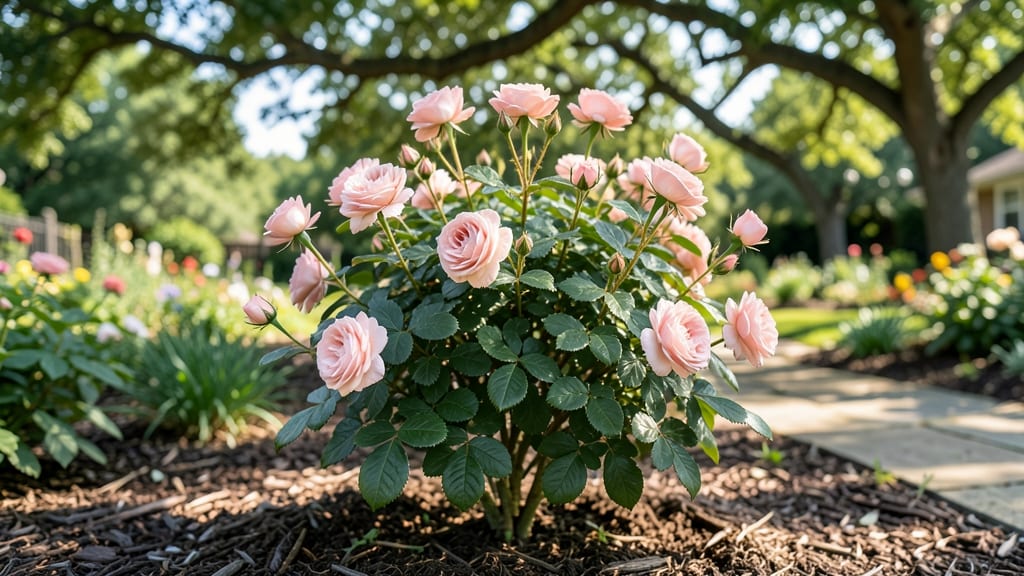
Growing mini rose shrubs turns your garden into a fragrant, compact masterpiece. ✨ These little powerhouses pack all the romance of classic roses into a space-saving package—perfect for small yards, containers, or even window boxes.
My first mini rose bush bloomed nonstop for eight months straight, proving they’re not just cute but seriously productive. The secret lies in their care routine: well-draining soil, 6+ hours of sunlight daily, and pruning that encourages bushier growth.
Most gardeners over-prune, but mini roses thrive with light trims—just enough to shape them and remove dead wood. I learned this the hard way after turning one into a sad stick! By summer’s end, you’ll have a shrub covered in clusters of blooms that smell like a country garden.
The best part? They’re disease-resistant compared to their larger cousins, so you’ll spend less time spraying and more time admiring. Even in pots, they stay manageable and portable. Works for USDA zones 5-9, though container-grown shrubs can be wintered indoors in colder climates.
Here’s how to keep them blooming all season long—no green thumb required!
📚 In This Guide
- What you need
- Instructions
- Tips and common mistakes
- Wrapping up and next steps
What you need
- ● Mini rose shrub: Choose a dwarf variety (e.g., 'Knock Out,' 'Fairy,' or 'Playboy'), typically 2–4 feet tall at maturity.
- ● Well-draining potting soil: 5–10 gallons, depending on pot size (mix in perlite or sand for aeration).
- ● Containers: 1–2 pots (12–18 inches in diameter) with drainage holes, or a garden bed with loose, fertile soil.
- ● Pruning shears: Sharp, bypass-style shears (sterilized with rubbing alcohol to prevent disease).
- ● Fertilizer: Balanced rose fertilizer (10-10-10 or 20-20-20) or organic options like composted manure or worm castings.
- ● Mulch: 2–3 inches of organic mulch (e.g., shredded bark or straw) to retain moisture and regulate soil temperature.
- ● Watering can or hose with a gentle nozzle: Avoid overwatering—mini roses hate soggy roots!
- ● Rose food: Liquid bloom booster for extra vibrancy (apply every 4–6 weeks).
- ● Epsom salt: 1 tablespoon dissolved in water monthly for magnesium (prevents yellowing leaves).
- ● Plant supports: Small stakes or cages (3–4 feet tall) for climbing varieties.
- ● Garden gloves: To protect your hands during pruning and planting.
- ● Soil pH test kit: Ensure your soil is slightly acidic (pH 6.0–6.5)—roses love it!
Step-by-Step guide to pruning mini rose shrubs for continuous blooms
These compact beauties reward precision pruning—here’s how to keep them flowering nonstop.
✂️ Step 1: Understand the Right Time to Prune
Mini roses bloom repeatedly, so timing matters. Prune immediately after their first flush of flowers fades—usually late spring—then repeat in early summer and again in late summer. Avoid heavy pruning in fall; just trim dead or diseased wood. The goal is to shape while encouraging new growth from buds below the cut.
Here’s the trick: Look for the first five leaves on each stem. These mark where new growth will emerge. Cut just above the fifth leaf from the base of the stem—this ensures you’re promoting strong, healthy branches. I always carry a small notebook to sketch my cuts before making them; it keeps me consistent.
🌿 Step 2: Shape for Airflow and Light
Mini roses need good airflow to prevent fungal diseases. Start by removing any crossing or rubbing branches—these create wounds and block light. Use sharp, clean pruners to cut at a 45-degree angle, about ¼ inch above an outward-facing bud. This angle helps water run off and reduces rot risk.
Next, thin out crowded stems to open the center of the shrub. Aim for an open, vase-like shape. You’ll know you’ve done it right when sunlight reaches the inner branches and air circulates freely. I like to step back every few cuts to visualize the overall shape—it’s easier to spot overcrowding from a distance.
🌱 Step 3: Encourage New Growth with Strategic Cuts
To trigger more blooms, cut back one-third of the oldest stems to the ground in late winter or early spring. This rejuvenates the shrub and stimulates fresh growth. For the remaining stems, prune to half their height to maintain their compact size. Always cut just above a bud that faces outward—this directs energy toward the plant’s exterior.
Watch for new shoots emerging from the base or along the stems. These are your future blooms. If you see weak, leggy growth, it’s a sign of too much shade or over-fertilizing. Adjust sunlight exposure or reduce fertilizer to encourage stockier, healthier stems.
⏰ Step 4: Maintain Through the Growing Season
Deadhead spent blooms regularly to redirect the plant’s energy into producing more flowers. Pinch off the flower head just above the first set of healthy leaves. This keeps the shrub tidy and encourages continuous blooming. I set a reminder on my phone every 2 weeks to check for faded blooms—consistency is key.
After each pruning session, apply a balanced 10-10-10 fertilizer to support new growth. Water deeply at the base to avoid wetting the foliage, which can lead to fungal issues. Mulch around the base with 2-3 inches of organic mulch to retain moisture and regulate soil temperature.
☀️ Step 5: Prepare for Winter Dormancy
As temperatures drop below 40°F, reduce watering and stop fertilizing. Mini roses are hardy but benefit from a light layer of mulch to protect their roots. In colder climates, wrap the shrub in burlap or use a frost blanket to shield it from harsh winds. Prune lightly in late winter to remove any dead or damaged wood before new growth begins.
Here’s the thing—mini roses thrive on routine. A little attention now means a burst of color all season. I’ve seen these shrubs covered in blooms from spring through fall with just these simple steps. The key is patience; don’t rush the pruning, and always cut with purpose.
Tips & tricks for pruning mini rose shrubs
These little powerhouses of color need precise care—and I’ve learned the hard way what works. Here’s how to elevate your pruning game for a shrub that looks like a living bouquet year-round.
Pruning Tool Precision: Invest in a pair of sharp, bypass pruners designed for roses—dull tools crush stems instead of making clean cuts. I keep a small file in my gardening bag to sharpen blades between uses. A clean cut heals faster and reduces disease risk. Always disinfect your tools with rubbing alcohol between cuts on different plants to prevent spreading fungal spores.
Seasonal Timing Secret: The three-pruning schedule in late spring, early summer, and late summer isn’t arbitrary—it aligns with the plant’s natural growth cycles. In Step 1, when you’re cutting just above the fifth leaf, you’re essentially telling the plant, "Grow here!" This creates a branching effect that supports more blooms. I mark my calendar with sticky notes for these dates so I never miss a cycle.
Visual Pruning Check: After shaping in Step 2, take a step back and imagine sunlight streaming through your shrub. You should see light reaching all the way to the center—this is your goal for airflow. If you can’t see through, you’ve still got work to do. I’ve found that holding a mirror at different angles helps me spot hidden crowded areas that need thinning. This open structure prevents black spot disease and encourages more flowers.
Winter Prep Insight: That 40°F threshold in Step 5 isn’t just a random number—it’s when mini roses start preparing for dormancy. When temperatures drop below this, your shrub’s energy shifts from growth to survival. That’s why we reduce watering and stop fertilizing: we’re helping it conserve resources. In colder zones, I’ve seen dramatic differences in winter survival when shrubs are properly mulched—sometimes the difference between a dead plant and one that bursts back to life in spring.
Pro Tips for Mini Rose Shrub
- These little powerhouses of color need precise care—and I’ve learned the hard way what works.
- Pruning Tool Precision: Invest in a pair of sharp, bypass pruners designed for roses—dull tools crush stems instead of making clean cuts.
- Seasonal Timing Secret: The three-pruning schedule in late spring, early summer, and late summer isn’t arbitrary—it aligns with the plant’s natural growth cycles.
Frequently asked questions
Got questions about keeping your mini rose shrub thriving and blooming? You’re not alone! Here are answers to the most common queries—from pruning tips to seasonal care—so you can enjoy lush, vibrant roses all year round.
When is the best time to prune a mini rose shrub for maximum blooms?
Prune your mini rose shrub twice a year: late winter/early spring (just before new growth starts) and after the first flush of blooms in summer. Avoid heavy pruning in fall—this can stimulate tender growth that may not survive winter.
How much should I cut back my mini rose shrub during pruning?
For most mini roses, aim to remove 1/3 of the plant’s height in late winter. Cut just above a bud that faces outward to encourage an open, airy shape. In summer, trim spent blooms down to the first 5-leaflet leaf to promote continuous flowering.
Can I grow a mini rose shrub in a container, and what size pot do I need?
Mini roses thrive in containers. Use a pot at least 12–18 inches wide and deep with drainage holes. Ensure it’s placed in full sun (6+ hours daily) and water regularly—containers dry out faster than garden beds.
Why aren’t my mini rose shrubs blooming as much as they used to?
Common culprits include over-pruning, poor sunlight, or nutrient deficiencies. Check for yellow leaves (overwatering) or bare stems (underwatering). Feed with a rose-specific fertilizer in spring and mid-summer, and ensure they get 6+ hours of direct sunlight daily.
Are mini rose shrubs drought-tolerant, or do they need frequent watering?
While mini roses are more drought-tolerant than hybrid teas, they still need consistent moisture, especially during their first year. Water deeply 1–2 times per week (more in extreme heat) and mulch around the base to retain moisture. Once established, they’ll handle short dry spells better.
What’s the best way to overwinter a mini rose shrub in cold climates?
Protect your mini rose with 3–4 inches of mulch around the base and wrap the plant in burlap or frost cloth if temperatures drop below 10°F (-12°C). For container-grown roses, move them to a protected spot (garage, shed) or insulate with bubble wrap.
Wrapping up and next steps
Growing a mini rose shrub is a rewarding journey that brings bursts of color and fragrance to your garden year-round! With the right pruning techniques—like deadheading, shaping cuts, and seasonal trims—you’ll encourage lush growth and continuous blooms.
Remember, consistency is key, but don’t stress: even small adjustments make a big difference over time.
Ready to transform your outdoor space? Start small—pick one shrub, grab your pruners, and give it a try! Whether you’re a beginner or a seasoned gardener, every snip brings you closer to a vibrant, thriving mini rose paradise. 🌸✨