
Trees
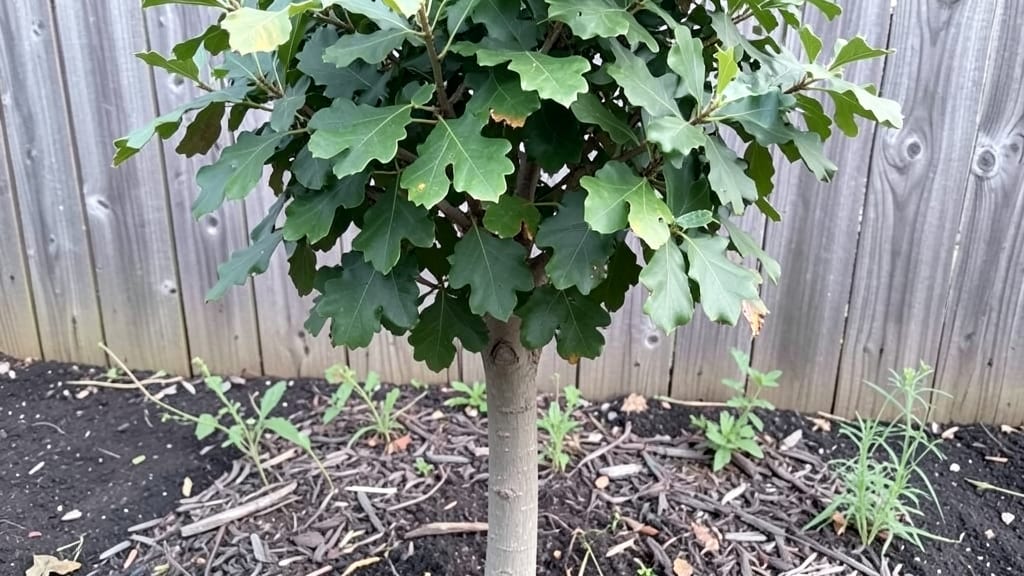
Growing a miniature oak tree turns your yard into a living museum piece with the same majestic character as its giant cousins—just in a 3-foot package. 🌿 I’ve nurtured these little powerhouses for years, and they’re the secret weapon for adding texture, color, and old-world charm to any space, whether it’s a container on your patio or a focal point in your garden.
The key to success starts with the right variety—dwarf cultivars like ‘Little King’ or ‘Seven Sons’ stay manageable while developing that unmistakable oak silhouette.
You’ll need well-draining soil, a spot with 6+ hours of sunlight daily, and patience, because these trees grow at a snail’s pace (about 6 inches per year). But that slow growth means you’ll enjoy them for decades without the headache of constant pruning.
By the time they’re mature, your miniature oak will have lobed leaves, acorns, and bark that look like a full-sized tree’s—just in miniature. The best part?
They handle containers beautifully, so even renters can enjoy them. Once established, they’re tougher than they look, resisting drought and pests better than most ornamental trees.
Here’s where it gets interesting—these trees can live 50+ years, so your investment in care today pays off for generations.
Whether you’re styling a bonsai, filling a small yard, or adding drama to a mixed border, this guide will show you how to keep yours thriving from seedling to centenarian. Let’s get started!
📚 In This Guide
- What you need
- Instructions
- Tips and common mistakes
- Wrapping up and next steps
What you need
- ● Miniature Oak Tree Sapling: Choose a dwarf variety like Quercus palustris 'Little Gem' or Quercus robur 'Pendula' (2–4" pot size, ~$20–$40 depending on supplier).
- ● Well-Draining Potting Mix: 50% premium cactus/succulent soil + 30% perlite + 20% compost (1 gallon bag, ~$5).
- ● Container: 10–15" diameter pot with drainage holes (terracotta or ceramic, ~$10–$25).
- ● Slow-Release Fertilizer: Balanced 10-10-10 or oak-specific granules (1 lb, ~$8).
- ○ Mulch: 1–2" layer of bark chips or pine straw (optional but recommended for moisture retention, ~$5).
- ● Gloves & Trowel: Gardening gloves (1 pair) and a small trowel for planting (~$5–$10).
- ● Watering Can: With a narrow spout for precise hydration (1, ~$12).
- ● Pruning Shears: Bypass shears (sterilized, ~$15) for shaping.
- ○ Spray Bottle: For misting leaves (optional, ~$5).
- ● Sunlight Spot: 6+ hours of indirect light daily (south-facing window or grow light, ~$20–$50 if needed).
- ● Patience: Dwarf oaks grow slowly—expect 6–12" height gain per year! 🐢
- ● 🌡️ Temperature: Keep soil 60–75°F (15–24°C). Avoid drafts or freezing temps!
- ● ✨ Bonus: Add a layer of pebbles at the pot’s bottom for extra drainage.
- ● 🎯 Soil Test: Use a pH kit (~$10) to ensure your mix is slightly acidic (6.0–7.0).
Step-by-Step instructions for cultivating miniature oak trees
Here's the proven method I use to grow healthy, slow-growing dwarf oaks that thrive in containers or small landscapes.
🌱 Step 1: Select the Right Dwarf Variety and Site
Choose a cold-hardy dwarf oak like 'Burgundy Spire' or 'Emerald Sentinel'—these varieties stay under 6 feet tall while maintaining oak characteristics. Miniature oaks need full sun (6+ hours daily) and well-draining soil. If planting in containers, use a 15-gallon pot for each tree to accommodate root growth.
Test your soil's drainage by digging a 6-inch hole and filling it with water. If it drains in under 2 hours, your site is suitable. Amend heavy clay with 2-3 inches of coarse sand or compost to improve aeration. Avoid low-lying areas where water pools after rain.
🪴 Step 2: Plant at the Correct Depth and Stake for Support
Dig a hole twice as wide as the root ball but no deeper than the container. Gently remove the tree from its nursery pot and loosen any circling roots with your fingers. Position the tree so the top of the root ball sits 1 inch above ground level—this prevents stem rot from sitting water.
Backfill with native soil mixed with compost (use 1 part compost to 3 parts soil). Water deeply to settle the soil, then add a 3-foot tall stake placed 3 inches from the trunk. Secure with soft tree ties (not wire) to prevent trunk damage as the tree grows. Mulch with 2-3 inches of wood chips, keeping mulch 6 inches away from the trunk to prevent rot.
☀️ Step 3: Water Deeply and Establish a Consistent Routine
Water immediately after planting to remove air pockets, then once weekly for the first month. Check moisture by sticking your finger 2 inches into the soil—if it feels dry, water deeply until it runs out the drainage holes. Overwatering is the biggest killer of young dwarf oaks, so let the top 1-2 inches of soil dry between waterings.
After the first month, reduce watering to every 10-14 days unless your area experiences extreme heat. Miniature oaks develop deep roots over time, so deep watering encourages drought resistance. Avoid wetting the leaves to prevent fungal diseases like powdery mildew.
✂️ Step 4: Prune for Shape and Health in Late Winter
Prune before new growth begins (late winter or early spring) to remove dead, crossing, or weak branches. Use clean, sharp pruners to make cuts just above a bud or branch collar. Never remove more than 25% of the tree's foliage in one season—dwarf oaks are slow growers and need all their energy for establishment.
Shape the tree by selectively trimming to encourage a balanced canopy. Focus on opening the center to improve air circulation, which reduces disease risk. Avoid heavy pruning in fall—new growth won't harden off before winter, leaving tender shoots vulnerable to frost damage.
🌿 Step 5: Fertilize Sparingly and Monitor for Pests
Apply a balanced, slow-release fertilizer (10-10-10) in early spring at half the recommended rate. Miniature oaks are slow growers and don’t need heavy feeding—over-fertilizing leads to weak, leggy growth. Water the tree 24 hours before and after fertilizing to prevent root burn.
Inspect leaves monthly for aphids, spider mites, or scale insects—common pests on young oaks. Treat infestations early with neem oil spray or insecticidal soap, applying in the early morning or late evening to avoid harming beneficial insects. Healthy dwarf oaks rarely need pesticides if planted in well-draining soil and given proper sunlight.
Tips & tricks for perfect miniature oak tree cultivation
These game-changing strategies will help you avoid the most common pitfalls and grow thriving dwarf oaks that stay healthy for decades.
Site Selection Secrets: Real talk: I learned this the hard way after losing three young dwarf oaks to poor drainage. That 2-hour drainage test in Step 1 isn't just a suggestion—it's critical. If your soil drains slower, mix in 2-3 inches of coarse sand or compost to create that perfect well-draining environment. For container growing, choose a 15-gallon pot with drainage holes—this prevents root rot that can kill even the hardiest dwarf varieties.
Planting Depth Precision: The 1-inch elevation above ground level in Step 2 prevents stem rot, but here's what nobody tells you: Use a small wooden stake to mark the original soil line before planting. This visual reference helps you position the root ball perfectly. And when securing that 3-foot stake, use soft tree ties—not wire. I've seen too many trees with wire cuts that take years to heal.
Watering Wisdom: The once-weekly watering in Step 3 sounds simple, but timing matters. Water in the early morning so foliage dries quickly, preventing fungal diseases. And that 2-inch soil moisture check? Stick your finger in—if it feels dry, water until it runs out the drainage holes. Overwatering is the silent killer of dwarf oaks, so let the top 1-2 inches dry between waterings, even if it means breaking your weekly habit during rainy periods.
Pruning Pro Tips: When you prune in Step 4, focus on creating an open center that improves air circulation. Here's my breakthrough: Use a small mirror to check hard-to-see branches. I've found hidden dead branches that would have caused bigger problems later. And remember, those clean, sharp pruners should be sterilized with rubbing alcohol between cuts to prevent disease spread.
Pro Tips for Miniature Oak Tree
- These game-changing strategies will help you avoid the most common pitfalls and grow thriving dwarf oaks that stay healthy for decades.
- Site Selection Secrets: Real talk: I learned this the hard way after losing three young dwarf oaks to poor drainage.
- Planting Depth Precision: The 1-inch elevation above ground level in Step 2 prevents stem rot, but here's what nobody tells you: Use a small wooden stake to mark the original soil line before planting.
Frequently asked questions
How long does it take for a miniature oak tree to mature?
A miniature oak (like Quercus robur ‘Fastigiata’ or Quercus ilex ‘Pyramidalis’) typically reaches its mature height (6–15 feet) in 10–20 years, but dwarf varieties can stay compact for decades. Patience pays off—these trees grow slowly but live for centuries! Prune lightly in early spring to encourage fullness.
Do miniature oaks need full sun, or can they tolerate shade?
While oaks thrive in full sun (6+ hours/day), dwarf varieties like Quercus palustris ‘Compacta’ can handle partial shade (3–6 hours). Avoid deep shade—they’ll grow leggy and sparse. If planting near buildings or other trees, choose a sun-tolerant variety (e.g., Quercus coccinea ‘Compacta’) for best results.
Can I grow a miniature oak from an acorn?
Yes! But expect low success rates—only 1–5% of acorns sprout. For faster results, buy a nursery-grown dwarf sapling (grafted for stability). If DIY-ing: stratify the acorn (cold-moist treatment for 3 months), plant in well-draining soil, and keep it warm (70°F) until germination (weeks to months). Patience is key!
What pests or diseases should I watch for on my miniature oak?
Common threats include:
- Oak wilt: Fungal disease causing leaf drop. Remove infected branches immediately and avoid overwatering.
- Scale insects: Sticky residue on leaves? Spray with neem oil or insecticidal soap.
- Borers: Look for exit holes. Prune damaged wood and apply systemic insecticide if severe.
Prevent issues with regular inspections and mulch to deter pests.
Are miniature oaks good for containers or better planted in the ground?
Dwarf oaks can thrive in containers (15–20 gallon pots) for 3–5 years, but they’re long-term ground plants. If potted:
- Use fast-draining mix (60% soil, 30% perlite, 10% compost).
- Repot every 2–3 years to prevent root binding.
- Move indoors in winter (if temps drop below 10°F).
For permanent beauty, ground planting is ideal—they’ll develop deeper roots and better resilience.
Wrapping up and next steps
Growing a miniature oak tree is a rewarding way to bring nature’s elegance to your space—whether it’s a cozy balcony, a sunny patio, or even indoors! 🌿 With the right dwarf variety, care, and patience, you’ll enjoy its lush foliage and timeless charm for years.
The key lies in selecting the perfect species, providing consistent sunlight and water, and pruning thoughtfully to encourage healthy growth.
Ready to transform your outdoor (or indoor!) oasis? Start by picking your favorite miniature oak and follow the steps outlined above. Before you know it, you’ll be the proud caretaker of a tiny, mighty tree that adds beauty and tranquility to your surroundings. Happy growing! 🌱✨