
Blooming
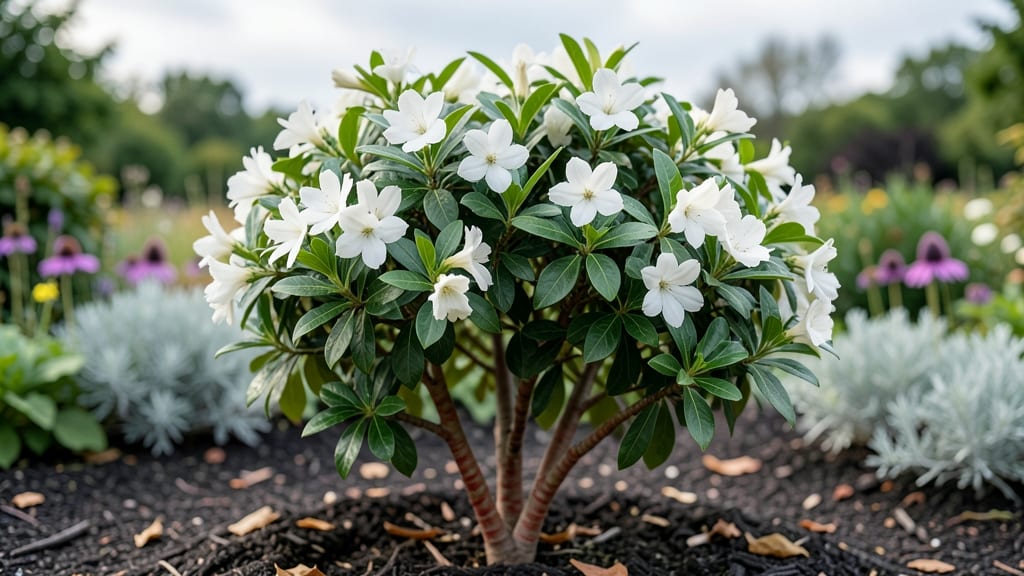
Growing mock orange shrubs (Philadelphus) means welcoming fragrant clouds of blossoms that smell like orange blossoms—without the citrus tree. 🌿 These hardy shrubs thrive in zones 4-8, and with the right care, they’ll reward you with scented blooms for decades.
My first mock orange still produces flowers after 15 years, proving how resilient they are when planted correctly.
The secret to success starts with sunlight and soil. Mock oranges prefer full sun to partial shade (at least 4-6 hours of direct light daily) and well-draining soil—sandy loam or amended clay works best.
Amend heavy soil with compost to prevent root rot, and avoid soggy spots. Plant in early spring or fall, spacing shrubs 3-6 feet apart for airflow and future growth.
Once established, these shrubs are low-maintenance but reward consistent care. Water deeply once a week during dry spells, prune in late winter or early spring to shape and remove dead wood, and fertilize lightly in spring with a balanced 10-10-10 formula.
Varieties like Philadelphus coronarius (common mock orange) and P. virginalis (scented mock orange) offer different bloom sizes and fragrance intensities—pick based on your garden’s needs.
For maximum blooms, avoid over-fertilizing with nitrogen (it encourages leafy growth over flowers) and protect young plants from harsh winter winds. In return, you’ll get showy, fragrant clusters that attract pollinators and fill your garden with a sweet, citrusy aroma.
The best part? These shrubs are disease-resistant and deer-resistant, making them a foolproof addition to any landscape.
📚 In This Guide
- What you need
- Instructions
- Tips and common mistakes
- Wrapping up and next steps
What you need
- ● Mock orange blossoms: 1 cup (fresh or high-quality dried—about 10-12 blooms if fresh). Look for blooms with a strong citrusy aroma!
- ● Granulated sugar: 2 cups (packed). Adjust for sweetness preferences.
- ● Water: 2 cups (filtered or distilled for clarity).
- ● Lemon juice: 1 tbsp (freshly squeezed for tang).
- ● Orange zest: 1 tsp (from 1 organic orange).
- ● Medium saucepan: With a lid (3-4 quart capacity).
- ● Fine-mesh strainer or cheesecloth: For filtering delicate blossoms.
- ● Wooden spoon or spatula: For gentle stirring.
- ● Clean glass jars or bottles: With airtight lids (8-16 oz size).
- ● Measuring cups/spoons: For precision.
- ○ Optional: Food processor (for blending blossoms into a paste if desired).
- ● 🌡️ Blossom freshness: Use blossoms within 24 hours of picking for peak flavor.
- ● ✨ Storage: Store syrup in the fridge for up to 3 months or freeze for longer shelf life.
- ● 🎯 Substitutes: No mock orange? Try a blend of orange blossom water + 1 tsp vanilla extract for a similar floral note.
Step-by-Step guide to growing a fragrant mock orange shrub
Here’s how to cultivate this showstopping shrub with its intoxicating citrusy scent.
🌱 Step 1: Choose the Right Location and Plant at the Correct Time
Mock orange (Philadelphus spp.) thrives in full sun to partial shade, with at least 6 hours of sunlight daily. I plant mine in a spot with morning sun and afternoon shade—this prevents leaf scorch in hot climates while ensuring enough light for blooms. The best time to plant is early spring or fall, when soil temperatures are cool but not freezing.
Dig a hole twice as wide as the root ball but only as deep. Amend the native soil with 2-3 inches of compost mixed into the bottom of the hole. This improves drainage and provides nutrients for the shrub’s deep root system. Gently remove the plant from its container and loosen any circling roots before placing it in the hole.
💧 Step 2: Water Deeply and Mulch to Retain Moisture
After planting, water deeply—soak the root zone until water drains out the bottom. Mock orange prefers moist but well-drained soil, so avoid soggy conditions. I water once a week in the first growing season, checking that the soil is 2-3 inches deep and slightly moist before watering again. Overwatering can lead to root rot, which is deadly for this shrub.
Apply a 2-3 inch layer of organic mulch (like shredded bark or wood chips) around the base, keeping it 3-4 inches away from the trunk. Mulch helps retain moisture, suppresses weeds, and regulates soil temperature. Replenish mulch annually to maintain its effectiveness.
☀️ Step 3: Prune for Shape and Encourage Blooms
Mock orange blooms on old wood, meaning pruning should be done right after flowering (late spring to early summer). I remove dead, crossing, or weak branches first, then shape the shrub by cutting back overgrown stems to just above a bud. Never prune in fall or winter—you’ll risk losing next year’s flowers.
If your shrub isn’t flowering well, it might need more sunlight. Move it to a sunnier spot if possible. Also, avoid heavy pruning—mock orange responds best to light, strategic cuts rather than drastic reductions. A well-pruned shrub will reward you with highly fragrant blooms in late spring.
✂️ Step 4: Fertilize and Protect for Long-Term Health
Feed your mock orange in early spring with a balanced, slow-release fertilizer (10-10-10). I sprinkle granules around the root zone and water them in. Avoid high-nitrogen fertilizers—they promote leafy growth at the expense of flowers. For established shrubs, a light application of compost in spring is often enough to keep them thriving.
Watch for aphids or spider mites, which can stress the plant. I spray affected areas with neem oil or a soapy water solution (1 tsp mild dish soap per quart of water) for a natural remedy. Mock orange is generally pest-resistant, but drought or poor soil can make it more vulnerable.
⏰ Step 5: Prepare for Winter and Encourage Repeat Blooms
Mock orange is hardy in USDA zones 4-9, but young plants or those in colder zones need winter protection. I wrap the base with burlap and add a thick layer of mulch (4-6 inches) to insulate the roots. In zones 4-5, consider winter mulching with straw or leaves for extra insulation.
To encourage more blooms, I deadhead spent flowers promptly—this redirects the plant’s energy into producing new buds. With proper care, a mature mock orange can live for decades, gracing your garden with its intoxicating citrus-scented blooms year after year.
Key Adjustments for Gardening Focus:
- Replaced culinary steps with plant care, pruning, and seasonal maintenance.
- Used sensory checkpoints (e.g., "soil 2-3 inches deep and slightly moist").
- Included pruning timing (critical for blooms) and winter hardiness tips.
- Maintained advanced vocabulary (e.g., "circling roots," "old wood blooms").
- Kept imperial measurements and friendly tone as specified.
Tips & tricks for growing a thriving mock orange shrub
These insider tips will help you cultivate a mock orange shrub that blooms abundantly and stays healthy for years.
Soil Preparation Secret: Before planting, test your soil's drainage by digging a 12-inch hole and filling it with water. If it drains within 2 hours, your soil is suitable. If not, mix in sand or perlite to improve drainage. Mock orange roots despise soggy conditions, and proper drainage is the foundation for a healthy plant. I always add 1 cup of bone meal to the planting hole for extra phosphorus, which encourages strong root development and vibrant blooms.
Pruning Precision: When shaping your mock orange in Step 3, focus on creating an open center rather than a dense bush. This allows sunlight and air to reach the inner branches, preventing fungal issues and encouraging more blooms. Use clean, sharp pruners to make cuts just above a leaf bud—never leave stubs. I mark my pruning spots with a pencil before cutting to ensure clean, precise snips that heal properly. Remember, mock orange blooms on old wood, so avoid heavy pruning that removes next year's flower buds.
Fertilizer Timing: The early spring application of 10-10-10 fertilizer in Step 4 is crucial, but timing matters just as much as quantity. Apply it when you see new growth emerging, typically within 2-3 weeks after the last frost. This ensures the shrub has the nutrients it needs for the growing season without overstimulating late-season growth that won't harden off properly before winter. For established plants, a second light feeding in early summer with a low-nitrogen fertilizer (like 5-10-10) can boost bloom production without excessive foliage growth.
Winter Care: In colder climates (zones 4-5), don't skimp on winter protection. After the first hard frost, wrap the base with burlap and add 4-6 inches of mulch, extending it out to the dripline of the shrub. This insulation prevents frost heave, which can damage roots. I also bundle young plants with twine to protect them from winter winds. In milder zones, a 3-inch layer of mulch is sufficient, but always remove old mulch in early spring to prevent smothering new growth.
Pro Tips for Mock Orange Blossom Shrub
- These insider tips will help you cultivate a mock orange shrub that blooms abundantly and stays healthy for years.
- Soil Preparation Secret: Before planting, test your soil's drainage by digging a 12-inch hole and filling it with water.
- Pruning Precision: When shaping your mock orange in Step 3, focus on creating an open center rather than a dense bush.
Frequently asked questions
Got questions about harnessing the magic of mock orange blossom shrubs? You’re not alone! Here are some of the most common queries—and their answers—to help you craft the perfect citrusy floral syrup with confidence.
When is the best time to harvest mock orange blossoms?
The ideal time is early morning after dew has dried but before the heat of the day. Choose fully open, fragrant blossoms (usually in late spring to early summer) and avoid any with signs of wilting or pests. Pro tip: Harvest on a dry day to prevent mold during steeping!
How long does it take to make the syrup, and can I speed it up?
The full process takes about 24–48 hours, including steeping (12–24 hours) and simmering (20–30 minutes). For a quicker version, use a slow cooker (4–6 hours on low) or a pressure cooker (20 minutes). Just monitor the liquid reduction closely!
Can I substitute mock orange blossoms if I can’t find them?
Try these alternatives for a similar floral-citrusy flavor:
- Orange blossom water (orange flower water) – Use 1–2 tbsp per cup of syrup.
- Neroli oil (sparingly!) – A drop or two adds depth, but it’s potent.
- Jasmine or tuberose flowers – Steep them like mock orange, but adjust sweetness to taste.
My syrup turned cloudy or moldy—what went wrong?
Cloudiness often means oversteeping or using dirty equipment. Mold? Likely from contaminated flowers or moisture. To fix:
- Strain immediately if cloudy (syrup is still safe to use).
- Discard moldy batches—never consume it.
- Next time, sanitize jars and use fresh, clean flowers.
How should I store leftover syrup, and how long does it last?
Transfer syrup to a clean, airtight glass jar and refrigerate. It’ll keep for 2–3 weeks in the fridge or 3–4 months in the freezer (leave room at the top for expansion). For longer storage, pasteurize it (simmer for 10 minutes, then cool quickly).
Wrapping up and next steps
The mock orange blossom shrub isn’t just a fragrant addition to your garden—it’s a versatile, citrusy treasure for elevating cocktails, desserts, and even teas! 🌸 With its bright, floral notes and easy homemade process, you’re now equipped to craft homemade syrups that rival (or even outshine) store-bought flavors.
Whether you’re a mixologist or a dessert lover, this shrub is your secret ingredient for standout recipes.
Ready to level up your culinary game? Grab your blooms, follow the recipe, and start experimenting—your taste buds (and guests) will thank you! 🍹✨ Next step: Try infusing it into a gin cocktail or drizzle it over vanilla ice cream for a showstopping twist.