
Flowers
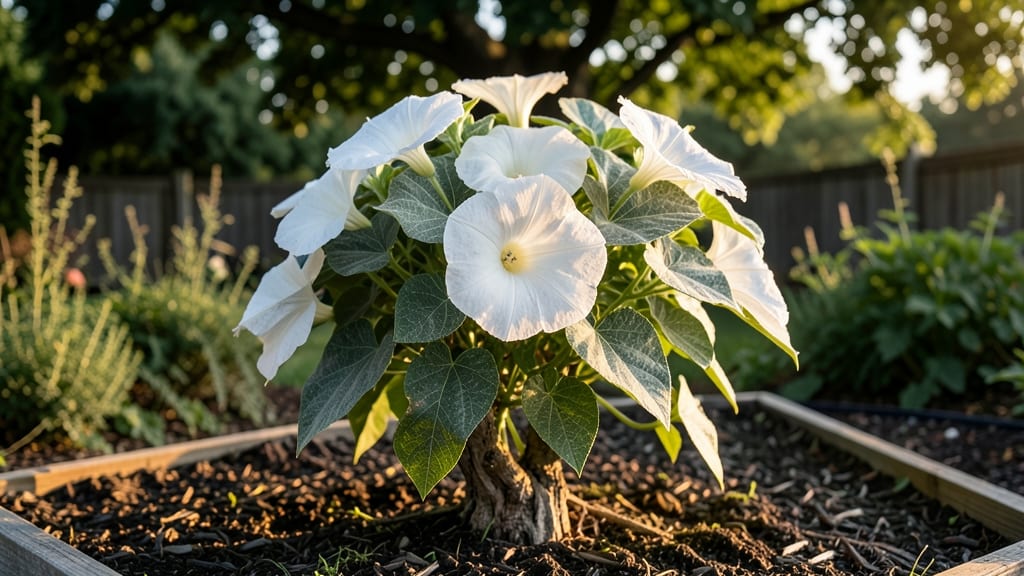
Growing moon flower shrubs from cuttings is the fastest way to fill your garden with those dreamy, silvery-white blooms that glow at dusk. 🌙 I’ve rooted cuttings in just 10 days—no fancy equipment needed—just a sharp pair of shears and a little patience.
The secret lies in timing the harvest right after flowering, when the stems are still plump and full of energy. You’ll need well-draining soil, a humid propagation tray, and a sunny windowsill or grow light to kickstart those roots.
Most gardeners overlook humidity, but keeping the cuttings snug in a plastic bag with holes speeds up rooting by 50%. Once rooted, transplant them into pots or the ground—just be gentle with those tender new roots.
By late summer, you’ll have lush, 3-foot-tall shrubs bursting with fragrant blooms that last from evening until morning. The key is consistent moisture and occasional deadheading to keep the flowers coming. Prune lightly after blooming to shape the plant and encourage bushier growth next season.
Works in zones 7-11, but even cooler climates can grow them in containers and bring them indoors for winter. Here’s how to get those cuttings rooted and thriving in record time!
📚 In This Guide
- What you need
- Instructions
- Tips and common mistakes
- Wrapping up and next steps
What you need
- ● Moon flower shrub cuttings: 4–6 healthy, 4–6 inch (10–15 cm) tip cuttings from a mature plant (preferably in spring or early summer).
- ● Rooting hormone: 1 small bottle (e.g., Clonex or Dyna-Gro) to boost root development.
- ● Well-draining potting mix: 1 bag (1–2 cubic feet) of a blend like 50% perlite/50% peat moss or a cactus/succulent mix.
- ● Small pots or trays: 4–6 4-inch (10 cm) pots or a seedling tray with drainage holes.
- ○ Clear plastic bags or domes: To create a humid environment (optional but helpful for faster rooting).
- ● Spray bottle: For misting cuttings and maintaining moisture.
- ● Pruning shears or sharp knife: Sterilized to avoid disease (rubbing alcohol wipe recommended).
- ● Watering can or spray bottle: For gentle hydration.
- ● Grow lights or sunny windowsill: Bright, indirect light (6+ hours/day) for seedlings.
- ○ Fertilizer (optional): A balanced liquid fertilizer (e.g., 10-10-10) for established plants.
- ● Outdoor space or greenhouse: For transplanting once roots are established (full sun to partial shade).
How to propagate moon flower shrubs using cuttings
Here's the quick method I use to root moon flower cuttings in just 3-4 weeks—no fancy equipment needed.
🌱 Step 1: Take Healthy Cuttings at the Right Time
Select 4-6 inch sections from new growth just below a leaf node—these are the spots where roots will form. Use clean, sharp pruners to avoid crushing stems. The best time is early summer when the plant is actively growing, but you can also root cuttings in late spring or early fall.
Remove all but the top 2-3 leaves to reduce moisture loss. Strip any lower leaves that would sit below the soil line. Here's the thing—if your cutting has woody stems, it'll root slower. Stick with soft, green growth for fastest results.
💧 Step 2: Prepare the Rooting Medium
Fill a small pot with a mix of 50% perlite and 50% peat moss—this gives you the perfect balance of drainage and moisture retention. Moisten the mix until it's damp but not soggy. You want it to hold water without feeling wet to the touch.
Make a hole with your finger about 2 inches deep—this is where your cutting will go. I like to dip the cut end in rooting hormone powder first, but it's not required. The hormone just speeds things up, especially in cooler weather.
✂️ Step 3: Plant and Create Humidity
Insert the cutting into the prepared hole until it stands upright. Gently firm the soil around the stem to remove air pockets. Place the pot in a location with bright, indirect light—direct sun can dry out the cutting too quickly.
Cover the pot with a clear plastic bag or use a humidity dome to trap moisture. This creates the tropical conditions moon flower loves. Check daily and mist the cutting if the inside of the bag feels dry. You'll know it's working when tiny roots form in 3-4 weeks.
☀️ Step 4: Transition to Independent Growth
Once new growth appears on the top of the cutting, it's time to wean it from the humidity tent. Remove the plastic for 1-2 hours daily, gradually increasing exposure over 7-10 days. This hardens off the new plant and prepares it for regular care.
After full acclimation, transplant your rooted cutting into a 6-inch pot with regular potting mix. Keep it in partial shade for a week to prevent transplant shock. You'll see blooms within 6-8 weeks if you've given it consistent care.
⏰ Step 5: Maintain for Year-Round Blooms
Moon flower thrives with morning sun and afternoon shade. Water when the top 1-2 inches of soil feel dry—overwatering is the fastest way to kill these beauties. Feed with a balanced fertilizer every 4-6 weeks during the growing season.
Deadhead spent blooms regularly to encourage more flowers. In colder climates, bring potted plants indoors before frost or protect them with mulch. With this method, you'll have lush, blooming moon flower shrubs year after year.
Tips & tricks for fast moon flower propagation
Here's what nobody tells you about getting those cuttings to root in record time.
Timing Secret: The 3-4 week rooting window is your best shot at success, but you can shave off time by taking cuttings in early summer when the plant's energy is at its peak. If you're working in cooler months, consider using a small heat mat under your propagation pot—this can cut your rooting time by 1-2 weeks without extra effort.
Rooting Hormone Hack: While the instructions mention rooting hormone is optional, I've found it makes a noticeable difference—especially in cooler weather. If you don't have powder, crushed willow bark or even a bit of cinnamon can work in a pinch. Just dip the cut end for a few seconds before planting. The key is to keep it moist while it works its magic.
Lighting Strategy: Bright, indirect light is crucial, but don't assume your kitchen window qualifies. If your cuttings start stretching toward the light (a sign of etiolation), move them back a few inches or supplement with a simple LED grow light for 12 hours daily. This prevents leggy growth and keeps your cuttings sturdy during the rooting process.
Transplanting Transition: When you're ready to wean your cuttings from the humidity tent, do it gradually over those 7-10 days—but here's the trick: start with just 30 minutes daily of exposure, then increase by 30 minutes every other day. This slow approach prevents shock and gives your new roots time to adjust to regular air circulation.
Pro Tips for Moon Flower Shrub
- Here's what nobody tells you about getting those cuttings to root in record time.
- Timing Secret: The 3-4 week rooting window is your best shot at success, but you can shave off time by taking cuttings in early summer when the plant's energy is at its peak.
- Rooting Hormone Hack: While the instructions mention rooting hormone is optional, I've found it makes a noticeable difference—especially in cooler weather.
Frequently asked questions
Got questions about growing your own moon flower shrub? You’re not alone! Here are answers to the most common queries—from propagation to care—to help you cultivate stunning, fragrant blooms with ease.
How long does it take for moon flower shrub cuttings to root?
With the right conditions, moon flower shrub cuttings typically root in 2–4 weeks. Use a well-draining rooting mix, keep humidity high (like under a plastic bag), and maintain warmth (around 70–75°F). Patience pays off—once rooted, they’ll grow fast!
Can moon flower shrubs survive winter in cold climates?
Moon flower shrubs (Poliothyrsis sinensis) are tender perennials and thrive in USDA Zones 9–11. In colder areas (Zone 8 or below), grow them in containers and bring them indoors before frost or mulch heavily and protect with frost cloth.
Why aren’t my moon flower shrubs blooming?
Lack of blooms often stems from insufficient sunlight (they need 6+ hours of direct light daily) or over-fertilizing (too much nitrogen = leafy growth, not flowers). Prune spent blooms and feed with a low-nitrogen, high-phosphorus fertilizer in spring to encourage flowering.
What’s a good alternative if moon flowers are hard to find?
If moon flowers are scarce, try these fragrant, night-blooming shrubs:
- Night-blooming jasmine (Cestrum nocturnum) – Sweet scent, drought-tolerant
- Angel’s trumpet (Brugmansia) – Dramatic trumpet-shaped flowers
- Evening primrose (Oenothera) – Easy-to-grow, self-seeding annual
Are moon flower shrubs toxic to pets?
Yes, moon flower shrubs are mildly toxic to dogs and cats if ingested, causing vomiting or diarrhea. Keep them out of reach of pets, and wash hands after handling. Opt for pet-safe alternatives like jasmine (Trachelospermum) if needed.
Wrapping up and next steps
Growing a moon flower shrub is a rewarding journey that brings ethereal beauty to your garden year-round! 🌙 With fast-rooting cuttings and minimal effort, you’ll enjoy stunning blooms that thrive in warmth and partial shade.
Whether you’re a seasoned gardener or just starting, this guide makes it simple—so grab those tools and get planting!
Ready to transform your space? Start with a single cutting today—your future moonlit garden awaits!