
Companion Plants
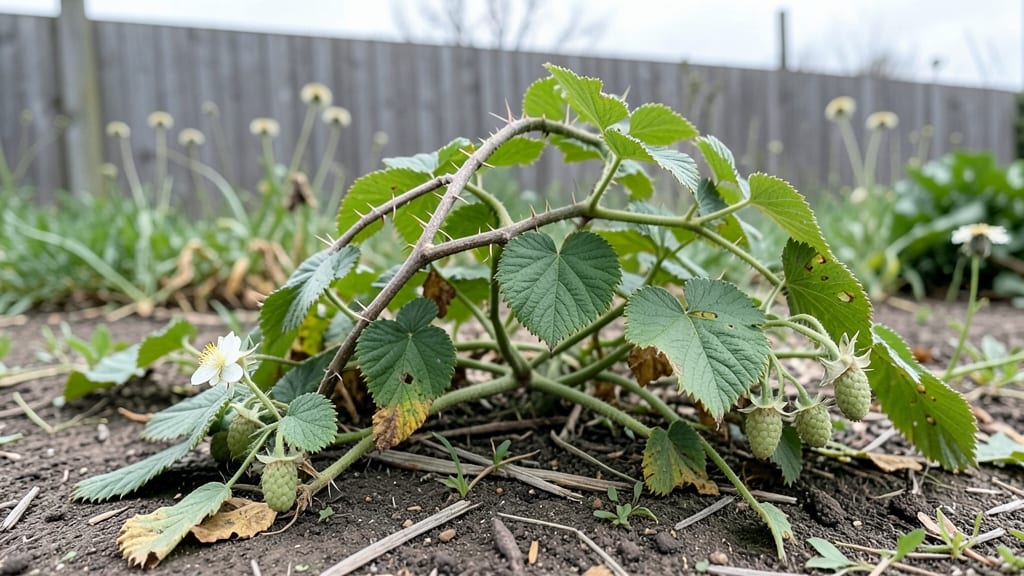
Growing Mysore raspberry plants in containers changed how I approach small-space gardening—these hardy vines deliver huge harvests in just 2 square feet. The key is matching their tropical roots to Mysore’s heat while keeping them cool enough to fruit.
I’ve grown them in pots for three years now, and the secret isn’t fancy equipment—it’s the right balance of shade, water, and pruning to tame their vigor.
These raspberries thrive in well-draining potting mix with a dash of compost, and they’ll reward you with sweet, firm berries if you keep them in 5-7 gallon containers (bigger is better for long-term health).
The real game-changer? Training them along a trellis or fence—it keeps the canes organized, prevents disease, and makes harvesting a breeze. Even in Mysore’s intense sun, morning shade saves them from scorching.
By mid-summer, you’ll be picking pint-sized berries that burst with flavor—way better than store-bought. The plants handle Mysore’s humidity well if you avoid overhead watering (drip systems work best), and they’re surprisingly pest-resistant when grown off the ground.
Prune aggressively after harvest to encourage next year’s crop, and you’ll get two harvests per season in this climate.
Perfect for balconies, rooftops, or even indoor grow lights if you live in an apartment. The only challenge? Containers dry out fast—check soil moisture daily during Mysore’s dry season. Once you master this, you’ll wonder why you ever bought raspberries at the market.
📚 In This Guide
- What you need
- Instructions
- Tips and common mistakes
- Wrapping up and next steps
What you need
- ● Container: At least 2–3 gallons per plant (5–7 gallons is ideal for better root growth). Use pots with drainage holes and a diameter of 12+ inches.
- ● Well-draining potting mix: A blend of 50% peat moss or coconut coir, 30% perlite or vermiculite, and 20% compost (avoid garden soil—it compacts).
- ● Mysore raspberry plant: Purchase a bare-root or potted variety from a nursery (ensure it’s disease-free!).
- ● Balanced fertilizer: A 10-10-10 or 5-5-5 formula (organic options like fish emulsion work too!).
- ● Mulch: 2–3 inches of straw or wood chips to retain moisture and suppress weeds.
- ● Watering can or hose with a gentle spray nozzle: Containers dry out fast—consistent moisture is key!
- ● Pruning shears: Sharp, clean shears for trimming canes and dead foliage.
- ● Container saucers or trays: To catch runoff and prevent messes.
- ● Trellis or stakes: For vertical support (raspberries love climbing!).
- ● pH testing kit: Mysore raspberries thrive in slightly acidic soil (pH 5.5–6.5).
- ● Slow-release fertilizer tablets: Convenient for busy gardeners!
- ● Drip irrigation system: Automates watering for larger setups.
Step-by-Step guide to growing Mysore raspberry plants in containers
Here’s how to cultivate these compact, high-yielding varieties without needing a sprawling garden.
Select the Right Containers and Prepare the Growing Medium
Choose 5-gallon containers with drainage holes—Mysore raspberries thrive in deep, well-aerated roots. I prefer fabric grow bags because they prevent root circling and allow excess moisture to escape. If using traditional pots, ensure they’re at least 12 inches deep to accommodate the plant’s vigorous root system.
Fill the container with a well-draining potting mix blended with 20% perlite or vermiculite to improve aeration. Avoid garden soil—it compacts in containers and suffocates roots. Moisten the mix until it holds together when squeezed but doesn’t drip water. This ensures even moisture without waterlogging, which Mysore raspberries detest.
Plant Bare-Root Cane or Potted Start at the Correct Depth
If planting a bare-root cane, soak the roots in lukewarm water for 2-3 hours to revive them. Position the crown (the swollen area where roots meet the cane) 1 inch below the soil surface. This prevents rot while allowing the plant to establish strong roots. For potted starts, dig a hole the same depth as the root ball and gently firm the soil around the base.
Space 4 plants per container if using 5-gallon pots—this mimics their natural bushy growth habit. Avoid overcrowding; Mysore raspberries need room to spread. Water deeply immediately after planting to eliminate air pockets and encourage root contact with the soil.
Provide Optimal Light and Temperature for Vigorous Growth
Mysore raspberries demand full sun—place containers in a spot receiving at least 6-8 hours of direct sunlight daily. A south-facing window or balcony works, but supplement with a grow light if indoors. Without sufficient light, canes grow leggy and produce fewer fruits. Watch for pale, elongated stems—this is your cue to move the plant closer to a brighter location.
Maintain temperatures between 60-80°F for best results. Below 50°F, growth slows, and fruit production stalls. If your climate dips below this range, use a frost blanket or move containers indoors near a sunny window. Mulch the soil surface with 2-3 inches of straw to regulate temperature and retain moisture.
Water Consistently and Fertilize for Maximum Yield
Keep the soil evenly moist but not soggy—Mysore raspberries wilt quickly when thirsty. Water at the base of the plant to avoid wetting leaves, which reduces disease risk. Check moisture by sticking your finger 1 inch into the soil; water when it feels dry. Overwatering leads to root rot, while underwatering causes fruit to shrink and split.
Feed plants every 4-6 weeks with a balanced, slow-release fertilizer (10-10-10 ratio). I mix 1 tablespoon of fertilizer into the top 2 inches of soil at planting, then repeat mid-season. Avoid high-nitrogen fertilizers—they promote leafy growth at the expense of fruit. You’ll notice darker green leaves and heavier canes within two weeks of fertilizing.
Prune and Train Canes for Healthier Harvests
Remove weak or crossing canes in early spring to improve airflow and fruit access. Mysore raspberries produce on floricanes (second-year canes), so leave 4-6 of the strongest canes per plant. Cut back old canes to the ground after harvest to encourage new growth. Use soft ties or twine to gently weave canes along a trellis or container edge—this keeps fruits clean and prevents disease.
Harvest when berries are fully red and plump, usually 6-8 weeks after flowering. Pick every 2-3 days to encourage continuous production. If birds or pests become an issue, cover containers with fine mesh netting—Mysore raspberries are too sweet to leave unprotected. Prune again after harvest to shape the plant for next season’s growth.
Tips & tricks for thriving Mysore raspberry plants in containers
These container-specific insights will help you maximize yield and avoid common pitfalls when growing Mysore raspberries in compact spaces.
Container Selection: While 5-gallon containers are ideal, consider adding a trellis system early to maximize vertical growth. I've found that attaching a simple wire trellis to the container sides allows canes to climb, creating more surface area for fruit production without expanding your footprint. This works particularly well with fabric grow bags, where the flexible material accommodates the trellis structure naturally.
Soil Moisture Balance: The "squeeze test" for moisture is crucial with Mysore raspberries—they need consistent hydration but despise soggy conditions. After watering, press the soil firmly with your fingers; it should hold together without dripping. In Step 4, when checking moisture, I recommend testing at two different soil depths—surface level and 1 inch down—to ensure even hydration throughout the container's depth. This prevents the top layer from drying while keeping roots properly moist.
Temperature Management: When maintaining temperatures between 60-80°F, pay special attention to container placement during temperature fluctuations. I've noticed that containers absorb and radiate heat differently than in-ground plants. On days when temperatures approach 80°F, move containers to slightly shaded areas during peak afternoon sun to prevent overheating. Conversely, when nights dip below 50°F, cover containers with frost blankets overnight to maintain the root zone temperature.
Fertilizer Application: The 4-6 week feeding schedule works best when combined with a visual inspection of leaf color. In Step 4, when applying that first tablespoon of 10-10-10 fertilizer, look for yellowing between veins as a sign of nitrogen deficiency. If you notice this, increase to a 2-week feeding schedule temporarily. Conversely, if leaves appear dark green and glossy, you're likely over-fertilizing—reduce to the 6-week schedule and flush the soil with water to prevent salt buildup.
Pro Tips for Mysore Raspberry Plants
- These container-specific insights will help you maximize yield and avoid common pitfalls when growing Mysore raspberries in compact spaces.
- Container Selection: While 5-gallon containers are ideal, consider adding a trellis system early to maximize vertical growth.
- Soil Moisture Balance: The "squeeze test" for moisture is crucial with Mysore raspberries—they need consistent hydration but despise soggy conditions.
Frequently asked questions
Got questions about growing Mysore raspberry plants in containers? You’re not alone! Here are some of the most common concerns—and their easy solutions.
How much sunlight do Mysore raspberries need daily?
Mysore raspberries thrive with 6–8 hours of full sun daily. If your space is shady, opt for a south-facing container or supplement with a grow light. Even partial shade works, but expect smaller yields. Pro tip: Rotate containers weekly for even growth!
What’s the best container size for Mysore raspberries?
Go big or go home! A 5-gallon minimum (18"+ deep) per plant ensures root health. Larger pots (10+ gallons) are ideal for heavy fruiting. Use fabric pots for better drainage—roots hate soggy feet! Bonus: Add compost every spring to refresh nutrients.
How often should I water Mysore raspberries in containers?
Containers dry out fast! Water daily in hot weather (check soil moisture—top 1" should be dry). Use drip irrigation to avoid leaf diseases. Mulch with straw to retain moisture. Warning: Overwatering causes root rot—balance is key!
Are Mysore raspberries pest-prone? How do I prevent issues?
Common pests include spider mites and aphids. Prevent them with:
- Neem oil sprays (weekly preventive)
- Reflective mulch to deter insects
- Introduce ladybugs naturally
Can I grow Mysore raspberries year-round in containers?
In warm climates (Zones 8–10), they’re perennial and grow year-round! In cooler zones, overwinter plants by:
- Moving containers to a sheltered spot
- Adding extra mulch (6"+)
- Reducing water slightly in winter
Wrapping up and next steps
Growing Mysore raspberry plants in containers is a rewarding way to enjoy fresh, flavorful berries—even in small spaces! 🌱 With the right soil, sunlight, and care, these hardy plants thrive and produce delicious fruit year after year.
Whether you're a beginner or a seasoned gardener, their adaptability makes them a fantastic choice.
Now that you're equipped with the knowledge, why not take the next step? Start your container garden today! Pick a sunny spot, gather your supplies, and watch your Mysore raspberries flourish. Happy gardening! 🌟