
Trees
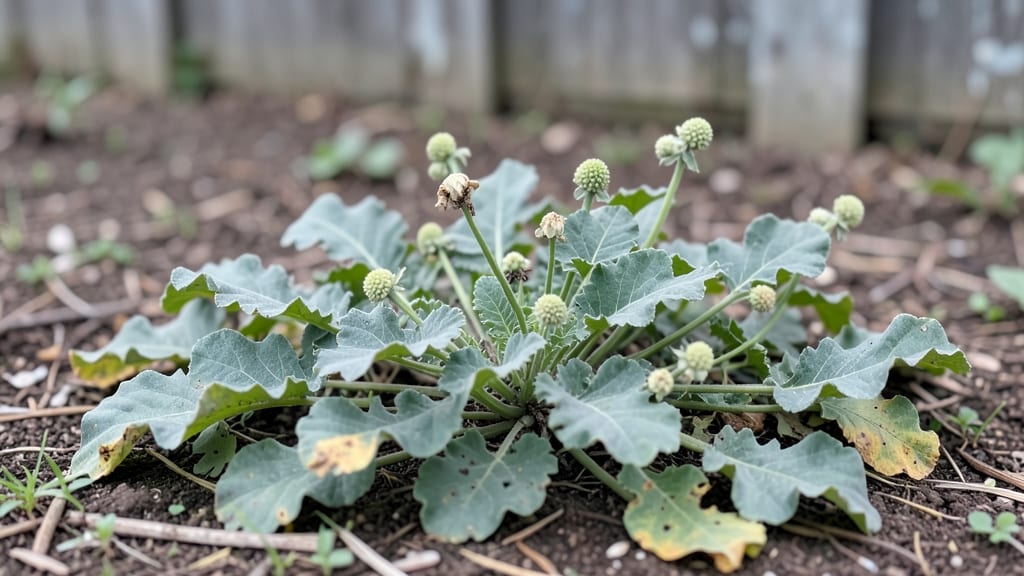
Oak leaf goosefoot thrives where most greens fail—dry, sunny spots that make other plants wilt. 🌿 I fell for this plant after seeing how it survived my neglected corner garden last summer, its silvery leaves shimmering even when everything else looked parched.
It’s not just tough; it’s edible, ornamental, and perfect for small spaces where you need both beauty and bounty.
This drought-resistant annual grows best in zones 2-11, making it one of the most adaptable greens you’ll find. It’s happy in poor soil, tolerates heat, and even handles light frost—ideal for container gardens, raised beds, or that sunny patch you’ve been ignoring.
Start seeds indoors 6-8 weeks before last frost or sow directly after soil warms, spacing them 12 inches apart for full, bushy plants.
Care is minimal: water only when soil feels bone-dry, and pinch back tips to encourage bushier growth. Harvest leaves anytime after 6 weeks, or let it bolt for seeds that birds and gardeners alike will love.
The flavor? Mild, spinach-like, with a hint of earthiness that pairs perfectly with eggs or salads.
Watch for aphids or powdery mildew in humid summers—just spray with water or neem oil to keep it thriving. Once you grow oak leaf goosefoot, you’ll wonder why you didn’t start sooner. It’s the kind of plant that makes gardening feel effortless—and delicious.
📚 In This Guide
- What you need
- Instructions
- Tips and common mistakes
- Wrapping up and next steps
What you need
- ● Seeds: 5–10 Chenopodium giganteum (oak leaf goosefoot) seeds (organic, non-GMO preferred).
- ● Growing Containers: 1–2 5–7 gallon pots (with drainage holes) or
- ● A raised bed (minimum 6" deep) if planting directly in the ground.
- ● Potting Mix: 1 bag (5–10 gallons) of well-draining, nutrient-rich soil (e.g., 60% potting soil + 40% perlite/sand).
- ● Watering Can or Hose: With a gentle spray nozzle (avoid over-saturating seeds).
- ○ Fertilizer (Optional but Recommended): Balanced 10-10-10 fertilizer or
- ● Compost (2–3 cups mixed into soil).
- ● Gloves (to protect hands from prickly stems).
- ● Trowel (for transplanting or soil amendments).
- ● Sunlight Access: Full sun (6+ hours daily) or partial shade (4–6 hours).
- ● Climate: Hardy to USDA Zones 3–10 (ideal for small gardens, balconies, or containers).
- ● Patience! Seeds germinate in 7–14 days (keep soil moist but not soggy).
- ● 🌡️ Temperature: Seeds sprout best in 60–75°F soil.
- ● ✨ Drought-Proofing: Once established, oak leaf goosefoot thrives with minimal watering—perfect for dry climates!
Step-by-Step instructions for growing oak leaf goosefoot in small spaces
This hardy green thrives with minimal fuss—here’s how to grow it successfully in containers or tight garden beds.
🌱 Step 1: Prepare Containers or Garden Bed
Oak leaf goosefoot grows best in well-draining soil, so if using containers, fill them with the 2 gallons of potting mix you’ve set aside. For garden beds, loosen the soil to a depth of 6 inches—this plant hates compacted roots. Mix in 1 cup of compost to boost nutrients without overwhelming the soil.
If your garden soil is heavy clay, amend it with 1 part perlite to improve drainage. The key here is avoiding soggy conditions—this plant’s native to dry regions, so it won’t tolerate wet feet. Test your soil’s moisture by squeezing a handful; it should crumble slightly but not stick together.
🌿 Step 2: Sow Seeds at the Right Depth and Spacing
Scatter the 1 packet of oak leaf goosefoot seeds (about 20-30 seeds) over the prepared soil. Press them lightly into the surface—no need to bury them deeply—since they require light to germinate. For containers, space seeds 2 inches apart; in garden beds, stretch them to 4 inches apart to allow room for bushy growth.
Cover the seeds with a thin layer of vermiculite (about ¼ inch deep) to retain moisture while allowing light penetration. Mist the surface gently with water until the vermiculite looks evenly damp. Avoid soaking the seeds—this can cause them to rot before they sprout.
☀️ Step 3: Provide Sun and Water Wisely
Place your containers or garden bed in a spot with full sun to partial shade—at least 4-6 hours of direct sunlight daily. Oak leaf goosefoot tolerates heat and drought once established, but young seedlings need consistent moisture. Water gently once daily until germination occurs, which typically takes 7-14 days at 65-75°F.
After germination, reduce watering to every 2-3 days, allowing the top inch of soil to dry between waterings. Overwatering is the fastest way to kill this plant—it’s adapted to survive with minimal moisture, not thrive in it. You’ll see first true leaves emerge in 2-3 weeks; at this stage, you can taper watering further.
✂️ Step 4: Thin and Maintain for Harvest
When seedlings reach 2-3 inches tall, thin them to 4 inches apart in containers or 6 inches apart in garden beds. Use clean scissors to snip unwanted plants at soil level—this prevents disturbing roots and keeps the area tidy. Thin plants make excellent pot herbs or microgreens.
Fertilize lightly once a month with ½ teaspoon of balanced organic fertilizer (5-5-5) dissolved in water. Oak leaf goosefoot grows quickly, so harvest outer leaves as needed to encourage bushier growth. The leaves are ready to pick when they reach 3-4 inches long—simply snip with clean scissors, leaving the center growth intact.
🪴 Step 5: Overwinter or Extend the Season
In colder climates, oak leaf goosefoot is an annual, but you can extend its life by bringing potted plants indoors before frost. Place them near a south-facing window or under grow lights for 12-14 hours daily. Reduce watering to once weekly during dormancy, as growth slows dramatically in cooler months.
If you’re in a mild-winter zone, the plant may regrow from the base in spring—simply trim back dead foliage and resume regular care. This green is so resilient that even neglected pots often bounce back with minimal intervention.
Tips & tricks for perfect oak leaf goosefoot growth
Here's what I've learned after growing this resilient green—simple tricks that'll help you avoid common pitfalls and maximize your harvest.
Soil Preparation Secret: If you're unsure about your soil's drainage, do this quick test before planting: Fill a container with your garden soil and water it thoroughly. After 30 minutes, if water pools at the bottom, add more perlite (up to 20% of the mix) to improve drainage. Oak leaf goosefoot's native to dry environments, so well-draining soil is non-negotiable—it's the foundation for everything else to work.
Seed Spacing Strategy: In Step 2, when spacing your seeds 2 inches apart in containers, use a ruler to mark your spacing lines before planting. This prevents overcrowding later when seedlings grow. I've seen people skip this and end up with 10 crowded plants where 4 properly spaced ones would thrive. Trust me on this—proper spacing now means easier thinning later and healthier plants overall.
Watering Wisdom: The 7-14 day germination window at 65-75°F is critical—keep that vermiculite layer consistently moist (not soggy) during this time. I like to use a spray bottle for gentle watering rather than a watering can, as it gives me better control. Once you see those first true leaves appear in 2-3 weeks, let the top inch dry out between waterings. This teaches the plants to develop drought tolerance from the start.
Harvesting Hack: When harvesting leaves at 3-4 inches long, always cut just above a leaf node (the point where leaves attach to the stem). This encourages new growth from that node while keeping the plant bushy. I've found that harvesting every 2-3 weeks actually stimulates more growth—don't be afraid to take what you need!
Pro Tips for Oak Leaf Goosefoot
- Here's what I've learned after growing this resilient green—simple tricks that'll help you avoid common pitfalls and maximize your harvest.
- Soil Preparation Secret: If you're unsure about your soil's drainage, do this quick test before planting: Fill a container with your garden soil and water it thoroughly.
- Seed Spacing Strategy: In Step 2, when spacing your seeds 2 inches apart in containers, use a ruler to mark your spacing lines before planting.
Frequently asked questions
Got questions about growing oak leaf goosefoot? You're not alone!
Whether you're a first-time gardener or a seasoned green thumb, these answers will help you cultivate this drought-resistant superstar with confidence. Let’s dive in!
Is oak leaf goosefoot easy to grow for beginners?
Oak leaf goosefoot is a fantastic choice for beginners because it thrives in poor soil, tolerates drought, and grows quickly. Just plant the seeds in well-draining soil, give them sunlight, and water occasionally. It’s practically foolproof—perfect for small spaces or containers!
How long does it take for oak leaf goosefoot to mature?
From seed to harvest, oak leaf goosefoot typically takes 45–60 days in warm climates. If you’re starting indoors, expect an extra 2–3 weeks before transplanting. For a continuous harvest, succession plant seeds every 2–3 weeks during the growing season.
How often should I water oak leaf goosefoot?
This plant is drought-tolerant, but young seedlings need consistent moisture. Water deeply once a week (or more in extreme heat) to encourage strong root growth. Once established, it can survive on rainfall alone—ideal for low-maintenance gardens!
Can I grow oak leaf goosefoot in containers or small spaces?
Yes! Oak leaf goosefoot is perfect for containers—just use a pot at least 12 inches deep with drainage holes. It grows well in hanging baskets, window boxes, or even as a border plant. With its compact size (1–2 feet tall), it’s a space-saving superstar!
What pests or diseases should I watch for?
Oak leaf goosefoot is generally pest-resistant, but keep an eye out for aphids or spider mites in dry conditions. If needed, spray with water or use neem oil. Overwatering can lead to fungal issues, so ensure good drainage to keep your plants healthy and happy.
Wrapping up and next steps
Growing oak leaf goosefoot is a fantastic way to add hardy, drought-resistant greens to your garden—whether you have a sprawling yard or just a cozy balcony! 🌱 With minimal effort, you’ll enjoy a bountiful harvest of nutritious leaves that thrive where other plants might struggle.
Now that you’re armed with the right materials and answers, it’s time to roll up your sleeves and plant with confidence.
Start small: try a single pot or a few plants in your garden bed, and watch your green thumb grow! 🌿 For even more tips, explore drought-resistant gardening techniques or connect with fellow plant enthusiasts online. Happy growing!