
Trees
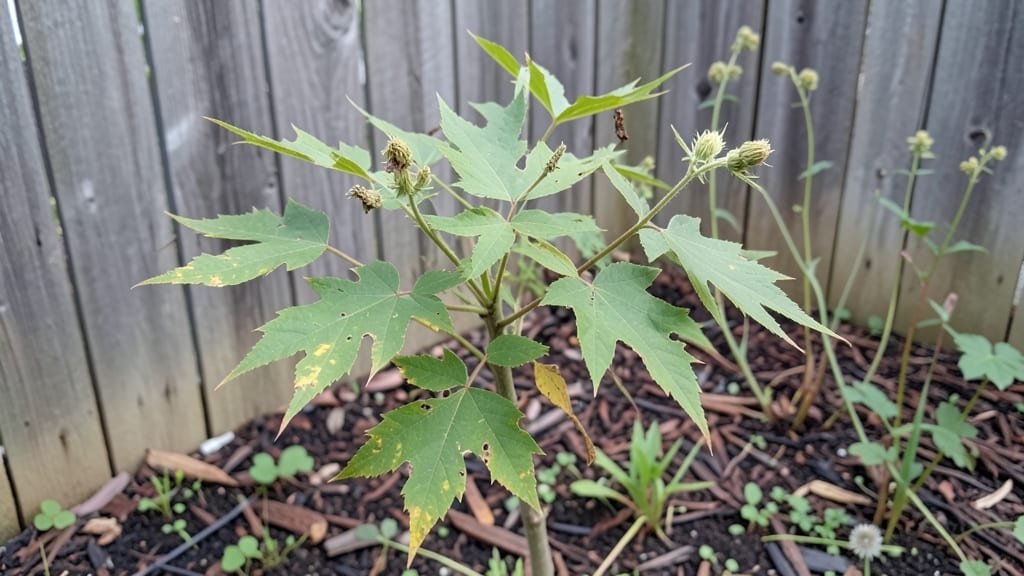
Identifying oak leaf weed is the first step to saving your trees and lawn. 🌿 I’ve spent years pulling these stubborn plants from my yard, and I know how frustrating it can be when they pop up everywhere—especially under oaks.
What looks like innocent ground cover is often a tenacious weed that chokes out grass and weakens tree roots.
The real issue isn’t just the weed itself—it’s how fast it spreads. Without intervention, oak leaf weed forms dense mats that block sunlight, starve your lawn of nutrients, and even invite pests.
The good news? You can regain control with the right approach, whether you prefer organic methods or targeted treatments.
By the end of this guide, your yard will look healthier, with fewer weeds and stronger trees. We’ll cover identification tricks, removal techniques that actually work, and long-term prevention so you don’t have to fight this battle again next spring.
Works for homeowners, gardeners, and anyone tired of battling weeds under their trees. Let’s get started—your lawn (and trees) will thank you.
Understanding The Root Causes
When those pesky oak leaf weed plants start popping up around your trees, it’s not just a random nuisance—it’s often a sign of underlying issues in your yard’s ecosystem. Let’s break down why this problem happens so you can tackle it effectively.
Oak leaf weed thrives in environments where native plants struggle—often because the soil lacks the right balance of nutrients, water, or organic matter. Here’s why:
- Compacted Soil: Heavy foot traffic, construction, or machinery can compress the soil, reducing oxygen flow to roots. This creates a low-competition zone where weeds like oak leaf weed take over.
- Low Nutrient Levels: If your soil is depleted of nitrogen, phosphorus, or potassium, grass and desirable plants weaken, leaving gaps for weeds to invade.
- Poor Drainage: Waterlogged or clay-heavy soil suffocates roots, making it harder for trees and grass to outcompete weeds.
Actionable Fix: Test your soil’s pH and nutrient levels (aim for a pH of 6.0–7.0 for most trees). Amend with compost or organic matter to improve structure and fertility.
Oak leaf weed often flourishes in two extreme scenarios: areas with too much sun (burning out grass) or too much shade (suppressing growth). Here’s how it plays out:
- Full Sun Exposure: Thin or dead grass leaves bare patches where weeds germinate easily. Oak leaf weed’s deep roots help it survive drought better than shallow-rooted grass.
- Deep Shade Under Trees: Most lawn grasses struggle in low-light conditions, creating a weed-friendly vacuum. Oak leaf weed adapts to partial shade better than many competitors.
Actionable Fix:
- For sunny spots: Overseed with drought-tolerant grass varieties like Buffalo grass or Zoysia.
- For shaded areas: Plant shade-tolerant ground covers like Clover or Creeping Charlie to outcompete weeds.
Watering problems—whether overwatering or underwatering—create the perfect storm for oak leaf weed. Here’s why:
- Overwatering: Excess moisture washes away nutrients and encourages shallow root growth in grass, while weeds like oak leaf weed develop deeper, more resilient root systems.
- Underwatering: Drought-stressed grass turns brown and dies back, leaving open spaces for weed seeds to sprout and establish.
- Inconsistent Watering: Random moisture fluctuations prevent grass from forming a dense mat, giving weeds an edge.
Actionable Fix:
- Water deeply but infrequently (1–1.5 inches per week) to encourage deep grass roots.
- Use a rain sensor or smart irrigation system to maintain consistency.
- Mulch around trees to retain moisture and suppress weeds naturally.
Neglecting basic lawn care gives oak leaf weed a competitive advantage. Common oversights include:
- Infrequent Mowing: Tall grass blocks sunlight, creating a humid microclimate where weed seeds germinate. Oak leaf weed’s upright growth habit lets it rise above the competition.
- Skipping Fertilization: Weak grass can’t crowd out weeds. A slow-release, nitrogen-rich fertilizer (applied in early spring) helps grass outcompete invaders.
- No Overseeding: Thin lawns develop bare spots where weeds take hold. Overseeding in fall fills gaps before weeds can establish.
Actionable Fix:
- Mow regularly (height: 3–4 inches for most grasses) to smother weeds.
- Fertilize in early spring and fall for a lush, competitive lawn.
- Overseed bare patches in early fall when conditions are ideal for grass growth.
Pro Tip: 🌱 Pre-emergent herbicides applied in early spring can prevent oak leaf weed seeds from germinating, but choose products labeled for broadleaf weeds and follow application timing carefully to avoid harming trees.
Quick Fixes for Leafy Invaders
Dealing with unsightly oak leaf weed (or other broadleaf weeds) can feel like a never-ending battle, but with the right approach, you can reclaim your yard or garden.
Below, we’ve mapped out practical solutions based on the root causes we covered earlier—whether it’s poor soil health, overwatering, or lack of maintenance. Each fix is designed to be easy to follow and long-lasting, so you can enjoy a weed-free space without breaking the sweat.
Problem: Compacted, nutrient-poor, or shaded soil gives weeds the perfect home to thrive.
Solution:
- 🔥 Loosen the Soil – Use a garden fork or aerator to break up compacted areas around your oak tree. This improves drainage and root growth for your tree and makes it harder for weeds to take hold.
- 🍳 Add Organic Matter – Mix in 3–4 inches of compost or well-rotted manure to enrich the soil. Weeds struggle to compete in healthy, nutrient-rich dirt.
- 👨🍳 Mulch Like a Pro – Apply a 2–4 inch layer of mulch (wood chips, pine straw, or shredded leaves) around the base of your oak, but keep it 6+ inches away from the trunk to prevent rot. Mulch blocks sunlight, which weeds hate.
💡 Pro Tip: If your soil is extremely compacted, consider top-dressing with a thin layer of sand (for sandy soils) or peat moss (for clay-heavy soils) before adding mulch.
Problem: Weeds love moisture—too much water creates a weed paradise.
Solution:
- 🌡️ Water Deeply but Less Often – Instead of daily light sprinkles, water deeply 1–2 times per week (early morning is best). This encourages oak roots to grow deeper, outcompeting shallow weed roots.
- ⏰ Adjust for Season – Reduce watering in fall and winter (weeds slow down naturally) and increase slightly in spring and summer when growth speeds up.
- 🎯 Use a Soaker Hose – Direct water to the base of your oak tree (not the leaves) to avoid creating a soggy weed magnet zone.
✨ Bonus: If your yard has low spots where water pools, grade the area slightly to improve drainage.
Problem: Chemical-free? No problem. Weeds can be pulled—properly.
Solution:
- 🍳 Pull When Soil is Moist – Wait for a rainy day or water the area first—wet soil makes weeds easier to remove root and all.
- 👨🍳 Use the Right Tool –
- Hand-pulling: Best for small weeds. Grab the base of the weed (not the leaves) and wiggle it out.
- Weed torch (for large areas): Use in dry conditions—the heat kills weeds instantly (but stay safe: don’t burn mulch or dry grass).
- Hoe or Weeder Tool: Great for stubborn weeds. Slide the tool just under the weed’s root and lift.
- 🔪 Check for Regrowth – If you see new sprouts, dig deeper—some weeds (like clover or chickweed) have deep taproots.
💡 Pro Tip: Never pull weeds when the ground is dry—you’ll just snap the plant, leaving the root behind to regrow.
Once you’ve tackled the existing weeds, keep them from coming back with these low-effort habits:
| Prevention Step | How to Do It | Why It Works |
|---|---|---|
| 🌿 Regular Mulching | Replenish mulch once a year (spring). | Blocks sunlight and retains moisture. |
| 🌱 Overseed Bare Spots | Plant grass or clover in thin areas. | Crowds out weeds by covering soil. |
| 🍂 Leaf Litter Strategy | Leave shredded leaves under trees. | Smothers weeds naturally as they decompose. |
| 🔄 Rotate Tools | Clean gardening tools between uses. | Prevents spreading weed seeds. |
| 🌞 Prune for Sunlight | Thin overgrown branches to let sunlight hit the ground. | Weeds need shade—starve them! |
If your oak tree is stressed, diseased, or the weed problem is massive, it might be time to bring in a certified arborist or landscape professional.
They can: - Assess tree health and recommend targeted treatments. - Apply pre-emergent herbicides (if needed) in early spring before weeds sprout. - Suggest alternative ground covers (like creeping thyme or moss) to replace weeds naturally.
Final Thought: The key to beating leafy invaders is consistency. Spend 10–15 minutes weekly on prevention, and your oak tree (and your sanity) will thank you! 🌳💪
Frequently asked questions
What exactly is oak leaf weed, and how do I tell it apart from other weeds?
Oak leaf weed (often Elatostema or Abutilon species) has distinctive lobed, oak-shaped leaves that grow in clusters. Unlike dandelions or clover, its leaves resemble miniature oak foliage, and it typically forms dense mats near tree bases or shaded areas. Check for hairy stems and small yellow flowers in summer to confirm.
Is oak leaf weed harmful to my oak trees or other plants?
While not toxic, oak leaf weed can strangle tree roots by blocking sunlight and nutrients. Its dense growth also creates a humid environment that attracts pests like slugs and fungi. Left unchecked, it weakens grass and young trees by competing for resources. Regular removal prevents long-term damage.
Can I use vinegar to kill oak leaf weed without harming my oak tree?
Yes, but with caution! A 20% vinegar solution (1 part vinegar to 4 parts water) works on small patches, but avoid spraying near tree bark or roots—vinegar can burn sensitive foliage. For larger areas, use a targeted spray bottle and apply on a dry, sunny day. Test a small area first to check for damage.
How often should I mulch to prevent oak leaf weed from returning?
Apply a 2–3 inch layer of mulch (wood chips or straw) around your oak tree once a year in early spring. Refresh mulch annually to maintain its weed-blocking effect. Keep mulch 6+ inches away from the tree trunk to prevent rot and pests. Mulch suppresses weeds by blocking sunlight and retaining moisture.
What’s the best time of year to remove oak leaf weed?
Target removal in early spring (before weeds spread) or late summer (when growth slows). Pull weeds after rain when soil is soft, or use a weed torch in dry conditions. Avoid treating in winter—dormant weeds are harder to eradicate, and cold weather can stress your oak tree.