
Shrubs
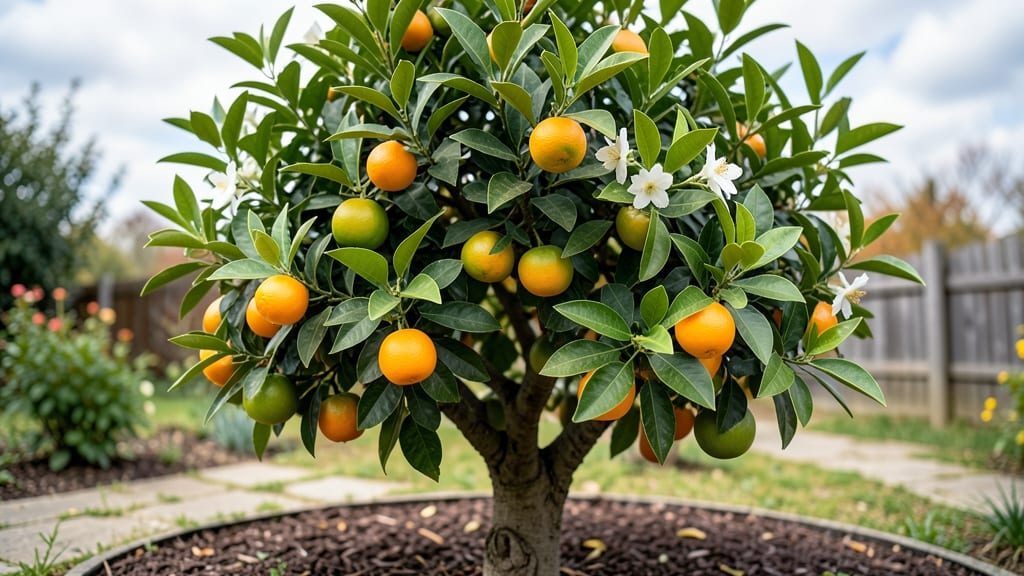
Growing orange bells shrub (Tecoma capensis) means sunshine-yellow blooms that turn heads all summer. 🌸 I planted mine last spring, and now it’s covered in trumpet-shaped flowers that hummingbirds adore—plus, it’s one of the few shrubs that thrives in heat without fuss.
The key? Mimicking its natural habitat in South Africa with well-draining soil and full sun exposure.
This shrub’s drought-tolerant once established, but young plants need consistent moisture—think 1-2 inches per week during dry spells. A sandy, slightly alkaline soil mix works best, and I’ve found it handles poor soil better than most.
Prune lightly after flowering to shape it, but avoid heavy cuts unless you want to sacrifice next year’s blooms.
Pests rarely bother it, but watch for aphids on new growth—spray with water or neem oil if needed. The real magic happens in zones 9-11, where it grows into a 6-foot-tall stunner, but it’ll also thrive in containers in cooler climates.
Just give it a sunny spot and minimal care, and you’ll have a pollinator magnet for years.
Pro tip: Plant it near patios or walkways—its fragrant blooms release a citrusy scent that’s perfect for summer evenings. And if you’re worried about invasiveness, don’t be: it stays contained unless you live in Florida, where it’s considered a mild escapee. Start with one, and you’ll be hooked.
📚 In This Guide
- What you need
- Instructions
- Tips and common mistakes
- Wrapping up and next steps
What you need
- ● 1 lb (16 oz) fresh oranges – Use a mix of sweet and tart varieties (like Valencia or blood oranges) for balanced flavor.
- ● ½ cup granulated sugar – Adjust to taste if you prefer sweeter or tartier shrub.
- ● ½ cup apple cider vinegar – A mild, fruity vinegar works best for depth of flavor.
- ● 1 cup water – Filtered or distilled water is ideal to avoid impurities.
- ● A sharp chef’s knife or citrus zester for peeling and slicing.
- ● A medium-sized mixing bowl (stainless steel or glass preferred).
- ● A wooden spoon or silicone spatula for stirring.
- ● A fine-mesh strainer or cheesecloth for filtering.
- ● An airtight glass jar (8–16 oz) for storage.
- ○ Optional:** A food processor or blender (for smoother texture).
- ● About 15–20 minutes for prep and blending.
- ● At least 24 hours of fermentation time (best kept at room temperature).
- ● A clean workspace and basic food safety hygiene.
How to grow and care for orange Bells shrub
This vibrant, low-maintenance shrub brings bold color and easy charm to any landscape—here's how to cultivate it successfully.
🌱 Step 1: Select the Perfect Planting Location
Choose a spot with full sun exposure (6-8 hours daily) and well-draining soil. Orange Bells thrives in USDA zones 7-10, so verify your climate zone before planting. The shrub's striking orange flowers will stand out most when planted against dark green foliage or near evergreens.
Test your soil's drainage by digging a 12-inch deep hole—if water pools after 30 minutes, amend with compost or coarse sand to improve aeration. I always plant mine slightly elevated on a small mound to prevent waterlogging, especially in rainy climates.
🪴 Step 2: Plant at the Right Depth and Spacing
Dig a hole twice as wide as the root ball but no deeper—planting too deep suffocates the roots. Gently remove the shrub from its container and tease apart any circling roots. Place it in the hole so the top of the root ball sits 1 inch above ground level.
Space plants 4-6 feet apart to allow for mature growth and airflow. Fill the hole with native soil, tamping down lightly to eliminate air pockets. Water deeply immediately after planting to settle the soil and encourage root contact. You'll know it's right when water drains evenly without pooling.
☀️ Step 3: Provide Consistent Watering and Fertilization
Water newly planted Orange Bells once weekly for the first month, then taper to every 10-14 days once established. The shrub is drought-tolerant once roots are established, but wilting leaves signal it's time to water. Always water at the base, avoiding foliage to prevent fungal diseases.
Apply a balanced 10-10-10 fertilizer in early spring and again after flowering. I use 1 tablespoon per foot of plant height, working it into the top 2 inches of soil. Over-fertilizing leads to excessive leaf growth at the expense of those stunning orange blooms.
✂️ Step 4: Prune for Shape and Encourage Blooms
Prune Orange Bells immediately after flowering to maintain shape and encourage next year's blooms. Use clean, sharp pruners to cut back one-third of the oldest stems to the ground. This rejuvenates the shrub and prevents it from becoming leggy.
Remove any dead, diseased, or crossing branches throughout the growing season. I always prune on a dry morning to reduce the risk of spreading fungal spores. The goal is to create an open, airy structure that allows sunlight to reach all parts of the plant.
⏰ Step 5: Prepare for Winter Dormancy
Orange Bells is evergreen in warmer climates, but in colder zones (zone 7), protect it with 2-3 inches of mulch around the base. Avoid piling mulch against the stems, which can cause rot. Water sparingly during winter to prevent soil saturation.
In early spring, remove old mulch and inspect for any winter damage. Prune out any frozen or blackened stems immediately. The shrub's resilience means it often recovers quickly, but prompt action prevents pest infestations in damaged areas.
Tips & tricks for perfect orange Bells shrub cultivation
Transforming your landscape with these vibrant shrubs is easier than you think—here are the secrets to thriving orange blooms year after year.
Location is Everything: That 6-8 hours of full sun isn't just a recommendation—it's non-negotiable for optimal flowering. I've seen Orange Bells in partial shade produce fewer blooms, and the color intensity fades dramatically. If your yard has limited sun, consider a container placement where it can get morning sun and afternoon shade, but even then, you'll sacrifice some of that signature brilliance.
Soil Test Before Planting: The 30-minute drainage test is your best friend. I've made the mistake of planting in heavy clay soil without testing, and my shrub struggled for years. If water pools after 30 minutes, mix in equal parts compost and coarse sand to create that perfect loamy texture. This one adjustment makes all the difference in root health and winter survival.
Pruning Precision: When you're cutting back one-third of the oldest stems in Step 4, aim for clean cuts just above a leaf node or outward-facing bud. I've seen gardeners make the mistake of leaving stubs, which can rot or attract pests. Use sharp pruners and make cuts at a 45-degree angle to prevent water from pooling on the cut surface—this simple technique keeps your shrub healthier for seasons to come.
Fertilizer Timing: That 10-10-10 fertilizer application in early spring and after flowering is crucial, but here's what nobody tells you: the "after flowering" timing should be within 2-3 weeks post-bloom. Waiting too long can lead to late-season growth that won't harden off properly before winter. I've found that applying it too early in spring can actually stimulate leaf growth at the expense of those vibrant orange flowers we're all after.
Pro Tips for Orange Bells Shrub
- Transforming your landscape with these vibrant shrubs is easier than you think—here are the secrets to thriving orange blooms year after year.
- Location is Everything: That 6-8 hours of full sun isn't just a recommendation—it's non-negotiable for optimal flowering.
- Soil Test Before Planting: The 30-minute drainage test is your best friend.
Frequently asked questions
Got questions about crafting your own orange bells shrub? Here are some common ones—and their answers—to help you make the most of this zesty, citrusy shrub for your cocktails!
What fruits or herbs can I substitute for orange bells?
If you can’t find orange bells (like Hesperis matronalis), try these swaps: orange peels (for citrus notes), bergamot (for floral depth), or even tangerine slices + rose petals for a similar tangy-sweet profile. Just adjust the ratio—start with 1:1 if replacing whole fruits.
How long should I ferment the shrub before using it?
Ferment for 4–6 weeks for optimal flavor, but taste-test at 2 weeks if you’re impatient! Store it in a cool, dark place. If it smells sour (not vinegary), it’s ready. Pro tip: Ferment longer in warm climates to balance sweetness.
Can I make orange bells shrub without vinegar?
Nope—vinegar is key for preservation and tang! But if you’re avoiding raw vinegar, use pasteurized vinegar (like apple cider) or fermented vinegar (like kombucha vinegar) for a gentler flavor. Avoid white vinegar; it’s too harsh and can overpower the citrus.
Will bees or pests be attracted to my shrub?
Yes, especially if you use fresh fruit or herbs! Prevent pests by:
- Using sterilized jars (boil lids/jars before filling).
- Straining out fruit after fermentation.
- Storing in the fridge if fermenting in summer.
If you spot mold (fuzzy spots), toss it—safety first!
How long does homemade orange bells shrub last?
Unopened, it lasts 6–12 months in a cool, dark pantry. Once opened, refrigerate and use within 3–4 months for peak flavor. Pro tip: Freeze in ice cube trays for single-serving cocktail use!
Wrapping up and next steps
Ready to elevate your cocktail game with a burst of citrusy charm? The Orange Bells Shrub is your secret weapon—bold, refreshing, and effortlessly versatile.
Whether you’re a mixology newbie or a seasoned pro, this vibrant shrub adds depth and brightness to any drink, making every sip feel like a little celebration. 🍊✨
Now that you’ve got the recipe and answers to common questions, grab your ingredients and start experimenting! Try it in your favorite cocktail or share it with friends—because the best flavors are made even better when enjoyed together. Cheers to your next homemade masterpiece! 🥂