
Watering
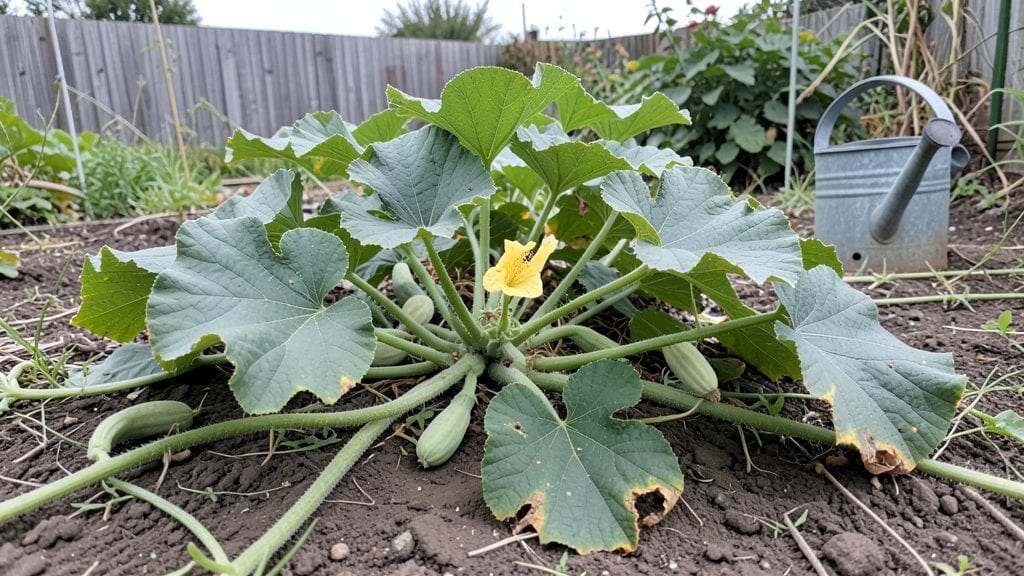
Your squash vines look more like sad noodles than productive plants—and it’s all because of too much water. 🌱 I’ve nursed back overwatered squash plants with yellowing leaves and wilting stems, and the fix is simpler than you think.
The key is stopping the rot before it spreads, then giving your plants the right conditions to bounce back.
First, cut off any mushy stems or blackened roots—those are already too far gone. Then adjust your watering: squash needs about 1 inch per week, delivered in deep soakings rather than daily sprinkles.
If your soil stays soggy for more than a day, you’re still overdoing it. A quick soil test with your finger tells you everything—if it’s damp 2 inches down, wait to water again.
Within 3 days, you’ll see new signs of life: firmer stems, perky leaves, and even fresh flowers. The secret is balance—too little water stresses plants, but too much drowns them.
Once the roots recover, your squash will focus on growing vines and fruit instead of fighting for air. Let’s get those plants back on track.
This works for both bush and vining squash, whether you’re growing in the ground or containers. The only rule? Act fast—root rot spreads quicker than you’d expect. Your garden’s summer harvest depends on it.
Root Causes Of Excess Moisture
When your squash plants start looking more like soggy sponges than thriving vines, the issue often boils down to a few key factors. Understanding these causes is the first step to fixing the problem—before it’s too late.
Here’s why your squash might be getting too much love (in the form of water).
Squash plants thrive in well-draining soil, but if your garden bed or containers lack proper drainage, water pools around the roots instead of flowing away. This creates a waterlogged environment that suffocates roots, cutting off oxygen and leading to rot.
- Why it happens: Compacted clay soil, heavy mulch layers, or containers without drainage holes trap excess water. Even raised beds can become waterlogged if the underlying soil is impermeable.
- Actionable fix:
- Test drainage by digging a hole, filling it with water, and timing how long it takes to drain. If it takes more than 30 minutes, amend the soil with compost or perlite.
- For containers, ensure they have drainage holes and elevate them slightly to prevent water from pooling at the bottom.
Squash plants are heavy drinkers, but that doesn’t mean they need daily soakings—especially if the weather is already humid or rainy. Overwatering disrupts the natural balance, leading to fungal diseases like Phytophthora or Pythium, which thrive in wet conditions.
- Why it happens:
- Automatic irrigation systems set on timers may not account for rain or natural moisture in the soil.
- Gardeners often water based on routine rather than soil moisture levels, especially in hot climates where evaporation is high.
- Actionable fix:
- Check soil moisture before watering—stick your finger 1–2 inches into the soil. If it’s damp, wait.
- Water deeply but infrequently, aiming for the roots rather than the leaves. Early morning is ideal to allow foliage to dry out.
- Use a moisture meter for precision, especially in containers where soil dries out faster.
Squash plants love warmth, but too much humidity—combined with stagnant air—creates the perfect storm for fungal infections and root stress. Without airflow, water sits on leaves and in the soil longer, accelerating rot and disease.
- Why it happens:
- Dense plantings or crowded vines block airflow, trapping moisture.
- Greenhouses, shaded areas, or tropical climates increase humidity, making it harder for soil to dry between waterings.
- Actionable fix:
- Space plants 3–5 feet apart to improve circulation. Prune overgrown vines if necessary.
- Use a fan in greenhouses or shaded areas to reduce humidity.
- Avoid watering late in the day—wet leaves overnight invite fungal spores.
Not all growing environments are created equal. If your squash is planted in the wrong type of container or garden spot, water management becomes a nightmare. For example, black plastic pots absorb heat and dry out faster, but they also bake the roots if overwatered.
- Why it happens:
- Containers without drainage holes or those made of non-breathable materials (like thick plastic) trap moisture.
- Garden beds with no slope or those planted in low-lying areas collect runoff, leading to waterlogging.
- Actionable fix:
- Choose terracotta or fabric pots for better airflow and drainage.
- Elevate containers on pot feet or pallets to prevent water pooling.
- In garden beds, create a slight slope away from the plant to encourage runoff.
💡 Pro Tip: If you’re unsure whether your squash is overwatered or underwatered, check the weight of the pot—lift it! A soggy pot is a red flag. For garden beds, press your foot gently into the soil; if it feels mushy, hold off on watering.
How to Revive Overwatered Squash
Overwatering can turn your thriving squash plants into sad, droopy messes—but don’t panic! With the right steps, you can nurse them back to health and even prevent future soggy soil disasters.
Below, we’ll tackle the most common causes of overwatering and show you exactly how to fix them, plus some pro tips to keep your squash plants happy and productive.
Fix: Drain the excess water and improve soil aeration.
- Stop Watering Immediately 🚰
- Squash plants cannot recover if their roots are constantly drowning. Pause watering for 24–48 hours to let the soil dry out slightly.
- Check Drainage 🏗️
- If your garden bed or pots lack drainage holes, water pools at the roots. Solution:
- For pots: Move plants to a saucer or tray to catch excess water, or drill drainage holes if needed.
- For in-ground plants: Amend the soil with compost or perlite to loosen heavy clay.
- If your garden bed or pots lack drainage holes, water pools at the roots. Solution:
- Fluff the Soil 🌱
- Gently loosen the top 2–3 inches of soil around the base of the plant with a fork or trowel. This helps roots breathe and dry faster.
- Mulch Lightly 🍂
- Apply a thin layer (1–2 inches) of straw or shredded leaves to retain just enough moisture without suffocating roots.
Fix: Salvage roots and create a healthier environment.
- Inspect Roots 👀
- Carefully dig around the base (if safe) to check for black, mushy roots (sign of rot). Trim any affected roots with sterilized scissors.
- Fungicide Treatment 🧴
- Spritz the soil with a copper-based fungicide or hydrogen peroxide (3%) to kill fungal spores. Avoid chemical fungicides if you plan to eat the squash soon.
- Repot or Transplant (If Needed) 🏡
- If rot is severe, repot the plant in fresh, well-draining soil or transplant it to a new spot with better drainage.
- Space Plants Properly 📏
- Overcrowded squash compete for air and water. Thin plants so they have 3–4 feet of space between vines.
Fix: Improve airflow and sunlight exposure.
- Move to Sunlight ☀️
- Squash needs 6–8 hours of direct sun daily. If your garden is shady, relocate pots or prune nearby trees/shrubs blocking light.
- Increase Airflow 🌬️
- Fan the leaves lightly (10 mins/day) to reduce humidity around the plant. If growing in containers, space them apart.
- Water in the Morning ⏰
- Wet foliage at night invites fungal growth. Water early so leaves dry by afternoon.
Fix: Adjust watering and protect plants from extremes.
- Water Deeply but Less Often 💦
- Morning watering (1–1.5 inches per week) encourages deep root growth, reducing shock from temperature swings.
- Shade Cloth for Heat 🌞
- If temps exceed 90°F (32°C), drape light shade cloth over plants to prevent wilting.
- Mulch Heavily in Cold ❄️
- In chilly weather, add 3–4 inches of mulch to insulate roots and retain warmth.
- Test Soil Moisture: Stick your finger 1 inch deep—if damp, wait to water.
- Use a Moisture Meter: 📊 For precision, invest in a soil moisture gauge ($10–$20).
- Group by Water Needs: Plant squash with tomatoes or peppers (similar watering needs).
- Drip Irrigation > Hose: 💧 Drip lines deliver water directly to roots, reducing waste.
- Avoid Overpotting: 🏺 If using containers, 1–2 gallons per plant is ideal—larger pots = more water retention.
Pro Tip: 🌿 Yellowing leaves? It’s not always overwatering—check for nutrient deficiency (add compost tea) or pests (inspect undersides of leaves).
With these fixes, your squash plants should perk up in 3–5 days—just give them time to bounce back! 🎉 For severe cases, focus on root health first, then adjust watering habits. Happy gardening!
Frequently asked questions about soggy squash plants
How can I tell if my squash plants are overwatered vs. underwatered?
Check the soil and leaves: overwatered squash have yellowing leaves, mushy stems, and soil that stays damp even 24 hours after watering. Underwatered plants show crispy brown edges and dry, brittle stems. The best test? Lift the pot—if it feels heavy, you’re overdoing it.
Can I save squash plants with black, rotting roots?
It depends on how severe the damage is. If only a few roots are affected, trim them with sterilized scissors and repot in fresh, well-draining soil. For advanced rot, the plant may not recover—but try treating with hydrogen peroxide (3%) to kill fungal spores before giving up.
Why do my squash leaves turn yellow after watering?
Yellowing leaves are a classic sign of root stress from excess moisture. The roots can’t absorb oxygen when soil stays soggy, causing nutrient deficiencies and leaf discoloration. Stop watering immediately, improve drainage, and let the soil dry out for 48 hours to see improvement.
How often should I water squash plants in containers?
Containers dry out faster than garden beds, but squash still needs 1–1.5 inches of water weekly. Check soil moisture daily—if the top 1 inch is dry, water deeply until it drains from the bottom. Avoid daily light waterings, which keep roots waterlogged.
Will mulch help or hurt overwatered squash?
Mulch can help if used correctly. A thin layer (1–2 inches) of straw retains moisture without suffocating roots, but thick mulch traps dampness and worsens rot. For recovery, remove excess mulch and let soil dry out first.