
Light Requirements
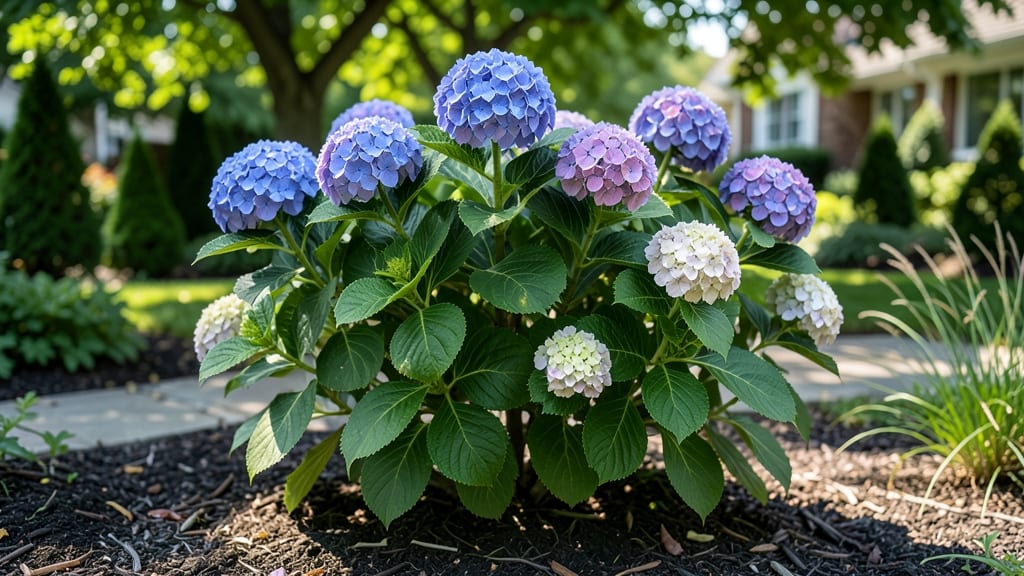
Your part-shade shrubs in Zone 4 can survive brutal winters and still burst into bloom every spring—if you prune them right during dormancy. ✂️ I’ve learned the hard way that cutting back at the wrong time means leggy growth or dead branches by May, but mastering this timing transforms your shrubs from struggling survivors to showstopping stars.
The key is working with nature’s rhythm: prune after the first hard frost but before new growth starts in early spring. Cold-hardy shrubs like hydrangeas, serviceberry, and azaleas need this dormant-season reset to channel energy into next year’s flowers and fruit. Just avoid heavy pruning on evergreens—they handle cold differently.
You’ll end up with denser canes, more blooms, and fewer winter dieback problems. The right cuts also improve airflow, reducing the fungal issues that plague Zone 4 gardens. Think of it as a winter tune-up for your shrubs’ skeletal structure.
Works for both new plantings and established shrubs—just adjust the intensity based on their age and health. Let’s get those pruners sharp!
📚 In This Guide
- What you need
- Instructions
- Tips and common mistakes
- Wrapping up and next steps
What you need
- ● Pruning shears: Bypass pruners (sharp, 5-7" blades) – 1 pair (for small branches).
- ● Loppers: Bypass or anvil (long handles, 18-24" reach) – 1 pair (for thicker branches up to 1.5" diameter).
- ● Pruning saw: Curved-tooth (for branches >2" diameter) – 1 saw.
- ● Gloves: Heavy-duty, cut-resistant (gardening or pruning-specific) – 1 pair.
- ● Disinfectant: Rubbing alcohol (70%+) or bleach solution (1:9 ratio) – small bottle (to sterilize tools between cuts).
- ○ Pruning sealant: Optional (for large cuts >0.5") – small tube (e.g., Tanglefoot Tree Wound Pruning Seal).
- ● Extension pole: Adjustable (for high branches) – 1 pole (10-12' length).
- ● Work boots: Steel-toe or waterproof (for safety and comfort).
- ● Trash bags: Heavy-duty (for debris collection) – 2-3 bags.
- ● Marking twine: Colored (to tag branches for removal).
- ● Safety glasses: (to protect against debris).
- ● ✅ Know your shrub’s needs: Research specific pruning guidelines for your Zone 4 part-shade shrubs (e.g., hydrangeas, azaleas, or viburnums).
- ● ✅ Check the weather: Prune on a dry, calm day (avoid frost or rain within 24 hours).
- ● ✅ Gather inspiration: Sketch or take photos of your shrub’s current shape before pruning!
Step-by-step guide for pruning part-shade shrubs in Zone 4
Here's how I prep cold-hardy shrubs for winter while keeping them healthy and lush.
✂️ Step 1: Time Your Pruning for Dormancy
Prune when the plant is fully dormant but before new buds begin to swell—typically between late winter and early spring in Zone 4. I wait until after the first hard frost but before mid-March, when the ground starts to thaw. This timing ensures you're not encouraging new growth that won't survive another freeze.
Look for brown, leafless stems and no visible sap—these are your cues that the plant is truly dormant. If you see green buds or soft new growth, wait another week. Pruning too early can stimulate growth that will get damaged by late frosts.
🪴 Step 2: Gather the Right Tools
Use sharp, clean pruning shears for smaller branches and loppers for thicker stems over ½ inch in diameter. I sterilize my tools with rubbing alcohol before and after pruning to prevent spreading disease between plants. A bypass pruner gives the cleanest cuts, which heal faster than jagged tears.
Wear gloves to protect your hands from thorns (like barberry) and to keep cuts clean. A small bucket for trimmings and a sharpener for your tools will save you frustration mid-prune. Never use dull tools—they crush stems instead of making clean cuts.
✂️ Step 3: Remove Dead, Diseased, or Weak Growth
Start by cutting out any dead, diseased, or crossing branches at the base of the plant. Look for blackened stems, mushroom-like growths, or branches rubbing against each other—these are weak points that invite pests or disease. Remove up to ⅓ of the oldest wood to encourage new, vigorous growth from the base.
If a branch is completely dead (no green underneath the bark when scratched), cut it back to the ground. For diseased branches, bag and discard them immediately—don’t compost them. Healthy wood should snap with a slight bend, while dead wood will break with a brittle crack.
✂️ Step 4: Shape for Airflow and Light Penetration
Step back and visualize the shrub’s natural shape—most part-shade shrubs benefit from an open, rounded form to allow light and air to reach the center. Cut just above a bud or branch junction, angling the cut slightly downward to shed water. Avoid leaving stubs—they invite rot and disease.
Thin out overcrowded branches to improve airflow, which reduces humidity and fungal issues. For multi-stemmed shrubs, prune the oldest stems first to encourage younger, more vigorous growth. If a branch is growing inward, cut it back to a stronger outward-facing bud.
🌿 Step 5: Clean Up and Protect for Winter
After pruning, remove all trimmings from the area to prevent pests and diseases from overwintering. Rake up fallen leaves and debris around the base of the shrub. Apply a 2-3 inch layer of mulch (like shredded bark) around the base, keeping it 6 inches away from the trunk to prevent rot.
For extra protection in Zone 4, wrap young or tender shrubs with burlap during extreme cold snaps (below 10°F). Water deeply before the ground freezes to ensure roots stay hydrated. Avoid pruning again until spring—over-pruning weakens the plant and reduces its ability to handle winter stress.
Tips & tricks for pruning part-shade shrubs in Zone 4
These simple tricks will help you prune like a pro and keep your cold-resistant shrubs thriving through winter.
Timing is Everything: The window between late winter and mid-March is critical because it gives your shrubs time to harden off before spring growth begins. I always check for brown, leafless stems and no visible sap—these are foolproof signs of dormancy. If you see any green buds or soft growth, wait another week. Pruning too early can stimulate tender new growth that won't survive late frosts, and you'll end up with winter damage instead of a healthy plant.
Tool Prep Makes All the Difference: Sterilizing your pruning shears and loppers with rubbing alcohol before and after each plant is non-negotiable. I keep a small spray bottle of 70% isopropyl alcohol in my gardening bucket for quick sterilization between cuts. Sharp tools are just as important—dull blades crush stems instead of making clean cuts, which slows healing and invites disease. A quick test: if your shears struggle to cut through a pencil, they need sharpening.
Visualize the Final Shape: Before making any cuts, step back and imagine your shrub's natural form. Most part-shade shrubs look best with an open, rounded shape that lets light and air reach the center. When cutting, always aim for the bud or branch junction just above where you want the new growth to emerge. Angle your cuts slightly downward to help water run off, reducing the risk of rot. This technique also encourages stronger regrowth from the right spots.
Winter Protection Secrets: For shrubs that might struggle with Zone 4's extreme cold snaps (below 10°F), I use burlap wraps as a last resort—only for young or tender plants. The key is proper mulching: apply a 2-3 inch layer of shredded bark around the base, but keep it 6 inches away from the trunk to prevent rot. This insulation keeps roots warm while allowing airflow to prevent moisture buildup that could lead to fungal issues.
Pro Tips for Part Shade Shrubs Zone 4
- These simple tricks will help you prune like a pro and keep your cold-resistant shrubs thriving through winter.
- Timing is Everything: The window between late winter and mid-March is critical because it gives your shrubs time to h...
- Tool Prep Makes All the Difference: Sterilizing your pruning shears and loppers with rubbing alcohol before and after...
Frequently asked questions
about part shade shrubs in Zone 4 can help you avoid common pitfalls and make the most of your garden. Here are answers to the most pressing questions:What’s the best time to prune dormant shrubs in Zone 4?
Late winter or early spring (before buds swell) is ideal for dormant pruning. This timing ensures healthy regrowth while avoiding frost damage. Pro tip: Wait until temperatures stabilize above freezing (usually February–March in Zone 4).
Can I prune part shade shrubs in fall?
Pruning in fall is risky in Zone 4—new growth may not harden off before winter. If you must prune, do it lightly in early fall (September) to avoid stress. Save major cuts for late winter.
What if my shrubs look leggy or overgrown after winter?
Leggy growth often signals insufficient light or over-pruning. Thin out dense areas to improve airflow and sunlight penetration. For woody shrubs, renewal pruning (cutting ⅓ of old stems to the ground) can rejuvenate them.
Are there Zone 4 shrubs that tolerate more shade than others?
Yes! Hydrangea paniculata, Weigela, and Spiraea handle part shade well, while Dwarf Fothergilla thrives in deeper shade. Research your shrub’s specific needs—some (like Butterfly Bush) need at least 4–6 hours of light.
How do I protect young shrubs from Zone 4 winters?
Mulch heavily (3–4 inches) with shredded bark or leaves to insulate roots. For tender canes (e.g., Hydrangea), wrap them in burlap or use frost blankets. Avoid pruning until spring—dormant buds are more cold-resistant.
Wrapping up and next steps
Choosing the right part shade shrubs for Zone 4 and mastering dormant-season pruning can transform your garden into a resilient, low-maintenance oasis—even in harsh winters! 🌿 From hardy hydrangeas to rugged viburnums, these cold-tolerant beauties thrive with minimal fuss, rewarding you with vibrant blooms and lush foliage year after year.
Ready to level up your landscape? Start by sketching your garden layout, then pick 2-3 shrubs from this list to create a layered, seasonal display. Pro tip: Tag your pruning calendar now—marking dates ensures you never miss the perfect time to trim! 📅