
Companion Plants
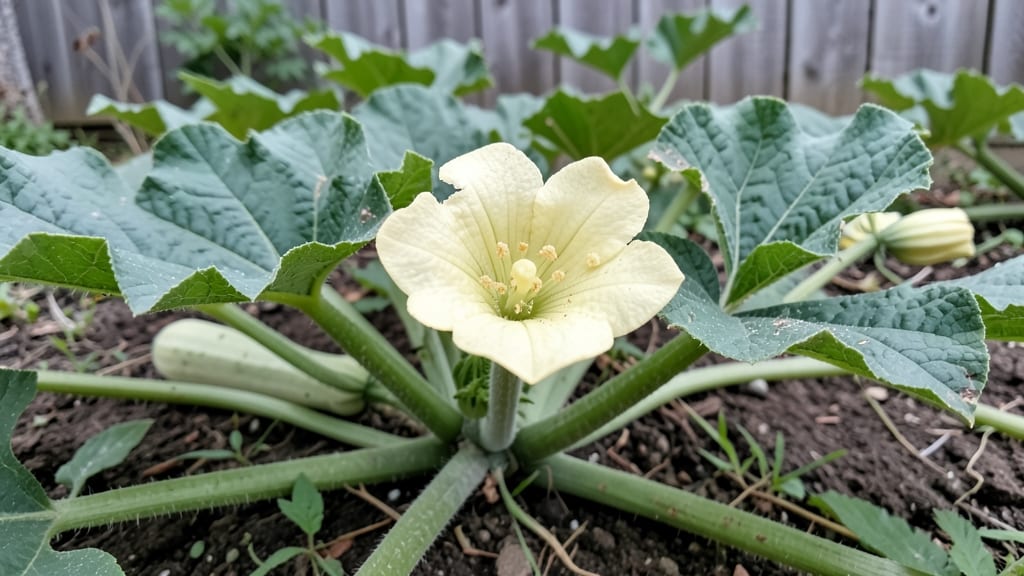
Finding pictures of hermaphrodite plants reveals flowers containing both male and female reproductive structures, identifiable by fused stamens and pistils in the same blossom. These dual-sex flowers often appear in plants like squash, cucumbers, and cannabis, where both pollen-producing and seed-bearing parts coexist.
Hermaphrodite flowers are nature's way of simplifying reproduction—no need for separate male and female plants! 🌸 Many garden favorites, like pumpkins and figs, showcase this trait, making them perfect for both pollination and seed production.
The key visual clue is the central stigma (female part) surrounded by stamens (male parts) all within one bloom, often appearing slightly larger or more complex than single-sex flowers.
For accurate identification, focus on the flower's center: hermaphrodite blooms typically have a prominent stigma with radiating stamens around it. This dual structure isn't just botanical curiosity—it's why these plants thrive in gardens with fewer pollination challenges. 🌱
💡 In This Article
- Identifying Key Traits of Hermaphrodite Flowers
- Top Hermaphrodite Plants with Visual Guides
Identifying key traits of hermaphrodite flowers
Hermaphrodite flowers contain both stamens (male pollen producers) and pistils (female seed-bearing structures) within a single bloom, creating a visually distinct appearance.
The stamens typically appear as thin, thread-like filaments topped with pollen sacs, while the pistil sits centrally as a bulbous stigma with a slender style connecting to the ovary.
In many species, these parts are fused or closely packed, unlike the separate male and female flowers found in dioecious plants like holly or willow.
The fusion of reproductive organs often results in flowers that are slightly larger and more complex than their single-sex counterparts. For example, in squash plants, hermaphrodite flowers may measure 1-2 inches in diameter with 5-6 stamens radiating around a prominent central stigma.
The texture of these flowers is often velvety or slightly waxy, providing a tactile clue when handling them. 🌿 This dual structure eliminates the need for cross-pollination between separate plants, making hermaphrodite species more self-sufficient.
Genetically, hermaphroditism is often controlled by a single gene or set of genes that suppress the development of separate male and female flowers. Environmental factors like temperature and light exposure can also influence whether a plant produces hermaphrodite flowers.
For instance, cannabis plants may develop hermaphrodite flowers when stressed by inconsistent light cycles or extreme temperatures, a phenomenon growers call "herming." This genetic flexibility explains why hermaphrodite traits appear in diverse plant families from cucurbits (squash, melons) to figs and even some orchids.
One key visual distinction is the presence of both pollen (yellowish dust) and stigma (often green or red-tipped) in the same flower. Under magnification, you can see pollen grains adhering to the stigma's surface, confirming successful self-pollination.
This dual functionality makes hermaphrodite flowers particularly efficient in controlled environments like greenhouses, where pollinators are limited. 🌸 The trade-off is often reduced flower size or number, as the plant allocates energy to maintaining both reproductive structures.
Common plant families exhibiting hermaphroditism include Cucurbitaceae (squash, cucumbers), Moraceae (figs), and Cannabaceae (cannabis). In squash, for example, hermaphrodite flowers appear later in the plant's life cycle, while early blooms may be strictly male.
This sequential development ensures the plant has both pollination and seed production capabilities at different growth stages. Understanding these patterns helps gardeners predict fruit set and optimize pollination strategies.
What most people don't realize is that hermaphrodite flowers often exhibit subtle color variations to attract pollinators while still functioning independently. The central stigma may appear slightly darker or more vivid than the surrounding petals, creating a visual focal point.
This color differentiation isn't just aesthetic—it helps guide pollinators to the reproductive center, even when no cross-pollination is needed. 🌺