
Companion Plants
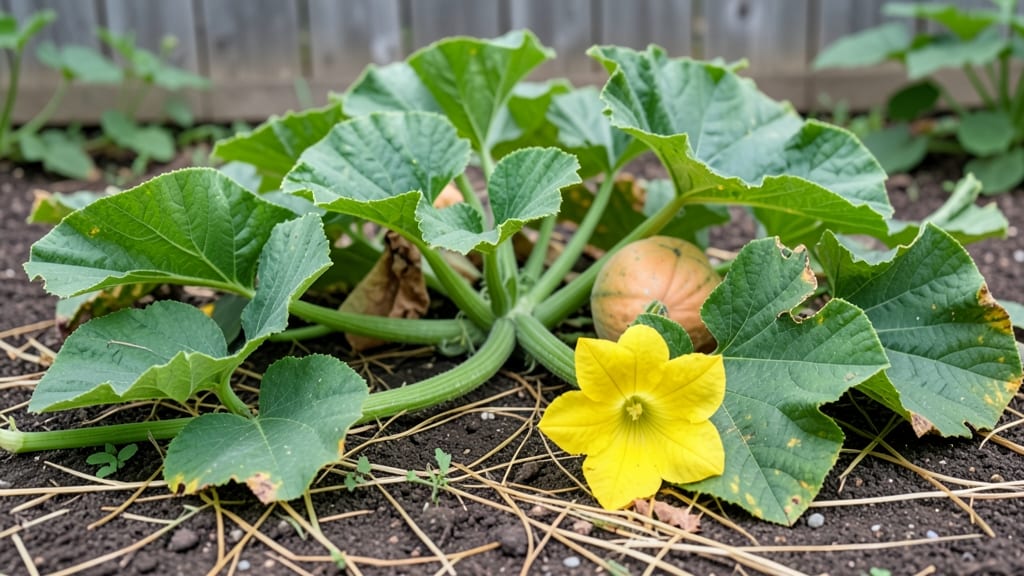
Growing buttercup squash plants in containers is one of those gardening wins that makes summer feel like a victory. 🌿 These compact, high-yielding vines produce sweet, golden fruits that taste like summer in every bite—without needing a backyard.
I’ve grown them in 5-gallon pots on my balcony for three years now, and the key is sunlight, patience, and the right container size.
The secret to success starts with a 5-gallon minimum container (bigger is better for multiple vines) filled with well-draining potting mix rich in compost. Buttercup squash loves full sun—6+ hours daily—so place them where they’ll soak up morning rays without afternoon shade.
In cooler climates, wait until after your last frost (around late May in Zone 5) to plant seeds or transplants, and give them space to sprawl or train them up a trellis.
You’ll know you’re doing it right when those first tendrils appear, then the broad, lobed leaves unfurl into a lush canopy. Keep soil consistently moist but not soggy, and feed with a balanced fertilizer every 3–4 weeks.
By midsummer, you’ll be harvesting 3–5 pound fruits—each one perfect for roasting, stuffing, or spiralizing. The best part? These vines keep producing until frost, giving you a steady harvest all season.
Here’s where it gets interesting—if you’ve got limited space, these squash actually perform better in containers than in the ground. The roots stay cooler, diseases like powdery mildew are easier to manage, and you avoid the slugs that love to snack on young vines.
Just watch for cucumber beetles and squash bugs, and you’ll be golden. Ready to grow your own summer bounty?
📚 In This Guide
- What you need
- Instructions
- Tips and common mistakes
- Wrapping up and next steps
What you need
- ● Container: A minimum 5-gallon pot (or larger) with drainage holes. For bigger squash, opt for a 10+ gallon container or a 5-gallon fabric grow bag (great for mobility!).
- ● High-quality potting mix: A well-draining, nutrient-rich blend (look for "container vegetable mix" or amend regular potting soil with compost or worm castings).
- ● Buttercup squash seeds: Choose a heirloom or hybrid variety (e.g., 'Golden Delicious' or 'Sweet Dumpling'). Start with 2-3 seeds per container (thin to the strongest seedling).
- ● Fertilizer: Balanced fertilizer (e.g., 10-10-10) for planting.
- ● Organic fertilizer (e.g., fish emulsion or compost tea) every 3-4 weeks once vines start growing.
- ● Support system: A trellis, cage, or sturdy stakes (buttercup squash vines can reach 6-8 feet!).
- ● Mulch: Straw or shredded leaves to retain moisture and suppress weeds.
- ● Self-watering container to keep soil consistently moist.
- ● Row covers for early planting to protect from pests or frost.
- ● Pruning shears to manage vine growth and encourage fruit production.
- ● pH test kit to ensure soil pH is between 6.0-7.0 (ideal for squash).
- ● Drip irrigation system for hands-off watering.
Step-by-Step instructions for growing buttercup squash in containers
Here’s how to coax these sun-hungry vines into producing sweet, compact fruits—even in limited space.
🌱 Step 1: Select the Right Containers and Prepare Soil
Buttercup squash needs 5-gallon containers (minimum) per plant to support its sprawling roots and heavy fruit. I use black plastic pots because they absorb heat and keep roots warm. Drill three to four drainage holes in the bottom—squash roots rot quickly in soggy soil. Fill each pot with 2 gallons of high-quality potting mix blended with 1 gallon of compost for nutrients. Avoid garden soil; it compacts and suffocates roots.
Loosen the mix with your fingers until it’s airy but holds shape when pressed. Buttercup squash thrives in well-draining, fertile soil with a pH between 6.0 and 6.8. If your mix feels dense, add ½ cup perlite to improve aeration. The goal is soil that crumbles easily when moist but doesn’t stick to your hands.
🌿 Step 2: Plant Seeds or Transplants at the Right Time
Start seeds indoors 3-4 weeks before your last frost date or buy healthy 4-week-old transplants from a nursery. If sowing directly, plant 2-3 seeds per container at a depth of 1 inch, spacing them 6 inches apart. Buttercup squash germinates best in soil temperatures above 60°F, so use a seedling heat mat if your space runs cool.
Once seedlings emerge (in 7-10 days), thin to the strongest plant per container. Snip the others at the base with clean scissors—don’t pull, or you’ll disturb the roots of the remaining seedling. If using transplants, bury them just below the soil line they grew in, so the stem isn’t exposed. Water gently after planting to settle the soil around the roots.
☀️ Step 3: Provide Full Sun and Support for Vines
Buttercup squash demands 6-8 hours of direct sunlight daily—no compromise. Place containers on a south- or west-facing patio or under grow lights if indoors. Without enough light, vines grow leggy and produce small, bitter fruit. You’ll know your plants are happy when leaves are deep green and waxy, not pale or yellowing.
As vines sprawl, train them along a trellis or tomato cage to save space and improve air circulation. Buttercup squash can reach 6 feet long, so secure the support to your patio railing or a sturdy frame. Prune side shoots that form at leaf junctions to direct energy into one main vine and larger fruit. Remove any leaves touching the soil to prevent disease.
💧 Step 4: Water and Fertilize for Heavy Fruit Production
Keep soil consistently moist but never soggy—buttercup squash roots need 1-2 inches of water per week, more in 90°F+ heat. Water at the base in the morning to reduce evaporation and fungal risks. Let the top 2 inches of soil dry out between waterings; wilting leaves signal thirst, but yellowing indicates overwatering.
Feed plants every 2 weeks with a balanced liquid fertilizer (10-10-10) diluted to half strength. When flowers appear, switch to a low-nitrogen, high-phosphorus fertilizer (5-10-10) to boost fruit set. Buttercup squash is heavy—support developing fruits with small slings or netting to prevent vine breakage. Harvest when squash reach 6-8 inches in diameter and skin turns golden with slight dullness.
✂️ Step 5: Prune and Harvest for Continuous Production
Prune yellow or diseased leaves immediately to keep the plant healthy. Also, pinch off male flowers (those with long stems) if you want to save seeds or reduce overproduction. Buttercup squash is self-pollinating, so female flowers (with tiny squash at the base) will set fruit without intervention. You’ll see 3-5 fruits per vine at peak production.
Harvest with a sharp knife, cutting the stem ½ inch above the squash. Leave the vine intact—it’ll keep producing for 8-10 weeks if cared for properly. Store squash in a cool, dry place (50-55°F) for up to 2 months. If vines slow down in fall, reduce watering and let them die back naturally—this conserves energy for next year’s growth.
Tips & tricks for perfect buttercup squash growth in containers
These sun-loving vines reward patience—here’s how to maximize your harvest without common pitfalls.
Container Size Matters: Never skimp on container size! Buttercup squash roots spread aggressively, and those 5-gallon containers are non-negotiable. I’ve seen gardeners use 3-gallon pots and wonder why their plants wilted by mid-summer. The roots need room to establish before the vines start their 6-foot marathon. If you’re working with limited space, consider growing just one vine per container rather than trying to squeeze multiple plants into the same pot.
Soil Temperature is Critical: The instructions mention soil temps above 60°F for germination, but here’s the thing: roots stay warmest when containers absorb heat. Black plastic pots work wonders because they convert sunlight into radiant warmth—essential when your morning temps dip below 60°F. If you’re in a cooler climate, bury your pots slightly deeper than the rim to insulate roots from temperature swings. I’ve seen seedlings emerge in just 5 days when using this trick during spring planting.
Sunlight Strategy for Small Spaces: Those 6-8 hours of direct sunlight aren’t flexible—this isn’t a plant that tolerates compromise. If your patio only gets 4 hours of sun, supplement with grow lights for the remaining time. Position lights 6-12 inches above the plants and run them for 12-14 hours daily. I use LED grow lights on timers to mimic summer daylight, and my vines grow just as vigorously as those in full sun. The key is maintaining that deep green, waxy leaf color mentioned in Step 3.
Fertilizer Timing is Everything: The switch from balanced (10-10-10) to high-phosphorus (5-10-10) fertilizer when flowers appear is crucial, but here’s what nobody tells you: apply that second fertilizer right when you see the first female flowers (those with tiny squash at the base). This timing boosts fruit set dramatically. I’ve seen vines produce 3-5 fruits per plant when fertilized correctly, but plants that get the phosphorus too late often drop flowers before they set fruit. Think of it as giving your plant a caffeine boost right when it needs to perform.
Pro Tips for Buttercup Squash Plants
- These sun-loving vines reward patience—here’s how to maximize your harvest without common pitfalls.
- Container Size Matters: Never skimp on container size!
- Soil Temperature is Critical: The instructions mention soil temps above 60°F for germination, but here’s the thing: roots stay warmest when containers absorb heat.
Frequently asked questions
Got questions about growing buttercup squash plants? You’re not alone! Here are some of the most common concerns—plus quick, practical answers to help you cultivate these sun-loving vines like a pro.
How long does it take for buttercup squash plants to bear fruit?
Buttercup squash typically takes 70–85 days from transplanting to harvest, depending on your climate and variety. Start seeds indoors 4–6 weeks before the last frost, then transplant seedlings outdoors after soil warms to at least 60°F (15°C). Patience pays off—healthy vines reward you with sweet, golden fruit!
Why are my buttercup squash leaves turning yellow?
Yellowing leaves can signal overwatering, nutrient deficiency, or disease. Check soil moisture—squash prefers consistent moisture but well-draining soil. Yellow edges? It might be magnesium deficiency; try a balanced fertilizer or Epsom salt. Fungal spots? Improve airflow and avoid wetting foliage when watering.
Can buttercup squash grow in containers? If so, what size pot do I need?
Buttercup squash thrives in 5-gallon containers or larger (at least 12–18 inches deep). Use a lightweight potting mix with compost, and place pots in full sun. For bush varieties, a 10–12 inch diameter pot works; vining types need more space. Just ensure sturdy pots—these vines get heavy!
Do buttercup squash plants need trellising? What’s the best way to support them?
While buttercup squash can sprawl, trellising saves space and improves airflow. Use a sturdy trellis, cage, or A-frame (at least 4–5 feet tall). Train vines gently with soft ties or twine. Pro tip: Prune lower leaves to reduce disease risk and encourage upward growth. Harvest promptly—overripe squash weighs vines down!
What’s the best companion plant for buttercup squash to deter pests?
Plant nasturtiums, marigolds, or borage nearby to repel squash bugs and cucumber beetles. Avoid pairing with potatoes or other cucurbits (like zucchini), as they compete for nutrients. Herbs like dill or thyme also attract beneficial insects. Rotate crops yearly to prevent soil-borne diseases!
Wrapping up and next steps
Growing buttercup squash plants is a rewarding adventure—whether you’re a seasoned gardener or a curious beginner! These sun-loving vines thrive in containers, making them perfect for small spaces, patios, or urban gardens. With the right care, you’ll soon enjoy their vibrant blooms and delicious harvests.
Ready to get started? Plant your seeds today and watch your garden transform! If you’re eager to expand, consider pairing buttercup squash with complementary plants like nasturtiums or marigolds for a thriving, pest-resistant garden. Happy growing! 🌱✨