
Blooming
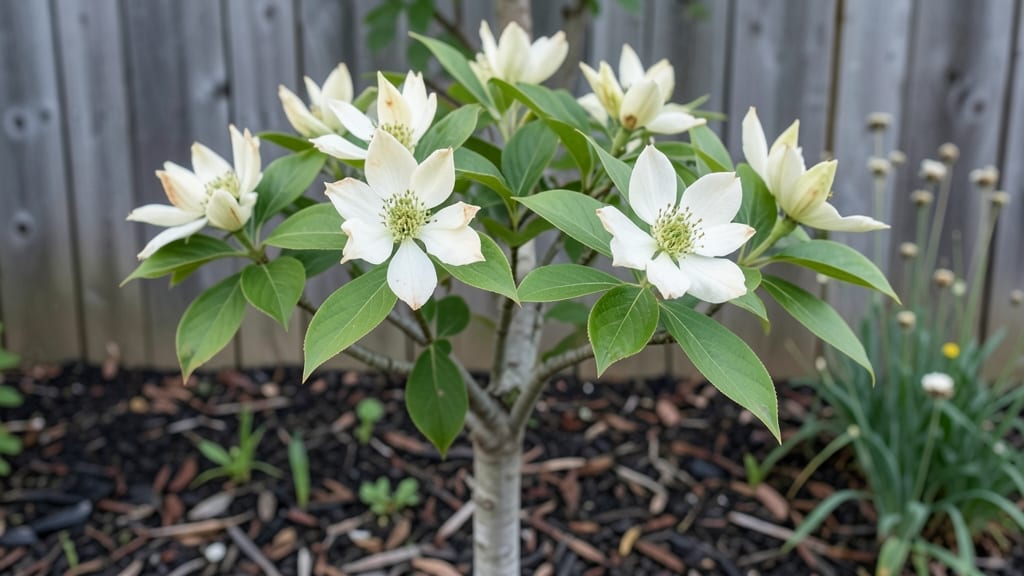
Pink dogwood blossoms transform any spring garden into a dreamy, romantic scene—soft pink clouds of flowers that last for weeks and create a natural privacy screen the rest of the year. 🌸 I planted mine along the fence line last spring, and now I get to enjoy their delicate blooms every year while neighbors admire the lush, evergreen foliage that keeps things private when they're not in flower.
The secret to making them shine is placement: position them where they’ll get morning sun and afternoon shade, and pair them with understory plants like ferns or hostas that won’t compete for light.
They handle most soil types but thrive best in well-draining, slightly acidic conditions—think mulch to keep roots cool and happy. With proper care, they’ll reward you with 4-6 weeks of stunning blooms each spring, plus reliable year-round structure.
Imagine your garden in May: the air filled with that sweet, honey-like fragrance, the branches heavy with blossoms, and the deep green leaves providing a living backdrop for everything else. These trees aren’t just pretty—they’re the backbone of a layered, low-maintenance landscape that works as hard as it looks.
The best part? They grow at a steady pace, so you won’t be waiting years for that privacy screen to fill out.
Works beautifully as a single specimen, a mixed border, or even in small groups for a dramatic effect. If you’ve been dreaming of a garden that feels like a secret retreat, this is your first step. Let’s make it happen!
📚 In This Guide
- What you need
- Instructions
- Tips and common mistakes
- Wrapping up and next steps
What you need
- ● Pink Dogwood Trees – Cornus florida (or Cornus kousa for larger blooms): Quantity: 3–5 mature trees (for a 6–8 ft. tall, 10–12 ft. wide screen; adjust for size/spacing)
- ● Size: 3–5 ft. tall (potted) or bare-root saplings (for planting)
- ● Healthy, disease-free specimens with vibrant buds (spring planting ideal)
- ● Planting Site: Well-draining, moist but not soggy soil (amend with compost if needed)
- ● Partial shade to full sun (morning sun + afternoon shade preferred)
- ● Space: 10–15 ft. apart for mature growth (check variety spacing guidelines)
- ● Mulch: 2–3 inches of organic mulch (pine straw, shredded bark, or wood chips)
- ○ Support Stakes (Optional for Young Trees): 3–4 ft. tall bamboo or metal stakes (1 per tree)
- ● Garden twine or eco-friendly ties
- ● Digging Tools: Shovel or spade (for planting holes)
- ● Trowel (for root separation if clumping)
- ● Measuring Tools: Tape measure (to ensure proper spacing)
- ● Stakes and string (to mark planting lines)
- ● Watering Supplies: Garden hose with soaker hose attachment (for deep watering)
- ● Watering can (for potted seedlings)
- ○ Fertilizer (Optional): Balanced, slow-release granular fertilizer (10-10-10 or similar)
- ● Compost or worm castings (for nutrient boost)
- ● Pruning Tools (For Maintenance): Sharp bypass pruners (for shaping)
- ● Loppers (for thicker branches)
- ● Safety Gear (If Needed): Gloves (to protect hands during planting)
- ● Knee pads (for comfort)
Step-by-step guide to planting and maintaining pink dogwood trees for privacy
Here's how to create a stunning, seasonal privacy screen that blooms beautifully every spring.
🌱 Step 1: Choose and Prepare Your Planting Sites
Select a location with partial shade to full sun—dogwoods thrive where they get morning sunlight and afternoon shade. Avoid spots where water pools after rain, as soggy soil will rot roots. I always dig holes twice as wide as the root ball but only as deep as the container's base.
Loosen the roots gently if they're circling the pot before placing the tree in the hole. Fill around the root ball with native soil, pressing lightly to remove air pockets. Water deeply right after planting to settle the soil and encourage root contact. You'll know it's done right when the soil surface looks slightly domed around the base.
☀️ Step 2: Provide Consistent Moisture and Mulch
Dogwoods need 1-1.5 inches of water weekly during their first year, and even more in hot, dry spells. I water deeply at the base rather than overhead to prevent fungal diseases. Once established, they tolerate drought better but still appreciate regular moisture during bloom season.
Spread 2-3 inches of mulch around the base, keeping it 6 inches away from the trunk. This conserves moisture, regulates soil temperature, and prevents weeds. Refresh the mulch annually—dogwoods love a cool, protected root zone.
✂️ Step 3: Prune for Shape and Health
Prune in late winter or early spring before new growth begins. Remove any dead, diseased, or crossing branches first—they'll stand out as brown or shriveled wood. Then, thin out crowded branches to improve airflow and reduce disease risk.
Shape the tree lightly by cutting back overgrown branches to just above a bud or side branch. Avoid heavy pruning, as dogwoods bloom on old wood. You'll see healthier, more abundant flowers the following spring if you keep the tree open and airy. Never prune after mid-summer—new growth won't harden off before winter.
🌿 Step 4: Fertilize and Monitor for Pests
Apply a balanced, slow-release fertilizer in early spring when new growth appears. I use a 10-10-10 formula at half-strength to avoid burning roots. Dogwoods don't need much feeding—too much fertilizer leads to weak stems and fewer flowers. Water the area well after applying to help distribute nutrients.
Watch for dogwood borers or powdery mildew—common issues that appear as holes in stems or white powder on leaves. If you spot these, prune affected areas immediately and treat with neem oil. Healthy trees resist pests better, so proper spacing and airflow are your best defense.
⏰ Step 5: Enjoy Year-Round Benefits
In spring, your dogwoods will burst into pink blossoms that last 2-3 weeks, followed by red berries that birds adore. The glossy green leaves provide summer shade, and the exfoliating bark adds winter interest. I love how they create a natural privacy screen that changes with the seasons.
After the first year, your dogwoods should establish well enough to handle seasonal changes with minimal care. Just keep an eye on moisture levels in dry spells and prune lightly each spring. With proper placement and basic maintenance, these trees will reward you for decades.
Tips & tricks for perfect pink dogwood privacy screens
A few key strategies will help your dogwoods thrive and create that stunning privacy screen you're dreaming of.
Location is Everything: Dogwoods love that sweet spot of morning sun and afternoon shade. If your yard only gets full sun, plant them where they'll have afternoon protection from direct rays—this prevents leaf scorch. I've found that planting near existing trees or on the north side of buildings works beautifully. The partial shade also helps maintain those vibrant pink blossoms year after year.
Root Care During Planting: When you're digging that hole twice as wide as the root ball, take the extra time to gently loosen any circling roots. I've seen so many dogwoods struggle because their roots were too tightly bound. After planting, that deep watering is crucial—aim for about 1 gallon per inch of trunk diameter. The soil should settle and dome slightly around the base, which tells you it's properly settled.
Mulch Like a Pro: That 2-3 inch layer of mulch isn't just decoration—it's a game changer. Keep it 6 inches away from the trunk to prevent rot. I like to use a mix of shredded bark and compost for best results. Refresh it annually in spring, and you'll notice how much easier it is to maintain moisture levels and keep weeds at bay. The mulch also helps regulate soil temperature, which is especially important during those hot summer months.
Pruning Secrets: Remember when I mentioned pruning in late winter? That timing is critical because dogwoods bloom on old wood. When you're thinning those crowded branches, look for ones that cross or rub against each other—these are prime candidates for removal. I always make my cuts just above a bud or side branch, which encourages new growth in the right direction. And never prune after mid-summer—you'll regret it when those new shoots don't have time to harden off before winter.
Pro Tips for Pink Dogwood Blossom
- A few key strategies will help your dogwoods thrive and create that stunning privacy screen you're dreaming of.
- Location is Everything: Dogwoods love that sweet spot of morning sun and afternoon shade.
- Root Care During Planting: When you're digging that hole twice as wide as the root ball, take the extra time to gently loosen any circling roots.
Frequently asked questions
Got questions about growing and enjoying pink dogwood blossoms? Here are some answers to help you create a stunning, low-maintenance privacy screen with breathtaking annual blooms:
When is the best time to plant pink dogwood trees for maximum blooms?
The ideal time to plant dogwoods is in early spring or fall, when soil temperatures are cool but not frozen. This gives roots time to establish before summer heat or winter dormancy. Avoid planting in extreme heat or cold—young trees are vulnerable to stress. If you’re in a mild climate, late fall planting can also work well!
How do I keep my dogwood tree healthy to ensure vibrant pink blossoms every year?
Dogwoods thrive with well-draining soil, partial shade, and consistent moisture. Mulch around the base (but not the trunk) to retain moisture and suppress weeds. Prune in late winter or early spring to remove dead branches and shape the tree. Watch for dogwood anthracnose (a fungal disease)—space trees for airflow and avoid overhead watering to prevent it.
Can pink dogwood trees grow in full sun? What if my yard only has sunny spots?
While dogwoods prefer partial shade (3–6 hours of sunlight daily), they can tolerate morning sun with afternoon shade in hotter climates. If your yard is fully sunny, consider alternatives like serviceberry or viburnum, which handle more sun. For dogwoods, plant them where they’ll get dappled light—like under taller trees or near a north-facing fence.
How long does it take for a newly planted dogwood to bloom?
Patience is key! Mature dogwoods (5–10 years old) produce the most spectacular blooms, but younger trees may flower lightly as soon as 2–3 years after planting. If your tree isn’t blooming after 4 years, check its light, soil, and water—dogwoods need consistent care to reward you with those iconic pink blossoms.
What can I do if my dogwood’s leaves turn brown or yellow?
Brown or yellow leaves often signal stress from overwatering, underwatering, or disease. First, check the soil moisture—dogwoods like it evenly moist but not soggy. If fungal issues (like anthracnose) are suspected, prune affected branches and apply fungicide in early spring. For nutrient deficiencies, a balanced fertilizer in early spring can help revive your tree.
Wrapping up and next steps
The pink dogwood blossom isn’t just a seasonal showstopper—it’s a year-round privacy powerhouse that brings beauty, texture, and effortless charm to any garden. Whether you’re drawn to its delicate spring blooms or its lush, evergreen foliage, this versatile plant delivers low-maintenance elegance with high impact.
Ready to transform your outdoor space? Start by sketching your design, gathering your materials, and planting with confidence—your future pink dogwood paradise awaits! 🌸