
Succulent
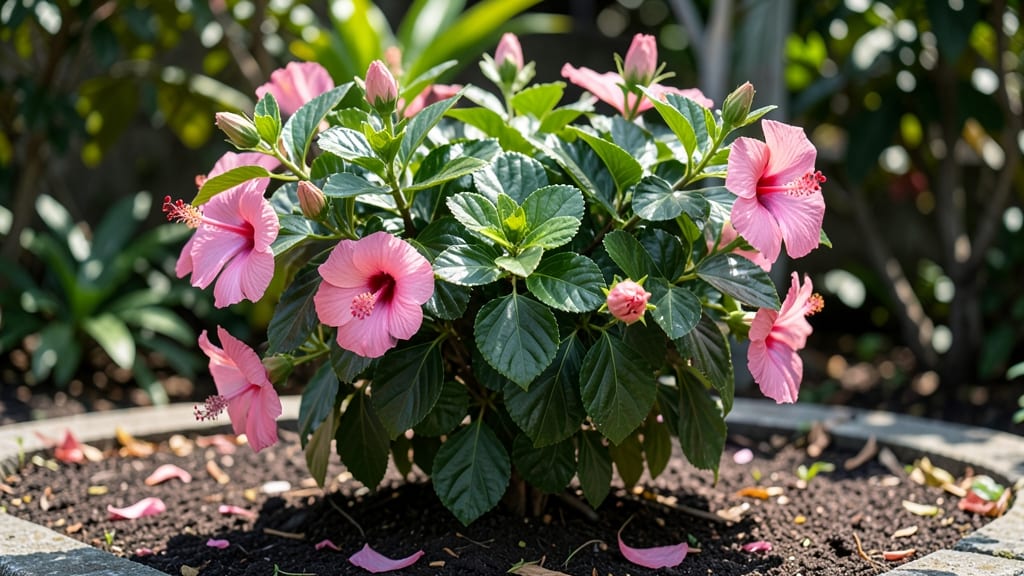
Growing a pink hibiscus shrub means waking up to fragrant blooms that last all summer—no thorns, just velvety petals. 🌸 I’ve watched mine transform from bare branches to a flowering powerhouse in just three seasons, and the key lies in understanding its tropical roots while adapting to your climate.
These shrubs thrive in full sun (6+ hours daily) and well-draining soil, but they’re surprisingly forgiving if you mimic their natural humidity. In containers, they’ll bloom even in small spaces, while in-ground plants reward patience with 3-foot-tall specimens by year three. The secret?
Pruning after each flush of blooms to encourage more flowers. By summer’s end, you’ll have a shrub that smells like a tropical paradise and attracts butterflies like crazy. The blooms last one glorious day but appear in waves, so you’ll never run out of fresh cuttings for bouquets.
Even in cooler zones, a little winter protection keeps them coming back stronger. Works for balconies, patios, or sunny borders—just avoid heavy clay soil, and you’re golden. Let’s get those roots growing!
📚 In This Guide
- What you need
- Instructions
- Tips and common mistakes
- Wrapping up and next steps
What you need
- ● Pink hibiscus plant: Seedlings, cuttings, or a 1-gallon container-grown shrub (choose a Hibiscus rosa-sinensis variety like 'Pink Fantasia' or 'Dwarf Pink').
- ● Well-draining potting mix: 5–10 gallons (for containers) or amended garden soil (for in-ground planting). Mix in 1 part perlite or sand per 3 parts soil to prevent root rot.
- ○ Container (optional but recommended): A 15–20 gallon pot with drainage holes (terracotta or fabric pots work best).
- ● Slow-release fertilizer: A 10-10-10 or 14-14-14 NPK blend (2–3 tablespoons per plant).
- ● Pruning shears: Sharp, bypass-style shears (sterilized with rubbing alcohol).
- ○ Rooting hormone (optional): A powder or gel (e.g., Clonex) for cuttings.
- ● Gloves: Heavy-duty gardening gloves (hibiscus has thorns—even thorn-free varieties can have prickly stems!).
- ● Watering can or hose: With a gentle spray nozzle (avoid overhead watering to prevent fungal issues).
- ● Sunlight access: 6+ hours of direct sunlight daily (south- or west-facing spot is ideal).
- ○ Mulch (optional): 2–3 inches of organic mulch (e.g., pine bark or shredded leaves) to retain moisture.
- ○ Support stake (optional): A 5–6 foot bamboo or metal stake for taller varieties.
- ● 💡 Climate check: Pink hibiscus thrives in USDA Zones 9–11. In colder areas, grow in containers and bring indoors during winter.
- ● 🌡️ Soil pH: Aim for 6.0–7.0 pH (test with a soil kit if unsure).
- ● ✨ Pruning schedule: Plan for 3 pruning seasons (spring, summer, and late fall) to encourage blooms!
Step-by-Step instructions for planting and pruning pink hibiscus shrubs
Here's how to establish your fragrant, thorn-free pink hibiscus for years of vibrant blooms.
🌱 Step 1: Choose the Perfect Planting Site and Prepare the Soil
Pink hibiscus thrives in full sun—select a location receiving at least 6-8 hours of direct sunlight daily. Sheltered spots with afternoon shade work in hotter climates, but blooms will be less abundant. Test your site by observing how sunlight moves across the area at different times of day.
Amend the soil with 2-3 inches of compost mixed into the top 12 inches of soil. Hibiscus prefers slightly acidic to neutral soil with a pH between 6.0-7.0. Work in a handful of slow-release fertilizer (10-10-10 ratio) at planting time to give roots an initial nutrient boost. The soil should drain well but retain moisture—amend heavy clay with sand or perlite if needed.
🪴 Step 2: Plant at the Right Depth and Spacing for Optimal Growth
Dig a hole twice as wide as the root ball but no deeper. Gently remove the plant from its container and loosen any circling roots with your fingers. Position the hibiscus so the top of the root ball sits 1 inch above ground level—this prevents waterlogging and stem rot. The reason for this slight elevation is that hibiscus roots are sensitive to prolonged moisture.
Backfill the hole with native soil mixed with compost, pressing gently to eliminate air pockets. Space multiple plants 6-8 feet apart to allow for mature growth and airflow. Water deeply immediately after planting to settle the soil and eliminate gaps. You'll know it's properly settled when the soil surface looks firm but not compacted.
☀️ Step 3: Establish a Watering Routine for Healthy Root Development
Water newly planted hibiscus 2-3 times per week for the first month, providing 1-2 gallons per plant each time. The goal is to keep the soil consistently moist but not soggy—hibiscus roots need oxygen too. Check moisture by sticking your finger 2 inches into the soil; if it feels dry, it's time to water.
After the first month, reduce watering to once weekly during dry spells, increasing to 2-3 times weekly during extreme heat. Mulch around the base with 2-3 inches of organic mulch (like pine straw or wood chips) to conserve moisture and regulate soil temperature. The mulch layer should extend 3 inches from the stem to prevent rot while protecting roots.
✂️ Step 4: Prune Strategically for Three Seasons of Blooms
First pruning occurs in late winter or early spring before new growth begins. Remove any dead, damaged, or crossing branches with clean, sharp pruners. Cut back overgrown branches by one-third to encourage bushier growth. Look for branches that are rubbing against others—these create wounds that attract pests and diseases.
Summer pruning focuses on shaping and encouraging more blooms. After each flush of flowers fades, trim back the spent blooms to the nearest leaf node. This redirects the plant's energy toward producing new flowers rather than setting seed. Avoid heavy pruning in summer—just light shaping to maintain the plant's form. You'll see new buds form within 4-6 weeks of proper pruning.
🌿 Step 5: Maintain Through Fall and Prepare for Winter
In fall, reduce watering gradually as temperatures drop. Hibiscus enters dormancy when nighttime temperatures consistently fall below 50°F. At this point, stop fertilizing completely to allow the plant to harden off. Remove any remaining dead flowers and lightly prune to tidy the plant, but avoid heavy cuts that stimulate new growth too late in the season.
If you live in a climate with freezing temperatures, protect young plants with burlap wraps or move container-grown hibiscus to a sheltered location. Established plants can tolerate light frosts but may lose leaves. The key is to avoid sudden temperature swings—hibiscus recovers better from cold than from rapid temperature changes. In spring, resume regular care as new growth appears.
Tips & tricks for perfect pink hibiscus shrub care
These pro strategies will help you avoid common pitfalls and maximize those fragrant pink blooms year after year.
Sunlight Strategy: The 6-8 hours of daily sunlight is non-negotiable for vibrant blooms, but here's the secret: monitor sunlight patterns throughout the day. Morning sun is gentler, while afternoon sun can scorch tender leaves. If you notice leaf burn, provide afternoon shade using sheer fabric or a lattice structure—this preserves foliage while still allowing light penetration. I've seen hibiscus in full afternoon sun thrive when given this simple protection.
Soil Preparation Insight: When amending your soil with 2-3 inches of compost, don't just mix it in—the key is creating a "compost sandwich." Spread a 1-inch layer of compost at the bottom of your planting hole, then place your plant, and finish with another 1-inch layer on top. This creates an ideal root environment where nutrients are immediately available while preventing compaction around the root ball. The 12-inch depth ensures roots have plenty of space to establish without competing with surrounding soil.
Watering Wisdom: That 2-inch soil moisture check is your best friend, but here's what nobody tells you: the time of day matters. Water in the morning so leaves have time to dry before evening—this prevents fungal issues. For the first month's 2-3 weekly waterings, split them into two sessions: once mid-morning and once late afternoon. This mimics natural rainfall patterns and prevents shock to the plant's root system. I've seen new plants recover from overwatering when I made this simple adjustment.
Pruning Precision: When you're cutting back those overgrown branches by one-third in Step 4, aim to make cuts just above a leaf node where new growth will emerge. Look for nodes that are slightly swollen or have a tiny bump—these are your growth points. The 4-6 week window for new buds to form is actually more like 3-5 weeks in warm climates, so don't be impatient. I learned this the hard way after pruning too late in the season and wondering why no new flowers appeared.
Pro Tips for Pink Hibiscus Shrub
- These pro strategies will help you avoid common pitfalls and maximize those fragrant pink blooms year after year.
- Sunlight Strategy: The 6-8 hours of daily sunlight is non-negotiable for vibrant blooms, but here's the secret: monit...
- Soil Preparation Insight: When amending your soil with 2-3 inches of compost, don't just mix it in—the key is creatin...
Frequently asked questions
Got questions about your pink hibiscus shrub? You’re not alone! Here are some of the most common concerns—plus quick, practical answers to keep your fragrant, thorn-free beauty thriving.
How fast does a pink hibiscus shrub grow?
A healthy pink hibiscus shrub grows moderately fast, typically adding 12–24 inches per year with proper care. In ideal conditions (full sun, well-draining soil, and regular watering), it can reach 6–10 feet tall within 3–5 years. Pruning in early spring, summer, and fall helps control size and encourages bushier blooms. Pro tip: Feed with a balanced fertilizer (10-10-10) every 6–8 weeks during growing season for faster growth!
When is the best time to plant a pink hibiscus shrub?
The ideal planting window is late spring or early summer (after the last frost) when soil is warm and roots can establish quickly. Avoid planting in fall or winter—cold temperatures stress young shrubs. If you must plant in late summer, water daily for the first 2 weeks to prevent transplant shock. Bonus: Mulch around the base to retain moisture and regulate soil temp!
Why aren’t my pink hibiscus flowers opening?
No blooms? Don’t panic—it’s usually one of these fixes:
- Too much shade: Hibiscus needs 6+ hours of direct sun daily. Move to a sunnier spot.
- Over-fertilizing: Too much nitrogen = leafy growth, fewer flowers. Switch to a low-nitrogen, high-phosphorus fertilizer (like 5-10-5).
- Underwatering: Let the top 1–2 inches of soil dry between waterings, but keep it consistently moist.
- Pruning timing: Cut back after blooming (late summer/fall) to avoid removing next year’s buds.
Can I prune a pink hibiscus shrub in winter?
Pruning in winter (Dec–Feb) is not recommended—it stimulates new growth when the plant is dormant, making it vulnerable to cold damage. Instead, prune in early spring (March) to shape the shrub and remove dead wood, or in late summer (August) to encourage a second flush of blooms. Key rule: Never cut into old wood (brown stems)—focus on green growth for best results!
What are some thorn-free alternatives to pink hibiscus?
If you love the look of hibiscus but want to avoid thorns, try these low-maintenance, fragrant, and thorn-free shrubs:
Plant
Bloom Color
Height
Care Level
Bougainvillea
Pink, purple, or red
6–15 ft
Moderate (drought-tolerant, full sun)
Plumeria (Frangipani)
Pink, white, or yellow
10–20 ft
Low (tropical, minimal pruning)
Duranta (Golden Dewdrop)
Pink or white
6–12 ft
Easy (fast-growing, attracts pollinators)
Wrapping up and next steps
The pink hibiscus shrub is a stunning, low-maintenance addition to any garden, offering fragrant blooms and year-round appeal. With the right care—like proper pruning in three key seasons—you’ll enjoy vibrant flowers and a thriving plant that’s both beautiful and easy to grow.
Whether you’re a beginner or a seasoned gardener, this guide makes it simple to cultivate a thriving pink hibiscus.
Ready to transform your outdoor space? Start by gathering your supplies and give your pink hibiscus the love it deserves—your garden will thank you with breathtaking blooms! 🌸✨