
Succulent
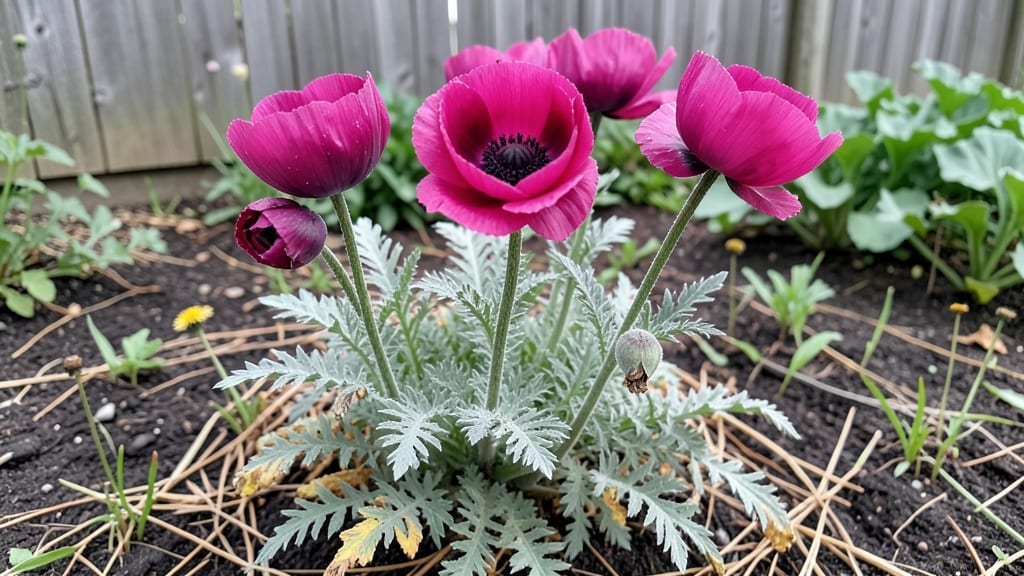
Growing pink oriental poppies means bold, cup-shaped blooms that steal the show in sunny garden beds. I fell for them after seeing how they transformed a patch of dry, rocky soil into a sea of velvety pink—something no other plant could do.
These aren’t your average annuals; they’re hardy perennials that come back year after year in zones 3-9, as long as you give them the right conditions.
The secret to their success starts with well-draining soil and full sun—think at least 6 hours of direct light daily. Plant seeds just ¼ inch deep in early spring or fall, spacing them 12-18 inches apart to give those massive blooms room to shine.
Water them deeply but infrequently; oriental poppies hate soggy roots and will sulk if overwatered. Once established, they’re surprisingly drought-tolerant.
Deadheading spent blooms keeps them flowering longer, and they’ll reward you with 3-4 weeks of continuous color in late spring to early summer. Pair them with lavender, catmint, or ornamental grasses for a striking contrast, and watch how they attract bees and butterflies like magnets.
The key is patience—these divas take a year or two to reach their full glory, but once they do, they’re worth every wait.
Here’s the plot twist: they’re fussy about transplanting, so start them directly in their permanent spot if possible. And if slugs or snails become a problem, a light mulch of gravel around the base keeps them at bay.
With the right care, these poppies become the star of your garden—year after year.
📚 In This Guide
- What you need
- Instructions
- Tips and common mistakes
- Wrapping up and next steps
What you need
- ● Pink Oriental Poppy Seeds – Choose certified organic or heirloom seeds for best results (1 packet covers ~50 plants).
- ● Well-draining potting mix or garden soil – Amend with compost (1 part compost to 3 parts soil) for nutrients.
- ● Containers or garden bed – 6-inch pots (for seedlings) or a sunny, open garden spot (6+ hours of direct sunlight).
- ○ Organic fertilizer (optional but recommended) – 5-10-10 balanced formula or fish emulsion for a nutrient boost.
- ● Hand trowel or small shovel – For planting seeds or transplanting.
- ● Spray bottle – To keep seeds moist during germination (avoid heavy watering!).
- ● Garden gloves – Protects hands from prickly stems (trust us, they’re sharp!).
- ● Mulch (straw or shredded leaves) – Helps retain moisture and suppress weeds.
- ○ Stakes or cages (optional) – Supports tall stems (especially in windy areas).
Step-by-step instructions for planting pink oriental poppies
Here’s how to grow these striking blooms with minimal fuss—just follow these clear steps.
Choose the Right Location for Maximum Sun
Pink Oriental poppies thrive in full sun, meaning at least 6 hours of direct sunlight daily. Select a spot where they’ll receive morning sun and afternoon light without harsh midday shadows. These poppies tolerate heat well, but avoid areas where afternoon sun fades early—this can lead to leggy stems and fewer blooms.
Test your spot by observing how sunlight moves across the garden. If nearby plants cast long shadows by midday, your poppies will need relocation. Amend the soil with 2-3 inches of compost before planting to improve drainage, as these poppies hate soggy roots. The ideal soil should feel crumbly when squeezed—not compacted or sticky.
Plant Seeds at the Correct Depth and Spacing
Sow seeds ¼ inch deep in early spring, about 4-6 weeks before your last frost date. Scatter them loosely—don’t press them in—since they need light to germinate. Space seeds 12-18 inches apart to allow room for their bold foliage and dramatic blooms. Overcrowding weakens stems and reduces flower production.
Keep the soil lightly moist but not soggy until germination, which typically takes 2-3 weeks. You’ll know seeds have sprouted when tiny round leaves (cotyledons) appear above the soil. Thin seedlings to 12 inches apart once they reach 2-3 inches tall, using sharp scissors to avoid disturbing roots.
Water Deeply but Infrequently After Establishment
Once seedlings are 3-4 inches tall, reduce watering to once a week unless rainfall provides 1 inch of moisture. Oriental poppies are drought-tolerant once established, but they need consistent moisture during their first growing season. Water deeply at the base—avoid overhead sprinkling, which can cause fungal issues.
Check soil moisture by sticking your finger 1-2 inches down. If it feels dry, water thoroughly until moisture reaches 6 inches deep. Yellowing leaves or wilting stems signal underwatering, while mushy stems or moldy soil mean overwatering. These poppies prefer well-drained soil—if your garden holds water, amend with sand or gravel.
Support Tall Stems and Deadhead for Longer Blooms
As stems grow 3-4 feet tall, they may need staking to prevent flopping, especially in windy areas. Use 3-foot bamboo stakes or small tomato cages placed gently beside each plant. Avoid tying stems tightly—just weave foliage through the support to keep them upright without restricting growth.
Deadhead spent blooms by snipping stems just above the first set of healthy leaves. This encourages a second flush of flowers later in the season. You’ll notice new buds forming at the base of the plant within 2-3 weeks of deadheading. Stop deadheading in late summer to allow seed heads to form for next year’s garden.
Overwinter Care for Perennial Growth
Pink Oriental poppies are hardy perennials in USDA zones 3-9, but they benefit from winter protection in colder climates. After the first frost, cut back dead foliage to 2 inches tall and mulch the base with 2-3 inches of straw or shredded leaves. This shields roots from extreme cold while allowing air circulation.
In spring, remove mulch once new growth appears—usually by mid-April in most regions. Avoid fertilizing in early spring, as these poppies prefer lean soil. Instead, side-dress with compost in early summer to support blooming. With proper care, your poppies will return year after year with bold, repeat performances.
Tips & tricks for perfect pink oriental poppy planting
These simple strategies will help you avoid common pitfalls and maximize the stunning blooms from your Pink Oriental poppies.
The Sunlight Secret: While the instructions mention at least 6 hours of direct sunlight daily, I recommend choosing spots that receive 8+ hours if possible. These poppies thrive in full sun, and the extra light leads to more robust stems and larger blooms. Watch for nearby structures or trees that might cast shadows later in the day—these can cause leggy growth and fewer flowers. If your garden has limited sun, consider growing them in containers where you can move them to sunnier spots as needed.
Seed Spacing Strategy: The instructions suggest spacing seeds 12-18 inches apart, but I’ve found that 15 inches works best in most gardens. This gives the poppies enough room to develop their dramatic foliage while preventing overcrowding. If you’re planting in rows, consider a 15-inch spacing between plants and 24 inches between rows for better air circulation and easier maintenance. Remember, these plants will grow 3-4 feet tall, so give them space to reach their full potential.
Germination Insight: When waiting for those 2-3 weeks of germination, patience is key—but don’t let the soil dry out completely. I like to use a light sprinkle of water every 2-3 days to keep the top inch of soil consistently moist. You’ll know you’re on the right track when you see those tiny round leaves (cotyledons) push through the soil. Once they appear, reduce watering slightly to prevent damping off, a common fungal issue in overly wet soil.
Watering Wisdom: The instructions mention reducing watering to once a week after seedlings reach 3-4 inches tall, but I’ve learned that consistency matters more than frequency. Instead of sticking to a weekly schedule, check soil moisture by sticking your finger 1-2 inches down—if it feels dry, that’s your cue to water. Oriental poppies are drought-tolerant once established, but they need deep watering to encourage strong root growth. Aim to water until moisture reaches 6 inches deep, which typically means 10-15 minutes of deep watering rather than a quick sprinkle.
Pro Tips for Pink Oriental Poppy
- These simple strategies will help you avoid common pitfalls and maximize the stunning blooms from your Pink Oriental poppies.
- The Sunlight Secret: While the instructions mention at least 6 hours of direct sunlight daily, I recommend choosing spots that receive 8+ hours if possible.
- Seed Spacing Strategy: The instructions suggest spacing seeds 12-18 inches apart, but I’ve found that 15 inches works best in most gardens.
Frequently asked questions
Got questions about growing pink oriental poppies? You’re not alone! Here are answers to the most common queries to help you cultivate these stunning blooms with confidence.
How long does it take for pink oriental poppies to bloom?
Pink oriental poppies typically bloom 60–90 days after planting seeds, depending on your climate and growing conditions. If started indoors in early spring, you can expect vibrant flowers by late spring or early summer. Patience pays off—these beauties are worth the wait!
Do pink oriental poppies need a lot of water?
Not at all! These drought-tolerant plants thrive with moderate watering—water deeply once a week (or when the top inch of soil feels dry). Overwatering can cause root rot, so well-draining soil is key. Once established, they’re surprisingly low-maintenance.
Can pink oriental poppies survive winter?
In colder climates (zones 3–7), pink oriental poppies are annuals and may not return after frost. However, they self-seed prolifically! In milder zones (8+), they may persist as perennials. For a head start next year, collect seeds before they scatter.
What’s the best alternative if I can’t grow pink oriental poppies?
If your conditions aren’t ideal, try these similar sun-loving bloomers:
- California poppies (drought-resistant, orange/yellow)
- Mexican sunflowers (bold, fast-growing)
- Cosmos (lightweight, self-seeding)
Why aren’t my pink oriental poppy seeds germinating?
Seeds need consistent moisture and warmth (60–70°F) to sprout. Try these fixes:
- Soak seeds overnight before planting.
- Use a heat mat for indoor starts.
- Plant in well-draining soil—avoid waterlogging.
Wrapping up and next steps
The pink oriental poppy is a stunning addition to sunny gardens, offering bold blooms that bring joy and color with minimal fuss. With the right soil, sunlight, and care, you’ll enjoy their delicate beauty year after year—whether in containers or garden beds.
Ready to transform your space? Start small—plant a few seeds or bulbs this season! 🌸 Whether you’re a beginner or a seasoned gardener, these poppies reward patience with breathtaking results. Happy growing!