
Companion Plants
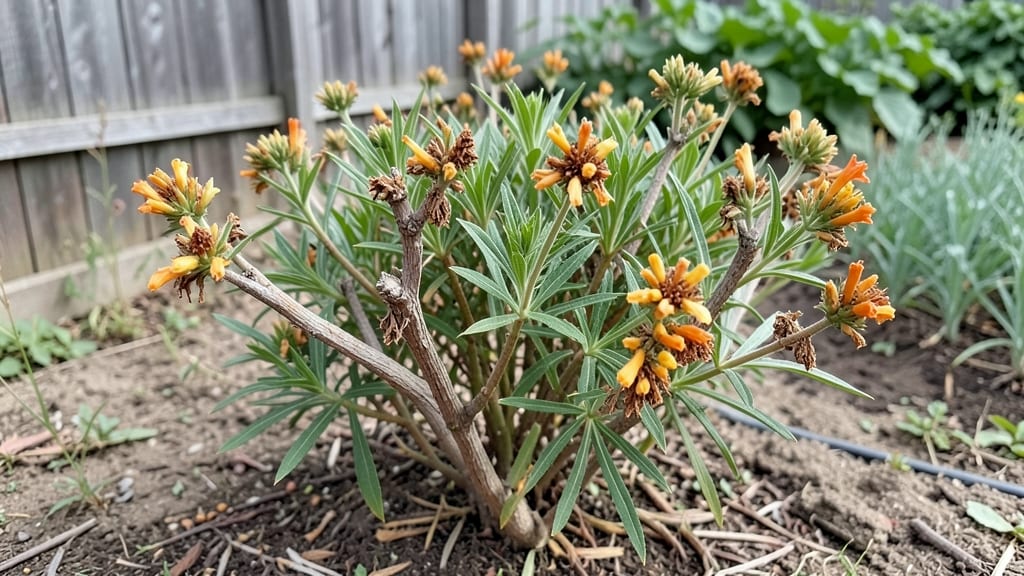
When your plants look like they're literally on fire—edges crisping, leaves turning brown—I've learned the hard way that this isn't just a cosmetic issue. 🌿 The problem stems from a mix of environmental stress, pest attacks, or even soil chemistry gone wrong, and without quick action, you could lose entire plants.
My first experience with this happened during a heatwave last summer, where my once-vibrant basil suddenly looked like it had been burned at the edges overnight.
The causes run the gamut: underwatering leaves plants thirsty and stressed, while overwatering suffocates roots and invites fungal infections. Pests like spider mites suck sap, leaving behind telltale brown patches, and even chemical exposure from fertilizers or pesticides can cause leaf scorch.
Environmental factors like sudden heat spikes or poor airflow make plants more vulnerable. The key is identifying the root cause—literally—by examining the pattern of browning and checking soil moisture, pest activity, and growing conditions.
Once you pinpoint the issue, recovery is often simpler than you'd think. Adjusting your watering routine, applying a light layer of mulch to retain moisture, or introducing companion plants like marigolds and nasturtiums can create a natural barrier against pests.
For chemical damage, flushing the soil with water helps dilute residues, and pruning affected leaves gives the plant a chance to redirect energy. With the right approach, you'll see new growth within a few weeks, and your plants will bounce back stronger than ever.
This method works for both container gardens and in-ground plantings, adapting easily to different climates. The goal is to restore balance—whether through better water practices, pest control, or soil adjustments—so your plants thrive instead of wither. Let's get your garden back to full, healthy color.
The Science Behind Flaming Foliage
When you spot plants that seem to burst into flames—literally or metaphorically—it’s rarely a sign of magic or supernatural forces. Instead, it’s a dramatic (and often alarming) response to specific environmental or biological stressors.
Understanding these triggers can help you prevent the problem before it starts. Here’s why it happens, broken down by the most common causes:
Plants don’t just wilt under intense sunlight—they can develop solar scorch, where leaves turn crispy, brown, or even appear charred. This isn’t combustion, but the visual effect can mimic fire damage.
- How it works: Excessive sunlight (especially in dry or hot conditions) causes oxidative stress in plant cells.
Chlorophyll breaks down faster than it can be replenished, leading to necrosis—dead tissue that looks like burn marks. - Key triggers: - Sudden exposure to full sun after shade acclimation (e.g., moving potted plants outdoors). - Reflective surfaces (light-colored walls, pavement) amplifying UV rays. - Water stress (dry soil + heat = accelerated damage). - Actionable fix: Gradually harden off plants, use shade cloth for sensitive varieties, and water deeply in the morning to reduce evaporation.
Some insects and pathogens don’t just nibble—they leave behind visible "burn" patterns as they feed or inject toxins. These can look like scorched edges or holes with a singed appearance.
- Common culprits:
- Sap-sucking pests (aphids, spider mites, whiteflies): Their saliva contains toxic enzymes that disrupt plant cell membranes, causing leaves to yellow or brown in patches.
- Caterpillars or beetles: Chewing leaves unevenly can create ragged, crispy edges that resemble fire damage.
- Fungal/bacterial infections (e.g., leaf spot diseases): Pathogens like Alternaria or Pseudomonas create necrotic lesions that look like burns.
- Visual clues:
- Sticky residue (honeydew) from pests.
- Webbing or tiny eggs on undersides of leaves.
- Fungal spores (moldy growth) in damp conditions.
- Actionable fix: Inspect leaves regularly, use neem oil or insecticidal soap, and prune infected foliage immediately.
Too much of a good thing can turn your garden into a literal inferno of over-fertilization. Salt buildup from fertilizers or improper watering can scorch plant tissues, leaving behind crispy, fire-like damage.
- How it happens:
- Excessive nitrogen (common in synthetic fertilizers) can cause salt stress, disrupting water uptake and leading to leaf tip burn.
- Over-salination from tap water (high in chlorides/sulfates) or osmotic shock when roots can’t absorb water fast enough.
- Herbicide drift or pesticide residue on leaves can act like accelerant, causing chemical burns.
- Symptoms to watch for:
- Brown, curled leaf edges.
- Yellowing between veins (a classic sign of salt toxicity).
- Stunted growth despite "feeding" the plant.
- Actionable fix:
- Flush soil with rainwater (low in salts) to dilute buildup.
- Use organic, slow-release fertilizers (e.g., compost or worm castings).
- Test soil pH—aim for 6.0–7.0 for most plants.
Extreme weather or abrupt changes can trigger physiological disorders that make plants look like they’ve been torched—without any actual flames.
- Cold or heat shock:
- Frost damage: Ice crystals rupture cell walls, causing brown, water-soaked patches that dry into crispy textures.
- Heat waves: Temperatures above 90°F (32°C) can cause protein denaturation in leaves, leading to bleached or scorched areas.
- Windburn:
- High winds desiccate leaves by increasing transpiration rates, leaving dry, papery edges that resemble burn marks.
- Water-related stress:
- Overwatering: Roots suffocate, starving leaves of oxygen and causing yellowing with brown tips (like a slow-burn effect).
- Underwatering: Cells collapse from dehydration, turning leaves brittle and brittle (often starting at the edges).
- Actionable fix:
- Mulch to regulate soil temperature.
- Acclimate plants slowly to temperature changes.
- Use windbreaks (e.g., burlap screens) for delicate foliage.
Yes, plants can literally catch fire—or at least look like they have—due to human error or infrastructure issues.
- Power surges or faulty wiring:
- Holiday lights, extension cords, or solar panels near flammable plants (e.g., dried grasses, mulch) can ignite them, especially in dry conditions.
- Static electricity from synthetic fabrics (e.g., windbreaks) can create sparks in arid climates.
- Tools or equipment:
- Lawnmowers, string trimmers, or power tools can throw debris or sparks onto plants, causing localized burns.
- Actionable fix:
- Keep 3 feet of clearance between plants and power sources.
- Use metal tools (not plastic) to avoid static buildup.
- Water plants thoroughly before mowing to reduce fire risk.
Stopping Plant Fires Naturally
When your garden greens start looking like a smoldering campfire, it’s time to act fast—but not with harsh chemicals. The good news? Companion plants and simple fixes can turn the heat down and keep pests from turning your garden into a wildfire.
Here’s how to tackle the problem by cause and prevent future flare-ups.
Fix: Thin out dense foliage and improve circulation.
- Prune aggressively 🌿—cut back overgrown branches or leaves blocking airflow, especially around heat-loving plants like tomatoes or peppers.
- Space plants strategically—follow seed packet guidelines (or double them) to avoid crowding.
- Use reflective mulch 🌞—lay white gravel or straw around sun-stressed plants to deflect excess heat.
Prevention Tip: 💡 Group heat-tolerant plants together (e.g., basil, rosemary, oregano) and shield them from midday sun with shade cloth if needed.
Fix: Deploy natural pest barriers with companion plants.
- Plant "firebreak" companions 🌱—marigolds (nematode-repelling), garlic (aphid-deterring), or nasturtiums (squash bug magnets) around vulnerable plants.
- Introduce beneficial insects 🐝—ladybugs (for aphids) or lacewings (for soft-bodied pests) reduce stress fires caused by chewing insects.
- Spray neem oil 🌿—a light mix (1 tsp per quart of water) deters pests without harming plants or pollinators.
Prevention Tip: ✨ Rotate crops yearly to starve pest cycles and keep plants resilient.
Fix: Adjust your watering game with precision.
- Water deeply but infrequently 💦—1–2 inches per week (check soil moisture 2 inches down; if dry, water).
- Use drip irrigation 🔧—keeps leaves dry, reducing fungal "burn" spots.
- Mulch heavily 🌾—3–4 inches of straw or wood chips retain moisture and cool roots.
Prevention Tip: 🌡️ Water in early morning to minimize evaporation and fungal growth.
Fix: Shield plants and boost their heat resistance.
- Provide shade ☀️—use row covers or temporary shade cloth (30–50% block) during peak sun (10 AM–4 PM).
- Mist leaves lightly 💧—early morning misting (not soaking) can cool foliage temporarily.
- Choose heat-loving varieties 🌶️—switch to drought-resistant plants like okra, Swiss chard, or black-eyed peas if your climate is brutal.
Prevention Tip: 🎯 Test soil moisture weekly—dry soil = stressed plants = fire hazards.
Fix: Flush the system and adjust feeding.
- Leach the soil 💦—water heavily to dilute excess salts or chemicals.
- Switch to organic fertilizers 🌱—compost tea or fish emulsion feeds without burning.
- Avoid overhead watering after fertilizing 🚫—always water soil, not leaves.
Prevention Tip: 💡 Do a soil test first—know your pH and nutrient levels before amending.
Final Pro Tip: 🌿 Observe your garden daily—catch early signs of stress (yellowing, wilting, or pest activity) before they turn into full-blown "fires." With these fixes, your plants will thrive without the smoke!
Frequently asked questions
Why do my plant leaves look like they're burning at the edges?
This is often caused by underwatering or overwatering, where roots struggle to supply moisture. Check soil moisture 2 inches down—if dry, water deeply; if soggy, let it dry out. Salt buildup from fertilizers or hard water can also create crispy edges, so flush soil with rainwater if needed.
Can spider mites make plants look like they're on fire?
Spider mites suck sap, leaving behind yellow stippling and brown, crispy patches that resemble burns. Inspect leaves for tiny webs or specks, then treat with neem oil or a strong spray of water to dislodge them. Introducing ladybugs can also help control infestations naturally.
How do I tell if my plants are getting too much sun?
Look for bleached or crispy spots on leaves facing the sun, often with yellowing between veins. If plants were recently moved outdoors, they may need shade cloth (30-50%) for gradual acclimation. Water deeply in the morning to reduce evaporation and stress.
Will pruning help plants recover from "burn" damage?
Yes! Prune affected leaves immediately to stop nutrient loss and encourage new growth. Focus on removing only the most damaged areas—healthy tissue can still recover. For severe cases, trim back by 1/3 to reduce stress on the plant.
Can companion plants really prevent "fire" damage?
Planting marigolds (repel pests) or basil (shades roots) near vulnerable plants creates a protective barrier. These companions improve airflow, deter pests, and help regulate soil temperature—all key to preventing stress-related "burn" symptoms.