
Trees
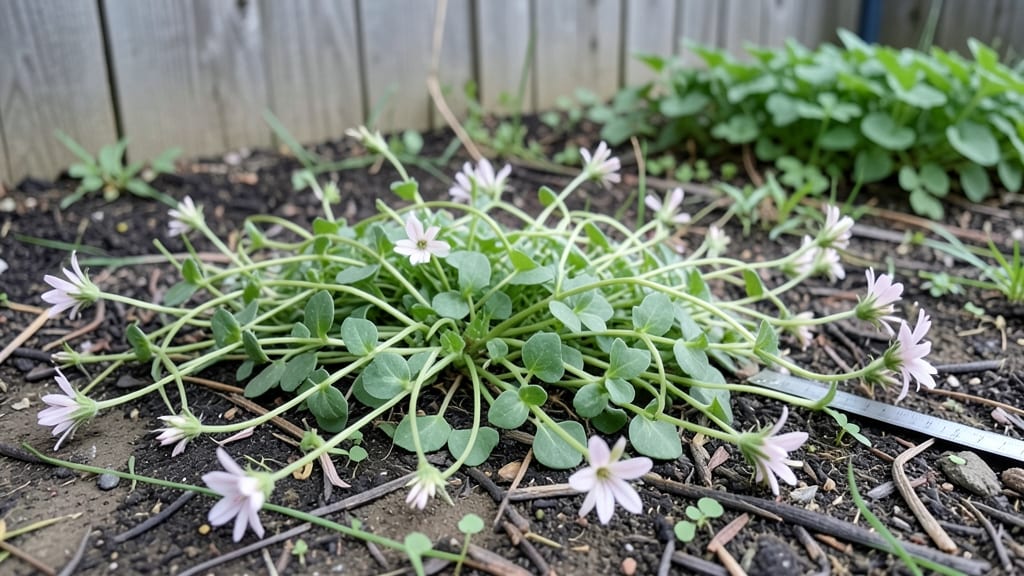
The identification of prostrate knotweed begins with spotting its low-growing, sprawling habit and tiny, almost papery leaves—often mistaken for clover or creeping charlie, but with a telltale dense mat of ground cover. forming a carpet-like layer.
The leaves are arrowhead-shaped with a slightly waxy texture, and the stems root at every node—something most ground covers don’t do.
Here’s what sets it apart: prostrate knotweed produces clusters of tiny white or pink flowers in late summer, unlike clover’s distinct yellow blooms. Its stems stay green year-round in mild climates, while many weeds turn brown or die back in winter.
If you’re unsure, check for these rooted nodes along the stems—they’re a dead giveaway.
The real question is whether it’s a problem. While it can outcompete native plants in gardens, it’s not as aggressive as other invasive knotweeds. That said, it can still smother lawns and flower beds if left unchecked.
If you’re in an area with strict invasive species regulations, pull it early—local authorities often want reports on plants like this.
Start by snapping a photo of the leaves, stems, and flowers for comparison. If you’re dealing with a large patch, focus on removing just the edges first.
That slows its spread while you decide whether to treat it as a weed or embrace it as a low-maintenance ground cover—if your garden can handle its persistence.
Root Causes Of Spread
Prostrate knotweed—Polygonum aviculare—thrives in disturbed soils and spreads aggressively due to a mix of biological, environmental, and human-influenced factors. Understanding these causes helps explain why it dominates landscapes, outcompetes native plants, and becomes a persistent nuisance. Below, we break down the key reasons behind its relentless growth.
Prostrate knotweed relies heavily on passive seed dispersal, making it a master of opportunistic colonization. Its tiny, lightweight seeds (called achenes) are easily carried by:
- Wind: A single plant can produce 40,000+ seeds per season, and even gentle breezes scatter them over 30+ feet. Urban areas, construction sites, and open fields become prime targets.
- Animals: Birds, rodents, and even livestock ingest seeds (often while eating nearby vegetation) and deposit them in feces far from the original plant. Deer and rabbits are particularly effective spreaders in rural areas.
- Water movement: Seeds float briefly, allowing streams or irrigation runoff to transport them into new soil pockets.
Pro Tip: 🌡️ Timing matters—seeds germinate best in spring and fall when soil moisture is high. Targeting these seasons for pre-emergent herbicide or mulching can disrupt its lifecycle.
Prostrate knotweed is a pioneer species, meaning it exploits disrupted ecosystems left by human actions. Common triggers include:
| Activity | How It Helps Knotweed |
|---|---|
| Construction | Exposed soil and compacted areas create ideal germination zones. Roadside cracks and sidewalk gaps become hotspots. |
| Agriculture | Tilling, plowing, and harvesting equipment buries seeds deeper, delaying germination but ensuring survival. No-till farming can inadvertently concentrate seeds near the surface. |
| Landscaping | Over-pruning, mulching with contaminated wood chips, or using infested topsoil for gardens accidentally introduces seeds. |
| Recreational Use | Hiking trails, ATV paths, and even dog urine (which alters soil nitrogen levels) can stimulate seed germination. |
Key Insight: 🔥 Knotweed thrives in "weedy" environments—areas where native vegetation has been removed. Restoring ground cover with clover, creeping thyme, or native grasses starves it out by competing for light and nutrients.
Prostrate knotweed isn’t picky, but it prefers conditions that amplify its growth. Its adaptability stems from:
- Drought tolerance: Deep root systems (up to 12 inches) allow it to survive in poorly drained or sandy soils. Once established, it outcompetes shallow-rooted plants during dry spells.
- Nutrient flexibility: It grows in low-fertility soils but explodes in nitrogen-rich environments (e.g., near fertilized lawns or compost heaps).
- Temperature resilience: Germinates in 40–85°F ranges but stays dormant in extreme cold (below 20°F). Urban "heat islands" can extend its growing season.
- Light adaptability: While it prefers full sun, it tolerates partial shade, making it a garden invader under trees or shrubs.
Actionable Tip: ✨ Soil solarization—covering infested areas with clear plastic for 6+ weeks in summer—can raise soil temps to 120°F+, killing seeds and roots.
Unlike many invasive species, prostrate knotweed has few natural enemies in North America. While some insects (e.g., leafhoppers) may feed on it, they don’t control populations. Key reasons for its dominance:
- Chemical defenses: Its leaves contain tannins and oxalates, which deter herbivores and decomposers.
- Rapid regrowth: Even if grazed or mowed, it resprouts from nodes along its stems, making mechanical removal ineffective long-term.
- Alleopathic effects: It releases chemicals into the soil that suppress competing plants, creating a "monoculture" effect.
Biological Control Note: 💡 No approved biological controls exist yet, but research is exploring mycorrhizal fungi that may inhibit its root growth without harming native plants.
How to Remove & Prevent Spread
Prostrate knotweed may look like a harmless ground cover, but its invasive nature can quickly turn a garden into an ecological nightmare. The good news? With the right approach, you can eliminate it effectively and stop it from returning.
Below, we break down practical solutions based on the root causes of its spread—from manual removal to long-term prevention.
If your infestation is small, physical removal can work—but only if done correctly. Prostrate knotweed spreads via rhizomes (underground stems), so cutting it at the surface won’t stop regrowth.
🍳 Step 1: Wear Protective Gear
Before you start, suit up to avoid skin irritation:
- Long sleeves & gloves (nitrile or leather)
- Eye protection (safety goggles)
- Closed-toe shoes or boots
👨🍳 Step 2: Dig Out the Roots
- Use a shovel or garden fork to dig deep (at least 6–12 inches below the soil surface).
- Pull up the entire plant, including the rhizome system—even small fragments can regrow.
- Bag the plant immediately and dispose of it (do not compost—it can sprout again!).
🥘 Step 3: Solarize the Soil (Optional but Effective)
After removal, kill remaining rhizomes with solarization:
- Water the area thoroughly.
- Cover it with clear plastic sheeting (secured tightly).
- Leave it for 4–6 weeks in hot sun (kills dormant roots).
- Remove the plastic and recheck for regrowth.
✅ Pro Tip: Reapply mulch (wood chips or gravel) to smother any missed rhizomes.
For large or stubborn infestations, herbicides may be necessary. Glyphosate-based or triclopyr (for woody plants) are effective, but timing and precision matter.
⏰ Best Time to Apply
- Early spring (before new growth emerges) or late summer (when plants are actively growing).
- Avoid spraying if rain is forecasted within 24 hours (washes off the herbicide).
🎯 Application Tips
- Spot-treat (don’t spray entire lawns—knotweed is sensitive to overspray).
- Use a wetting agent to ensure full coverage (knotweed has waxy leaves).
- Reapply if regrowth appears (sometimes 2–3 treatments are needed).
⚠️ Warning: Herbicides can harm nearby plants—test a small area first.
Once you’ve removed prostrate knotweed, prevent reinfestation with these smart strategies:
💡 Monitor & Maintain
- Inspect your garden regularly (especially after rain or disturbances).
- Remove any new shoots immediately—don’t let them take root!
🌡️ Soil & Landscape Adjustments
- Improve drainage (knotweed thrives in wet soils—amend with compost or sand).
- Plant competitive ground covers (clover, creeping thyme, or sedum) to outcompete it.
- Avoid tilling—it can spread rhizome fragments.
✨ Legal & Ecological Steps
- Check local regulations—some areas require reporting invasive species.
- Clean tools & equipment (sterilize with bleach or rubbing alcohol) after working in infested areas.
- Avoid buying contaminated soil (sterilize new soil with heat or solarization).
| Problem | Solution | Prevention Tip |
|---|---|---|
| Small patches | Manual digging + solarization | Mulch heavily to block regrowth |
| Large infestations | Herbicide (glyphosate/triclopyr) | Spot-treat only, avoid overspray |
| Persistent regrowth | Repeat treatments + soil checks | Plant competitive ground covers |
| Spread to new areas | Sterilize tools & monitor soil | Improve drainage to discourage growth |
By acting fast and methodically, you can eradicating prostrate knotweed and keep your garden healthy for years. Stay vigilant—the key to long-term success is early detection and consistent prevention!
Frequently asked questions
How do I tell prostrate knotweed apart from clover or creeping charlie?
Look for arrowhead-shaped leaves with a waxy texture and stems that root at every node—unlike clover, which has trifoliate leaves and doesn’t root along stems. Prostrate knotweed also forms dense mats without the white clover flowers or creeping charlie’s distinctive heart-shaped leaves.
Is prostrate knotweed harmful to gardens or ecosystems?
While less aggressive than other invasive knotweeds, it can smother lawns and flower beds by outcompeting native plants. Its rhizome system spreads underground, making removal difficult. Check local regulations—some areas require reporting invasive species like this.
Can I safely use vinegar to kill prostrate knotweed?
Household vinegar (5% acidity) may weaken the plant, but it’s rarely strong enough to kill rhizomes. For better results, use 20-30% horticultural vinegar (with soap) in dry, sunny conditions
What’s the best time of year to remove prostrate knotweed?
Target early spring (before new growth) or late summer (when plants are actively growing). Avoid winter—rhizomes can survive cold and regrow when temps rise. For herbicide use, apply on warm, dry days to maximize effectiveness.
Will goats or chickens eat prostrate knotweed?
While goats and chickens may nibble on young shoots, they won’t eradicate it—this plant contains tannins and oxalates that deter herbivores. Grazing can actually stimulate regrowth by spreading seeds via manure. Mechanical removal or herbicides work better for control.