
Pruning
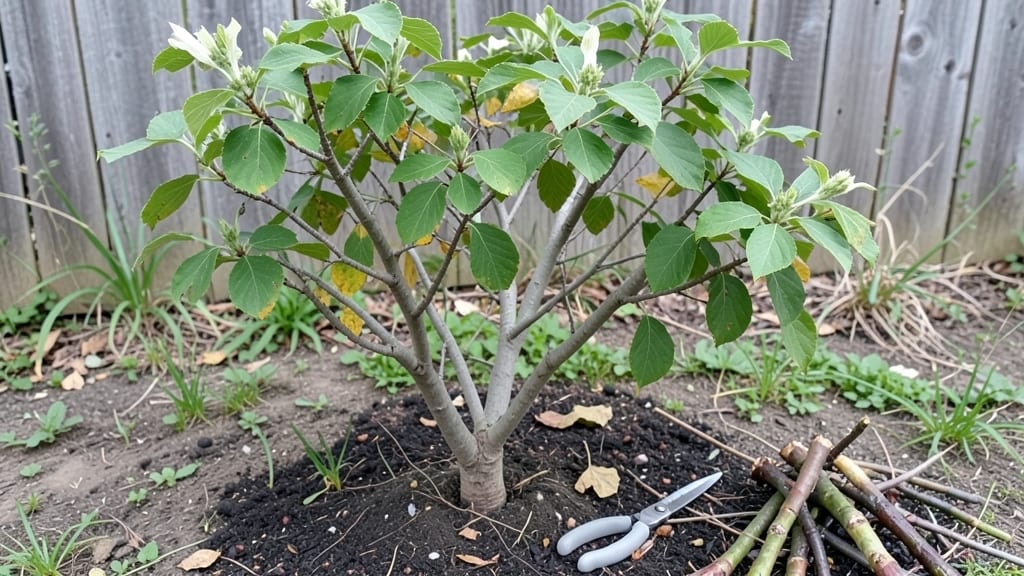
Pruning dogwood shrubs transforms them from scraggly shadows into showstopping focal points—if you time it right. I’ve watched my own dogwoods go from sad, tangled messes to vibrant, blooming stars after mastering just a few key cuts.
The difference between a thriving shrub and one struggling for sunlight comes down to when and how you prune.
Most gardeners mess this up by cutting at the wrong time or hacking away without a plan. You only need three basic tools: sharp bypass pruners, loppers for thicker branches, and a clean hand saw for stubborn growth.
The real secret? Pruning in late winter or early spring—right before new growth starts—gives your dogwood the best chance to rebound with fresh, healthy branches. And yes, I mean before the flowers appear, not after.
When done correctly, your dogwood will reward you with more abundant blooms, better airflow to prevent disease, and a shape that actually looks intentional. You’ll notice new shoots emerging within weeks, and those telltale pink or white flowers will return bigger and brighter than ever.
The key is removing dead wood first, then thinning out crowded branches to let light reach the center.
This method works for both flowering and ornamental dogwoods, whether you’ve got a single shrub or a whole hedge. The only rule? Never prune more than one-third of the shrub at a time, or you’ll shock it into decline.
Let’s get those branches looking sharp—your dogwood will thank you for years.
📚 In This Guide
- What you need
- Instructions
- Tips and common mistakes
- Wrapping up and next steps
What you need
- ● Pruning shears: Bypass pruners (for clean cuts on small stems, 4-6 inch blades) – 1 pair.
- ● Loppers: Bypass or anvil type (for thicker branches, 8-12 inch blades) – 1 pair.
- ● Pruning saw: Curved-tooth saw (for branches 1 inch or thicker) – 1.
- ● Gloves: Heavy-duty, cut-resistant (to protect hands from thorns and sharp edges) – 1 pair.
- ● Disinfectant: 70% isopropyl alcohol or bleach solution (1 part bleach to 9 parts water) (to sterilize tools between cuts and prevent disease spread).
- ● Rag or paper towels: For wiping tools clean.
- ● Ladder or stool: (if shrubs exceed 6 feet tall) – 1.
- ● Trash bags: (for collecting pruned branches) – 2-3.
- ● Hand pruners with ratcheting mechanism: For easier cutting of stubborn branches.
- ● Extension pole pruners: (for high branches without a ladder).
- ● Sharpener: (to keep blades in top condition).
- ● Garden kneeler or pad: (for comfort during ground-level pruning).
- ● Safety glasses: (to protect eyes from debris).
- ● Marking spray or paint: (to label branches for future reference).
- ● Check the weather forecast – aim for a mild, dry day (avoid pruning if rain is expected within 24 hours).
- ● Review your dogwood’s growth habits (e.g., flowering time, disease history).
- ● Have a clear plan (sketch or notes) of what you want to achieve (e.g., shaping, thinning, rejuvenation).
- ● Ensure tools are clean and sharp before starting.
Instructions for pruning dogwood shrubs with precision timing
Here's how I keep dogwoods thriving year-round with the right cuts at the right time.
Plan Your Pruning Schedule by Season
Dogwoods respond best to seasonal pruning, so mark these key times on your calendar: late winter to early spring (just before buds swell) for major shaping, and summer (after flowering) for light maintenance. Avoid pruning in fall—it invites disease and weakens the plant before winter. I always start with a quick inspection in late February to spot dead branches that need immediate removal.
Use a sharp pair of pruning shears to make clean cuts at a 45-degree angle just above a bud or branch collar. This prevents water from pooling and causing rot. If you're dealing with larger branches over 1 inch in diameter, switch to a pruning saw for precision without tearing the bark.
Remove Dead, Diseased, or Damaged Branches First
Scan the shrub from top to bottom and cut out any branches that are brown, mushy, or hollow—these are entry points for pests and disease. If you see blackened cankers or oozing sap, sterilize your tools with rubbing alcohol between cuts to prevent spreading pathogens. I like to bag these branches and dispose of them in the trash, not the compost, to avoid contaminating other plants.
Next, look for crossing branches or those rubbing against each other—these create wounds that weaken the shrub over time. Remove the smaller of the two branches at its base. You’ll notice the plant’s natural shape emerge as you clear out these problem areas. This step alone improves airflow and reduces future pruning headaches.
Thin Out Overcrowded Areas for Better Airflow
Dogwoods grow dense, so selectively thin branches to open up the center of the shrub. Aim to remove no more than 25% of the foliage in a single session—this prevents shock. Start at the outer edges and work inward, cutting back branches that are growing inward or downward. The goal is to create a balanced, vase-like shape with sunlight reaching all parts of the plant.
Watch for water sprouts—those fast-growing, vertical shoots that pop up along the trunk or branches. These sap suckers drain energy from the shrub. Snip them off at the base as soon as you spot them. You’ll see the plant redirect its energy to stronger, healthier growth within weeks.
Shape and Refine the Shrub’s Form
Now it’s time to refine the overall shape while preserving the dogwood’s natural elegance. Step back and visualize the shrub’s ideal form—most dogwoods have a rounded, layered silhouette. Use your pruning shears to shorten overlong branches by cutting just above a bud that faces outward. Avoid leaving stubs, as they invite disease and slow regrowth.
For flowering dogwoods, be extra cautious not to cut back branches that produced blooms the previous year—these are the ones that will flower again. If you accidentally remove too much, the shrub may skip flowering that season. I like to prune lightly in summer (after blooms fade) to encourage a second flush of growth before winter.
Clean Up and Monitor for Recovery
After pruning, sterilize your tools again with rubbing alcohol and clean up all debris from the base of the shrub. This prevents pests and diseases from taking hold. Water the shrub deeply to help it recover, especially if you’ve made heavy cuts. You’ll notice new growth emerging from the buds within 3-4 weeks—this is your sign that the pruning was successful.
Keep an eye on the shrub over the next few weeks for any signs of stress, like yellowing leaves or wilting. If you see excessive dieback, you may have pruned too aggressively. Dogwoods are resilient, but they reward patience. With the right timing and technique, your shrub will reward you with vibrant blooms and lush foliage for years to come.
Tips & tricks for pruning dogwood shrubs
Precision timing and technique make all the difference when pruning dogwoods—here's how to avoid common mistakes and get professional results.
Seasonal Timing is Everything: The late winter to early spring window (just before buds swell) is critical for major shaping. I've learned this the hard way—pruning too early can damage dormant buds, while waiting too long risks cutting off new growth. Mark your calendar for late February to ensure you're ready when the time comes. For summer maintenance, wait until after flowering to avoid removing next year's blooms.
Tool Sharpness and Angle Matter: A dull pair of pruning shears creates jagged cuts that invite disease. Always use sharp tools and make clean cuts at a 45-degree angle just above a bud or branch collar. This simple technique prevents water pooling that leads to rot. For branches over 1 inch in diameter, switch to a pruning saw—your shears will thank you, and your dogwood will heal better.
The 25% Rule Prevents Shock: Dogwoods are resilient, but removing more than 25% of foliage in one session can stress the plant. I've seen beautiful shrubs suffer from over-pruning—stick to this guideline when thinning crowded areas. Start at the outer edges and work inward, focusing on branches growing inward or downward to improve airflow without compromising structure.
Sterilization is Non-Negotiable: Between every cut, especially when dealing with diseased branches, sterilize your tools with rubbing alcohol. I've had to replace tools when they became contaminated with pathogens—don't make my mistake. Bag and dispose of infected branches in the trash, not compost, to prevent spreading disease to other plants in your garden.
Pro Tips for Pruning Dogwood Shrubs
- Precision timing and technique make all the difference when pruning dogwoods—here's how to avoid common mistakes and get professional results.
- Seasonal Timing is Everything: The late winter to early spring window (just before buds swell) is critical for major shaping.
- Tool Sharpness and Angle Matter: A dull pair of pruning shears creates jagged cuts that invite disease.
Frequently asked questions
When is the best time to prune dogwood shrubs?
The ideal window is late winter or early spring (just before new growth starts) to avoid stressing the plant. For light shaping, summer pruning is fine, but avoid heavy cuts then. Never prune in fall—it can invite disease. Pro tip: If you see dead or diseased branches, remove them anytime to protect the rest of the shrub.
How much can I trim back my dogwood without harming it?
Dogwoods are resilient, but never remove more than 25% of the foliage in one season. Over-pruning stresses the plant and can lead to weak growth or disease. For mature shrubs, aim for 10–15% annual reduction to maintain shape. Focus on thinning out crowded branches first—they’re the real culprits behind poor airflow and pests.
My dogwood leaves are yellowing after pruning—what went wrong?
Yellowing leaves often signal over-pruning, disease, or improper timing. If you cut too late in the season (fall/winter), the plant may struggle to heal. Check for powdery mildew or fungal spots—sterilize tools with rubbing alcohol if you see these. Boost recovery by watering deeply and applying a balanced fertilizer in spring.
Can I prune dogwood shrubs in winter for better spring blooms?
Pruning in dormant winter (Dec–Feb) is safe, but it won’t improve blooms—dogwoods set buds the previous summer! Heavy winter cuts may even reduce next year’s flowers. Instead, prune lightly to shape, and focus on removing dead wood. Save major pruning for early spring when buds are forming.
What’s the difference between pruning a flowering dogwood vs. non-flowering?
Flowering dogwoods (Cornus florida) need gentle pruning—never cut back more than 1/3 of the plant, or you’ll sacrifice blooms. Non-flowering varieties (like Cornus kousa) are more forgiving and can handle heavier shaping. For flowering types, prune immediately after blooming to preserve next year’s flowers.
| Quick Troubleshooting Guide |
|---|
| Problem: No flowers this year |
| Solution: Check if you pruned too late (after June). Dogwoods need last year’s growth to bloom! |
| Problem: Branches dying back |
| Solution: Thin out crowded branches to improve airflow. Sterilize tools to prevent spread. |
| Problem: Weak, leggy growth |
| Solution: Prune back overlong branches by 1/3 to encourage bushier growth. |
Wrapping up and next steps
Pruning your dogwood shrubs doesn’t have to be intimidating—with the right timing, tools, and techniques, you can keep them thriving year after year! 🌿 Whether you’re shaping for aesthetics, boosting blooms, or maintaining health, precision and patience are your best allies.
Now that you’re armed with the know-how, grab those shears and give your dogwoods the care they deserve.
Ready to take the next step? Mark your calendar for your next pruning session and watch your shrubs flourish with confidence! 🌸