
Pruning
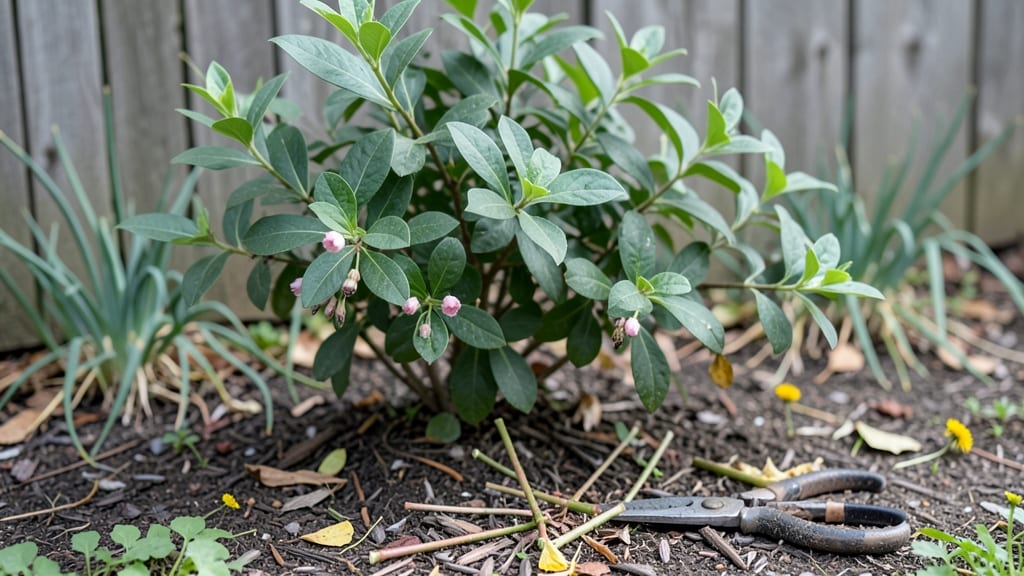
Pruning euonymus shrubs keeps them lush and tidy all year—no more scraggly branches ruining your landscape. 🌿 I’ve pruned these tough shrubs for years, and the key is timing: late winter or early spring when new growth starts. That’s when you shape without stressing the plant.
You’ll need sharp bypass pruners, gloves, and maybe a small saw for thicker branches. Dead or diseased wood is easy to spot—it’s brown, brittle, or missing bark.
Cut those out first, then thin out crowded stems to improve airflow. The goal? A full, balanced shape that stays neat without looking hacked.
After pruning, your euonymus will bounce back fast. New growth appears within weeks, and the vibrant green leaves pop even harder. Just avoid cutting into old wood—euonymus blooms on new growth, so prune just above a leaf bud or lateral branch.
The result? A shrub that stays dense, healthy, and picture-perfect.
Works for both formal hedges and natural shapes. Want to rejuvenate an overgrown shrub? We’ll cover that too—plus how to avoid the biggest pruning mistakes. Let’s get those shears ready!
📚 In This Guide
- What you need
- Instructions
- Tips and common mistakes
- Wrapping up and next steps
What you need
- ● Bypass pruners: Sharp, high-quality pruners (e.g., Felco or Fiskars) for clean cuts on small to medium stems (4mm–25mm thick). Quantity: 1 pair.
- ● Loppers: For thicker branches (25mm–75mm). Look for bypass or anvil types with a long handle (30–40 inches) for leverage. Quantity: 1 pair.
- ● Pruning saw: For stubborn, woody stems (>75mm). A curved blade (e.g., Felco 12) works best. Quantity: 1.
- ● Gloves: Heavy-duty, cut-resistant gloves (e.g., Mechanix or Cobratex) to protect hands from thorns and sap. Quantity: 1 pair.
- ● Disinfectant: 70% isopropyl alcohol or a pruning sealant (e.g., Tanglefoot Pruning Seal) to prevent disease spread.
- ● Ladder: A sturdy, extension ladder (6–8 ft) for tall shrubs (10+ ft). Safety tip: Use stabilizers!
- ● Hedge shears: For fine-tuning formal hedges (e.g., Fiskars Ergo). Quantity: 1 pair.
- ● Twine or zip ties: To temporarily secure branches during pruning.
- ● Trash bags: Heavy-duty (30+ gallon) for debris cleanup.
- ● Safety glasses: To shield eyes from debris.
- ● Weather check: Prune on a dry, overcast day (avoid wind or rain).
- ● Safety gear: Long sleeves/pants to protect from thorns and sap.
- ● Clean workspace: Lay down tarps or cardboard to catch debris.
- ● Research: Know your euonymus variety—some (like Euonymus japonicus) bloom on old wood!
Step-by-step instructions for pruning euonymus shrubs
Here’s how I keep my euonymus looking sharp year-round—no messy overgrowth or sad, leggy branches.
✂️ Step 1: Time Your Pruning for Best Results
Euonymus responds best to pruning in late winter or early spring, just as new growth begins. This is when the plant’s energy shifts from dormancy to growth, making it easier to shape without stressing the shrub. Avoid pruning in fall—new growth can’t harden off before winter, leaving it vulnerable to frost damage.
If you need to tidy up after summer blooms, do a light trim in early fall, but keep it minimal. The key is to never remove more than one-third of the plant’s foliage in a single session. I always check the buds first—if they’re still tight and dormant, it’s too early.
✂️ Step 2: Gather Tools and Sanitize for Healthy Cuts
Use sharp, clean pruning shears for clean cuts—dull blades tear stems and invite disease. I dip my shears in rubbing alcohol between cuts to prevent spreading fungal spores. For thicker branches over ½ inch, switch to loppers or a pruning saw to avoid damaging the plant.
Never use hedge trimmers for euonymus—they create jagged cuts that heal poorly. Instead, I make cuts at a 45-degree angle, just above a leaf node or outward-facing bud. This encourages new growth to fill in neatly. If you’re removing a large branch, cut back to a lateral branch or the main stem to maintain structure.
✂️ Step 3: Shape the Shrub with Purposeful Cuts
Start by removing dead, diseased, or crossing branches first—these compete for energy and weaken the plant. Next, thin out the center to improve airflow, which reduces fungal risks. Euonymus grows densely, so I aim to open up the interior while keeping the outer shape intact.
For formal hedges, I step back every few cuts to check symmetry. For natural shapes, I follow the plant’s growth habit, removing only what disrupts the balance. Watch for water sprouts—those fast-growing, vertical shoots—and cut them back to a side branch. They drain energy and look unkempt.
✂️ Step 4: Finish with a Clean-Up Trim
After major cuts, do a final pass to tidy up any rough edges or stray branches. Euonymus responds well to gradual shaping, so I avoid heavy pruning in one session. If the shrub looks sparse after trimming, it’s a sign you’ve gone too far—wait until next spring to prune lightly instead.
Rake up and dispose of all clippings, especially if they show signs of disease. I compost healthy trimmings separately. Water the shrub deeply after pruning to help it recover, but avoid overwatering—euonymus prefers well-drained soil and can rot if soggy.
⏰ Step 5: Monitor and Adjust Through the Year
Check your euonymus every 4-6 weeks for new growth or missed branches. If it starts to look uneven, a light trim with shears keeps it tidy without stressing the plant. In summer, I do a quick check for pests like scale or spider mites—early intervention prevents major damage.
By late fall, euonymus often develops colorful stems—this is its natural winter beauty. Avoid heavy pruning now, but you can lightly shape to enhance the display. Next year, start the cycle again with your late-winter trim. Consistency is key to keeping euonymus looking effortlessly polished.
Tips & tricks for perfect euonymus shrub pruning
Keeping your euonymus looking its best takes more than just grabbing some shears—it’s about understanding the plant’s natural rhythms and making strategic cuts. Here’s what I’ve learned after years of trial and error to keep my shrubs thriving.
The Seasonal Timing Secret: Late winter or early spring is your golden window for pruning euonymus, right when those buds start to swell but before new growth has begun. I’ve made the mistake of pruning in fall too many times—new growth simply can’t harden off before winter, leaving tender stems vulnerable to frost damage. If you must trim in summer after blooms, keep it light and never remove more than one-third of the foliage at once.
Tool Precision Matters: Sharp, clean pruning shears are non-negotiable—dull blades tear stems instead of making clean cuts, which invites disease and weakens the plant. I keep a small bottle of rubbing alcohol handy to sanitize my tools between cuts. For branches thicker than ½ inch, switch to loppers or a pruning saw to avoid crushing the stems. And never, ever use hedge trimmers—they create jagged wounds that heal poorly.
Cutting Technique That Makes a Difference: When you make your cuts, aim for a 45-degree angle just above an outward-facing bud or leaf node. This encourages new growth to fill in neatly rather than leaving unsightly gaps. For large branches, always cut back to a lateral branch or main stem to maintain the shrub’s structure. I’ve seen too many pruning jobs where people just hacked branches off randomly—it’s the details that make the difference.
Monitoring Through the Seasons: After your main pruning session, check your euonymus every 4-6 weeks for new growth or missed branches. In summer, I do a quick pest check for scale or spider mites—early intervention prevents major damage. By late fall, those colorful stems emerge as natural winter beauty, so avoid heavy pruning now. A light shaping session can enhance the display without stressing the plant.
Pro Tips for Pruning Euonymus Shrubs
- Keeping your euonymus looking its best takes more than just grabbing some shears—it’s about understanding the plant’s natural rhythms and making strategic cuts.
- The Seasonal Timing Secret: Late winter or early spring is your golden window for pruning euonymus, right when those buds start to swell but before new growth has begun.
- Tool Precision Matters: Sharp, clean pruning shears are non-negotiable—dull blades tear stems instead of making clean cuts, which invites disease and weakens the plant.
Frequently asked questions
Got questions about pruning your euonymus shrubs?
You’re not alone! Here are answers to the most common concerns—from timing to troubleshooting—to keep your shrubs looking their best year-round.
When is the best time to prune euonymus shrubs?
Prune after flowering (late spring to early summer) for healthy growth. Light shaping can happen in early spring or fall, but avoid heavy cuts then—it stresses the plant. Never prune in winter unless removing dead wood, as cold weather slows healing. For year-round shape retention, focus on regular trims after blooms.
How much can I cut back my euonymus shrub?
Never remove more than 25-30% of the foliage in one session. Heavy pruning (like rejuvenation cuts) can kill euonymus. For overgrown shrubs, space cuts over 2-3 years—prune back 1/3 of the oldest stems each year to avoid shock. Tip: Use sharp bypass pruners for clean cuts!
Why is my euonymus shrub dying after pruning?
Over-pruning, wrong timing (e.g., winter cuts), or disease (like powdery mildew) can stress the plant. Check for yellow leaves (nutrient deficiency) or blackened stems (fungus). Fix it: Water deeply, avoid wet foliage, and prune only healthy growth next time. If stems are mushy, it may be too late—replace the shrub.
Can I prune euonymus for color retention?
Yes! To preserve fall foliage colors (like Euonymus alatus’s fiery hues), avoid heavy pruning in late summer. Instead, trim lightly in early spring to encourage dense growth. Pro tip: Prune after color peaks in fall if needed—just remove dead or crossing branches to keep airflow.
What’s a good alternative if my euonymus won’t recover?
If your shrub is beyond saving, consider replacement options like:
- Burning Bush (Euonymus alatus) – Hardy and colorful.
- Dwarf Fothergilla – Fragrant flowers + fall color.
- Abelia – Thrives with minimal pruning.
Wrapping up and next steps
Pruning your euonymus shrubs doesn’t have to be a daunting task—with the right timing, tools, and techniques, you can keep them stunning year-round! 🌿 Whether you’re shaping for aesthetics, health, or growth control, the key is consistency and confidence.
Now that you’re armed with expert tips, grab those pruners and give your shrubs the care they deserve.
Ready to take the next step? Schedule a pruning session on a calm day, and watch your euonymus thrive with lush, defined foliage. Happy gardening!