
Pruning
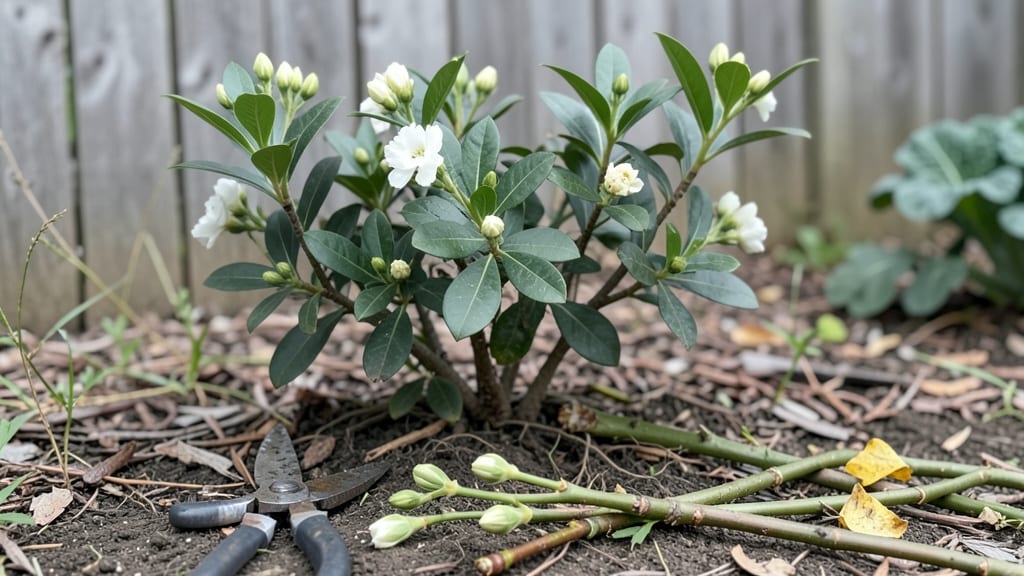
Pruning mock orange shrubs transforms them from scraggly bushes into fragrant, blooming powerhouses. 🌿 I’ve pruned these shrubs for years, and the difference between a well-maintained mock orange and one left to its own devices is night and day—more flowers, denser foliage, and a shape that actually fits your landscape.
The key is timing and technique, and I’ll show you exactly how to do it without sacrificing next year’s blooms.
Mock orange shrubs bloom on old wood, which means the flowers form on last year’s growth. That’s why you can’t just hack them back in early spring—you’ll cut off next year’s blooms before they even form.
Instead, prune right after they finish flowering, usually in late May or early June, when the blooms have faded but new growth hasn’t fully hardened off. You’ll need sharp pruners, gloves, and a clear day to see the branches—no guesswork allowed.
The goal is to open up the center of the shrub for airflow and sunlight while maintaining a natural, rounded shape. Cut back any dead, crossing, or weak branches first, then thin out about one-third of the oldest stems at the base to encourage new growth.
Every cut should be clean and just above a outward-facing bud—this ensures the shrub fills in beautifully and keeps blooming for years to come.
Here’s the secret most gardeners miss: mock orange shrubs respond best to light, regular pruning rather than one heavy session. A little attention in late spring and again in early fall keeps them compact, healthy, and bursting with those iconic, intoxicatingly fragrant blooms.
Ready to give your shrubs the care they deserve?
📚 In This Guide
- What you need
- Instructions
- Tips and common mistakes
- Wrapping up and next steps
What you need
- ● Bypass pruners – Sharp, clean bypass pruners (4–6-inch blades) for clean cuts on stems up to ½ inch thick. Must be sterilized with rubbing alcohol before and after use!
- ● Loppers – Bypass loppers (8–12-inch blades) for thicker branches (½–1½ inches). Look for ergonomic handles for comfort.
- ● Hand saw – A pruning saw with a curved blade for stubborn, woody stems (1½+ inches). Pruning saws with fine teeth work best.
- ● Gloves – Heavy-duty gardening gloves (nitrile-coated or leather) to protect against thorns and rough branches.
- ● Disinfectant – Rubbing alcohol (70%+) or household bleach (1 part bleach to 9 parts water) to sterilize tools between cuts.
- ● Rag or paper towels – For wiping down tools and cleaning sap off blades.
- ○ Marking twine or tape – Optional, for labeling branches if you’re doing structured pruning (e.g., shaping for hedges).
- ● Ladder or step stool – If your shrub is taller than 6 feet, use a stable, 3-sided ladder (never a step stool for high reaches!).
- ● Trash bags or bucket – For collecting pruned branches and debris.
- ● Know your shrub’s age – Young mock orange shrubs (minimal pruning; mature shrubs (3+ years) can handle heavier cuts.
- ● Check the season – Prune right after flowering (late spring/early summer) for best results, but light shaping can happen year-round.
- ● Weather window – Choose a dry, overcast day to avoid stressing the plant (wet conditions encourage disease).
Instructions for pruning mock orange shrubs
Here's how to shape your mock orange for vibrant blooms and healthy growth.
✂️ Step 1: Time Your Pruning for Best Results
Mock orange shrubs bloom on old wood, so prune immediately after flowering—usually in late spring or early summer. This timing ensures you don’t cut off next year’s blooms. I always wait until after the flowers fade but before new growth hardens off. If you prune too early, you risk removing flower buds; too late, and you encourage leggy, unbalanced growth.
For shaping cuts, use clean, sharp pruners to make precise cuts just above a leaf node or outward-facing bud. This encourages new growth in the right direction. Avoid heavy pruning in fall or winter, as mock orange needs its energy reserves for spring blooms.
✂️ Step 2: Remove Dead, Diseased, or Weak Branches
Start by inspecting the shrub for any dead, diseased, or crossing branches. Dead wood appears dry, brittle, and grayish-brown, while diseased branches may show dark spots, mold, or unusual growth patterns. Cut these out first—they sap energy from healthy growth. Use your pruners to make clean cuts at a 45-degree angle about ¼ inch above a healthy bud.
If branches are crossing or rubbing against each other, remove the weaker of the two. This prevents wounds and improves airflow, which reduces fungal diseases. I always step back after this step to visualize the shrub’s natural shape—this helps guide the next cuts.
✂️ Step 3: Shape the Shrub for Balance and Airflow
Mock orange shrubs respond well to light shaping. Focus on opening the center by thinning out dense growth—this improves airflow and sunlight penetration, which encourages more blooms. Aim to reduce the shrub’s height by no more than ⅓ at a time to avoid stress. For example, if your shrub is 6 feet tall, limit cuts to removing up to 2 feet of growth.
Use your pruners to trim back overlong branches to just above a bud that faces outward. This keeps the shrub’s natural shape while promoting bushier growth. Avoid cutting into old wood—mock orange blooms on last year’s growth, so preserve as much of it as possible.
✂️ Step 4: Clean Up and Maintain Year-Round
After pruning, rake up and dispose of all clippings to prevent disease from lingering in the garden. I like to sterilize my pruners with rubbing alcohol between cuts to avoid spreading pathogens. Water the shrub deeply after pruning to help it recover, especially if you’ve made significant cuts.
Throughout the year, keep an eye out for suckers or water sprouts—these are vigorous, upright shoots that grow from the base or along the trunk. Remove them promptly to maintain the shrub’s shape and energy focus on flowering. A little maintenance between pruning sessions keeps your mock orange looking its best.
Tips & tricks for pruning mock orange shrubs
Here's what I've learned after pruning mock orange shrubs for years—these tricks will help you avoid common mistakes and achieve that perfect, blooming shape.
Timing is Everything: The late spring or early summer window after flowering is non-negotiable for mock orange. I've seen gardeners miss this timing and end up with sparse blooms the next year. Look for fully faded flowers but still-green leaves—this is your perfect pruning cue. If you're unsure, snap a photo of your shrub when it's in full bloom, then wait until those flowers have completely dropped before cutting.
The 45-Degree Angle Secret: When making those clean cuts in Step 2, the 45-degree angle isn't just about aesthetics—it's about directing water away from the cut to prevent rot. I always visualize a small roof over the bud below. Also, that ¼-inch clearance above the bud is crucial: too close and you'll damage the bud; too far and you'll create a stub that won't heal properly. Practice on a few branches first if you're new to this angle.
Shape with Purpose: In Step 3, when you're opening up that center, think of your shrub like an umbrella. You want sunlight to reach all the way to the center branches, not just the outer ones. I like to imagine drawing an invisible cone shape—cut branches that grow inward toward this cone. This creates that lush, rounded silhouette that mock orange shrubs are famous for. Remember, we're only talking about reducing height by a third at most—this isn't about drastic transformations.
Year-Round Maintenance Hack: Don't let those suckers and water sprouts take over between pruning sessions. I keep a small pair of pruning shears in my gardening bag and remove these aggressive shoots whenever I'm out in the garden. It only takes a minute but prevents that unruly, overgrown look. Think of it as giving your mock orange a little haircut between the big pruning sessions—it really makes a difference in the long run.
Pro Tips for Pruning Mock Orange Shrubs
- Here's what I've learned after pruning mock orange shrubs for years—these tricks will help you avoid common mistakes and achieve that perfect, blooming shape.
- Timing is Everything: The late spring or early summer window after flowering is non-negotiable for mock orange.
- The 45-Degree Angle Secret: When making those clean cuts in Step 2, the 45-degree angle isn't just about aesthetics—it's about directing water away from the cut to prevent rot.
Frequently asked questions
When is the best time to prune mock orange shrubs?
The ideal time is late winter or early spring (before new growth starts) to shape the shrub and encourage blooms. You can also do light pruning right after flowering to maintain size, but avoid heavy cuts then—it may reduce next year’s blooms.
Can I prune mock orange shrubs in fall?
Light pruning in early fall is fine for cleanup, but avoid heavy cuts—new growth may not harden off before winter. Pruning too late in fall can stimulate tender shoots that won’t survive frost. Save major shaping for late winter!
How do I prune mock orange shrubs to encourage more flowers?
Focus on removing old wood (3–5 years old) to make room for younger, more productive growth. Cut back 1/3 of the oldest stems to the ground every few years. Also, prune just above a leaf bud (not a bare stem) to promote blooms.
What if I prune too much? Will my mock orange die?
Mock orange shrubs are tough, but over-pruning (cutting back more than 1/3 of the plant at once) can stress them. If you accidentally prune too hard, water deeply and avoid fertilizing until new growth appears. They’ll bounce back—just be patient!
Can I shape mock orange shrubs like topiaries?
Yes! Mock orange shrubs respond well to formal shaping (like hedges or topiaries) with regular trims. Use sharp, clean shears and prune gradually to avoid stress. For topiaries, prune new growth more often (every 4–6 weeks) to maintain the shape.
Wrapping up and next steps
Pruning your mock orange shrubs doesn’t have to be intimidating—with the right timing, tools, and techniques, you’ll unlock vibrant blooms year after year. Remember, light, strategic cuts in late winter or early spring (or post-bloom for summer varieties) keep your shrubs healthy and full.
Whether you’re shaping for aesthetics or encouraging new growth, confidence comes with practice!
Ready to transform your garden? Grab your pruners and start small—even a single shrub can make a difference. Happy pruning, and may your mock orange shrubs reward you with fragrant, show-stopping blooms! 🌸✂️