
Shrubs
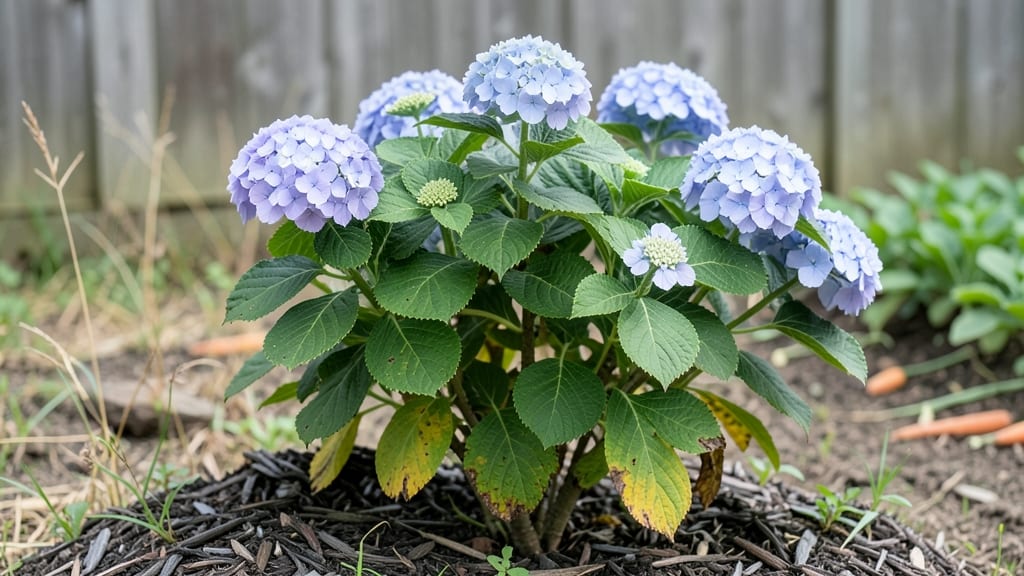
Summer flowering shrubs transform your garden from a quiet corner to a vibrant canvas—think butterfly bush spilling purple clouds, hydrangeas holding up blue-green bouquets, or abelia glowing like sunset gold. ✨ These plants aren’t just pretty; they’re the backbone of a garden that stays lively when tomatoes and zinnias fade.
I’ve designed entire borders around them, and the best part? They handle heat, drought, and even forgetful watering like champions.
The magic happens in how they layer color and texture. Pair a spirea’s feathery pink plumes with the deep burgundy of smoke bush, and suddenly you’ve got a summer-long show that changes with the light.
These shrubs also play well with others—plant them near perennials for continuous blooms, or tuck them behind roses to catch fallen petals. The key is mixing heights and bloom times so something’s always in season, even when your annuals take a break.
What you’ll end up with is a garden that feels alive year-round, not just in spring. Imagine strolling past potentilla’s cheerful yellow faces in July, then watching weigela’s trumpet blooms light up September.
They’re the plants that make neighbors stop and ask, “What’s that?”—and the answer is simple: smart, low-maintenance choices that do the work for you. Let’s bring that effortless beauty to your space.
Works for everything from small city yards to sprawling rural gardens—just adjust spacing and pairings. The best designs start with one standout shrub and build around it. Ready to see how these plants can work for you?
The Science Behind Summer Blooms
Summer flowering shrubs and bushes burst into vibrant life thanks to a perfect storm of biology, climate, and care. Understanding why they bloom when they do—often with such intensity—can help you nurture them for longer, bolder displays. Let’s break down the key factors that trigger their seasonal splendor.
Most summer-blooming shrubs are photoperiodic or thermoperiodic, meaning their flowering is tied to temperature shifts and daylight hours. Here’s how it works:
- Day Length (Photoperiodism): Many shrubs, like Hydrangeas and Crape Myrtles, rely on longer daylight hours (14+ hours in summer) to kickstart blooming. Their internal clocks detect increasing light exposure, signaling it’s time to produce flowers instead of leaves. Short-day plants (like some Azaleas) do the opposite—they bloom when days shorten, but most summer bloomers are long-day plants.
- Warmth Thresholds: Shrubs often need consistent warmth (60–85°F) to trigger bud formation. For example, Butterfly Bushes (Buddleia) may wait until soil and air temperatures stabilize in late spring/early summer before bursting into blooms. A sudden cold snap can delay or halt flowering entirely.
- Heat Stress: Too much heat (above 90°F) can actually inhibit flowering in some species, like Rhododendrons. Their buds may form but fail to open, or flowers can wilt quickly. Proper afternoon shade or deep watering can mitigate this.
Flowering isn’t just about the weather—it’s a hormonal cascade within the plant. Here’s how it unfolds:
- Gibberellins vs. Florigen: During early spring, gibberellins (growth hormones) promote leafy, vegetative growth. But as days lengthen, the plant switches gears: Florigen (a flowering hormone) travels from leaves to buds, converting them into flowers. Pruning too late in the season can disrupt this process, leading to fewer blooms the next year.
- Bud Formation Timing: Some shrubs, like Abelia, form flower buds the previous summer or fall—meaning their 2025 blooms might already be “planned” in 2024! Late-season pruning (after blooming) can remove next year’s buds.
- Stress-Induced Blooming: Mild stress—like root pruning or controlled drought—can trigger some shrubs (e.g., Spirea) to produce more flowers. However, severe stress (overwatering, nutrient deficiency) will backfire, leading to weak or no blooms.
Soil health directly impacts flowering. Shrubs need the right balance of nutrients to fuel blooms:
| Nutrient | Role in Flowering | Deficiency Signs |
|---|---|---|
| Phosphorus (P) | Critical for energy transfer and flower development. | Purple-tinged leaves, stunted growth, no blooms. |
| Potassium (K) | Helps regulate water and hormone balance; strong blooms need it. | Yellowing leaf edges, weak stems, small or sparse flowers. |
| Nitrogen (N) | Too much = leafy growth, few flowers; too little = weak overall health. | Pale green leaves (excess) or stunted growth (deficiency). |
| Micronutrients (Zinc, Magnesium) | Act as catalysts for enzymatic reactions in flower formation. | Yellowing between leaf veins (Magnesium), distorted new growth (Zinc). |
Pro Tip: 💡 Use a balanced, slow-release fertilizer (10-10-10 or 5-10-10) in early spring to avoid nitrogen overload. Organic options like bone meal (high in P) or greensand (K-rich) can also help.
Sometimes, blooming is a survival response to conditions—not just a seasonal norm. Watch for these triggers:
- Pruning Timing: Deadheading (removing spent blooms) encourages reblooming in Hydrangeas and Petunias, but pruning at the wrong time (e.g., cutting back Lilacs after June) removes next year’s buds.
- Transplant Shock: Recently planted shrubs may delay flowering for 1–2 years as they establish roots. Their energy goes to root growth, not blooms.
- Pests & Diseases: Aphids or powdery mildew can drain a plant’s energy, leaving it too weak to flower. Neem oil or horticultural soap can restore balance.
- Competition: Overcrowded shrubs (e.g., Weigela planted too close) fight for sunlight/nutrients, resulting in smaller, fewer blooms. Thin out nearby plants or prune for better airflow.
Revitalize Your Summer Bloomers
Bringing back the vibrancy of your summer flowering shrubs and bushes starts with understanding their needs—and addressing issues before they spiral. Whether your plants are struggling with pests, poor blooms, or environmental stress, these practical, step-by-step solutions will help you nurse them back to health.
Plus, we’ll share prevention tips to keep your garden thriving year-round.
Cause: Too many plants competing for sunlight, water, and nutrients.
Solution: 🍳 Prune Strategically
- Step 1: Identify the thinnest or weakest stems—these are often the culprits.
- Step 2: Use clean, sharp pruners (sterilized with rubbing alcohol) to trim back 1/3 of the plant’s foliage to improve airflow.
- Step 3: Remove dead or crossing branches first to reduce stress.
👨🍳 Thin Out the Crowd
- If shrubs are planted too closely, dig up and relocate the most aggressive growers to a sunnier spot.
- Pro Tip: 💡 Space new plantings 3–6 feet apart, depending on the mature size of the shrub.
🌡️ Prevention Tips
- Plan ahead! Research mature sizes before planting.
- Mulch properly (2–3 inches of organic mulch) to retain moisture and suppress weeds that compete for nutrients.
Cause: Aphids, spider mites, or scale insects sucking sap, leading to yellowing leaves and stunted blooms.
Solution: 🔪 Manual Removal (For Small Infestations)
- Blast pests off with a strong spray of water (early morning works best).
- Wipe leaves with a damp cloth or neem oil-soaked sponge for stubborn bugs.
⏰ Targeted Sprays (For Severe Cases)
- Insecticidal soap (mix 1 tbsp mild soap + 1 quart water) or neem oil spray (1 tsp oil + 1 quart water + drop of dish soap).
- Spray undersides of leaves where pests hide—repeat every 5–7 days until gone.
🎯 Prevention Tips
- Encourage natural predators like ladybugs and lacewings by planting companion flowers (e.g., marigolds, alyssum).
- Inspect new plants before bringing them home—quarantine for a week if needed.
Cause: Overwatering (root rot) or underwatering (wilting, brown edges).
Solution: 🌧️ Check Soil Moisture First
- Stick your finger 1–2 inches into the soil—if it’s dry, water deeply. If soggy, hold off until it drains.
💦 Adjust Your Watering Routine
- Deep water 1–2 times per week (early morning) rather than light daily sprinkles.
- Use a moisture meter or stick a screwdriver in—if it resists, you’re overwatering.
✨ Prevention Tips
- Improve drainage by amending soil with compost or perlite if your garden retains too much water.
- Group shrubs with similar needs to simplify care (e.g., drought-tolerant lavender with rosemary).
Cause: Poor flowering, sparse growth, or leggy stems from lack of nutrients or light.
Solution: 🍽️ Fertilize Right
- Spring feeding: Use a balanced, slow-release fertilizer (10-10-10) when new growth appears.
- Bloom boost: Switch to a phosphorus-rich fertilizer (5-10-10) in early summer to encourage flowers.
☀️ Optimize Light & Airflow
- Move shade-loving shrubs (e.g., hydrangeas) to partial shade if they’re struggling.
- Trim back nearby trees/shrubs blocking sunlight—aim for 6+ hours of sun for most flowering bushes.
🔥 Prune for Shape & Health
- Deadhead spent blooms regularly to redirect energy to new flowers.
- Shape in late winter/early spring (before new growth) to maintain an open, airy form.
Final Pro Tip: 🌡️ Monitor your shrubs weekly—catching issues early (yellowing leaves, chewed foliage) means less work and more blooms! With these fixes, your summer garden will be bursting with color in no time.
Frequently asked questions
Which summer flowering shrubs attract pollinators like butterflies and bees?
Butterfly bush (Buddleia) is the top choice, with its fragrant purple spikes that draw monarchs and hummingbirds. Weigela and abelia also host pollinators with their tubular blooms, while spirea’s feathery clusters provide nectar for bees. Plant these near your patio or vegetable garden for a buzzing, blooming border!
Can I grow these shrubs in containers or small spaces?
Dwarf hydrangeas and compact potentilla thrive in pots, while abelia and spirea adapt well to container life with proper drainage. Use 10–12 inch pots for small varieties and ensure they get 6+ hours of sunlight daily. Just remember to water consistently—containers dry out faster than garden beds!
How do I keep my flowering shrubs blooming all summer?
Deadhead spent blooms regularly to encourage reblooming, especially with hydrangeas and spirea. Feed them with a phosphorus-rich fertilizer (5-10-10) in early summer, and mulch to retain moisture. Avoid heavy pruning after mid-summer—many shrubs set next year’s buds during late summer/fall!
What’s the best way to pair these shrubs with perennials for continuous color?
Plant hydrangeas with black-eyed Susans (golden summer blooms) and Russian sage (purple spikes) for a blue-to-purple-to-gold progression. Abelia pairs beautifully with salvia (purple) and catmint (lavender), while butterfly bush complements coneflowers and bee balm. Layer heights—tall shrubs at the back, mid-height perennials in the middle!