
Pruning
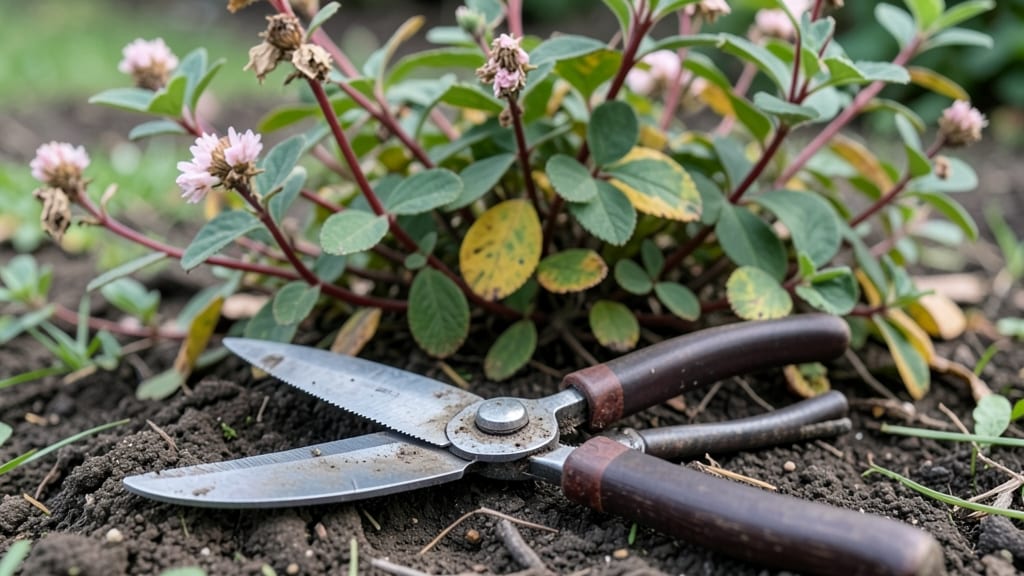
My first pair of pruning shears lasted three seasons before the blades dulled into uselessness—until I discovered how the right tool transforms shrubs into shockingly lush, year-round performers. 🌿 The difference between a clean cut and a jagged tear isn’t just aesthetics; it’s the secret to healthier plants that bounce back faster and grow fuller.
I’ve since tested shears from budget to pro-level, and the best ones cut through thick stems like butter while keeping your hands from cramping after an hour of work.
You don’t need to spend a fortune, but you do need sharp blades, comfortable grips, and a design that matches your shrub’s size—whether you’re trimming roses or shaping boxwood hedges.
The right shears also last longer if you clean and oil them after each use (I learned that the hard way when my favorite pair rusted after a rainy spring). For most gardeners, a mid-range pair with bypass blades handles 90% of shrub pruning without breaking the bank.
What proper pruning actually gives you is shrubs that look intentional, not hacked. You’ll see fewer dead branches, more vibrant blooms, and a shape that stays neat without constant maintenance. Even my black-thumb boxwoods now thrive because I cut at the right angle and time—no more leggy, sparse growth.
The key is knowing when to prune (most shrubs hate late-summer cuts) and how to hold the shears for the cleanest slice.
Works for everything from formal hedges to wild roses, and I’ll walk you through how to pick the right shears for your specific plants—plus the one mistake that ruins even the best tool. Let’s get those shrubs looking their best without the frustration.
📚 In This Guide
- What you need
- Instructions
- Tips and common mistakes
- Wrapping up and next steps
What you need
- ● Pruning shears: A high-quality, bypass-style pair (e.g., Felco F-2 or Corona SL) for clean cuts. Size: 7"–8" for most shrubs.
- ● Loppers: For thicker branches (½"–1.5" diameter). Quantity: 1 pair (e.g., Felco F-3).
- ● Hand pruners: For fine-tuning and small stems. Quantity: 1 pair (e.g., Corona LS).
- ● Gloves: Heavy-duty, cut-resistant gloves (e.g., Mechanix Wear) to protect hands from thorns.
- ● Disinfectant: 70% isopropyl alcohol or a 10% bleach solution (1 part bleach to 9 parts water) to sterilize tools between cuts.
- ● Sharpener: A file or sharpening stone to keep blades razor-sharp.
- ○ Pruning sealant: Optional, for sealing large cuts (e.g., Tanglefoot Tree Wound Pruning Sealer).
- ● Extension pole: For high-reaching shrubs (e.g., 3–6 ft telescoping pole with shears).
- ● Work bag: To carry tools and debris.
- ● Safety glasses: If working near dusty or thorny plants.
- ● Pruning saw: For branches too thick for loppers (e.g., 10" pruning saw).
- ● Notebook & pen: To track pruning notes (e.g., what you cut and why!).
Step-by-Step guide to pruning shrubs for optimal health
Here's how to use pruning shears like a pro for lush, vibrant shrubs that thrive all year.
✂️ Step 1: Choose the Right Time and Tools
Prune most shrubs in late winter or early spring before new growth begins. Evergreens and flowering shrubs have different timing—check your specific variety. Always use sharp, clean pruning shears (or loppers for thicker branches) to make clean cuts that heal faster. Dull blades tear bark, inviting disease.
I like to sanitize my shears with rubbing alcohol before and after each session. This prevents spreading bacteria between cuts. Store shears in a dry place to keep them sharp and rust-free.
✂️ Step 2: Remove Dead, Diseased, or Crossing Branches First
Start by cutting out any dead, diseased, or damaged wood—these are the easiest targets. Look for branches without leaves, brown or mushy stems, or those rubbing against others. Cut back to a healthy bud or branch collar (the swollen area where the branch meets the trunk). This ensures the plant can heal properly.
If you see mushroom-like growths at branch junctions, that’s a sign of fungal infection. Remove the entire infected branch and dispose of it in the trash (not your compost). Healthy shrubs have smooth bark and vibrant foliage.
✂️ Step 3: Shape the Shrub for Airflow and Light
Thin out the center of the shrub to improve air circulation and sunlight penetration. Aim to remove no more than 25% of the plant’s foliage in one season—over-pruning stresses shrubs. Cut branches back to just above an outward-facing bud so new growth will fill in nicely.
For a natural look, avoid shearing into a perfect box shape unless your shrub is a formal hedge. Most shrubs benefit from a rounded, layered shape that encourages dense growth at the base and open space at the top.
✂️ Step 4: Encourage New Growth with Strategic Cuts
To promote bushier growth, cut back last year’s growth by about one-third on healthy branches. This stimulates branching from lower buds. For flowering shrubs, prune right after they bloom (except spring bloomers like lilacs—prune them right after flowering stops).
Watch for water sprouts (tall, skinny shoots growing straight up). These steal energy from the rest of the plant. Snip them off at the base—they won’t grow back.
✂️ Step 5: Clean Up and Monitor for Recovery
After pruning, rake up and dispose of all debris—this prevents pests and diseases from lingering. Water the shrub deeply to help it recover. You’ll see new growth within 4-6 weeks if the cuts were made correctly.
If leaves yellow or drop after pruning, it’s usually just the plant adjusting. But if you see blackened edges or wilting, you may have cut too aggressively. Next time, go lighter on the shears!
Tips & tricks for perfect pruning with shears
Mastering the art of pruning transforms your shrubs from ordinary to extraordinary—here's how to elevate your technique.
Precision Cutting: Always make cuts at a 45-degree angle, just above an outward-facing bud, to encourage healthy growth. I learned this the hard way after seeing new growth sprout inward—now my shrubs have that perfect rounded shape! When cutting, position the bud facing the direction you want the branch to grow.
Tool Maintenance: Your pruning shears are only as good as their sharpness. Test them by cutting a piece of paper—if it tears instead of cleanly slicing, it's time to sharpen. I keep a small file and oil in my gardening toolkit to maintain my shears between uses. Clean blades prevent disease transmission between cuts, which is especially important when dealing with infected branches.
Seasonal Timing: The late winter to early spring timing in Step 1 is perfect for most shrubs because it allows them to recover before summer heat. For spring-blooming varieties like lilacs, wait until right after they finish flowering—this ensures you don't cut off next year's blossoms. I mark my calendar with these seasonal reminders to avoid common pruning mistakes.
Visual Cues: When shaping your shrub in Step 3, imagine looking at it from all sides before making cuts. The goal is to create an open center that allows sunlight to reach all parts of the plant. Think of it like giving your shrub a natural haircut—you want layers, not a flat top. This approach prevents that "boxy" look that many shrubs develop when over-pruned.
Pro Tips for Pruning Shears For Shrubs
- Mastering the art of pruning transforms your shrubs from ordinary to extraordinary—here's how to elevate your technique.
- Precision Cutting: Always make cuts at a 45-degree angle, just above an outward-facing bud, to encourage healthy growth.
- Tool Maintenance: Your pruning shears are only as good as their sharpness.
Frequently asked questions
Got questions about choosing, using, or maintaining pruning shears for shrubs? You’re not alone! Here are answers to the most common queries to help you prune like a pro.
What’s the best type of pruning shears for shrubs?
For shrubs, bypass pruners are ideal—they deliver clean cuts without crushing stems, perfect for delicate branches. If you’re tackling thicker branches, opt for anvil pruners (though they can damage softer wood). For heavy-duty jobs, loppers or pruning saws are great additions.
When is the best time to prune shrubs with shears?
Timing depends on your shrub type! Dormant pruning (late winter/early spring) is best for most shrubs, like boxwoods or lilacs. Flowering shrubs (e.g., hydrangeas) should be pruned right after blooming. Avoid pruning in late summer—it can stunt new growth. Always check your specific shrub’s needs!
How do I keep my pruning shears sharp and rust-free?
After each use, wipe them clean with a damp cloth to remove sap, then apply a light oil (like mineral oil) to prevent rust. Sharpen blades 2-3 times per season with a pruner sharpening tool or take them to a hardware store for professional honing. Store them in a dry place when not in use.
Can I use regular scissors or hedge trimmers instead of pruning shears?
Not ideal! Scissors lack the leverage for thicker branches, while hedge trimmers can tear stems and create jagged cuts. Pruning shears are designed for precision and control, reducing stress on the plant. For small shrubs, bypass shears are your best bet—save trimmers for larger, uniform hedges.
My pruning shears keep jamming—what should I do?
Jamming usually means sap buildup or dull blades. First, clean the blades thoroughly with rubbing alcohol to dissolve sap. If that doesn’t work, check for debris in the pivot point and lubricate with oil. If the issue persists, the shears may need professional sharpening or adjustment—don’t force them, as it can damage the tool.
Wrapping up and next steps
Choosing the right pruning shears for shrubs is your first step toward achieving lush, vibrant growth year-round! 🌿 Whether you opt for bypass shears for delicate cuts or anvil shears for thicker branches, precision and care make all the difference.
With the right tools and techniques, you’ll transform your shrubs into thriving, well-shaped plants that bring beauty to your garden.
Now that you’re equipped with the knowledge, grab your shears and get pruning! Start with one shrub at a time, and soon, your garden will thank you with healthier, more vibrant foliage. Happy trimming! ✂️🌸