
Pruning
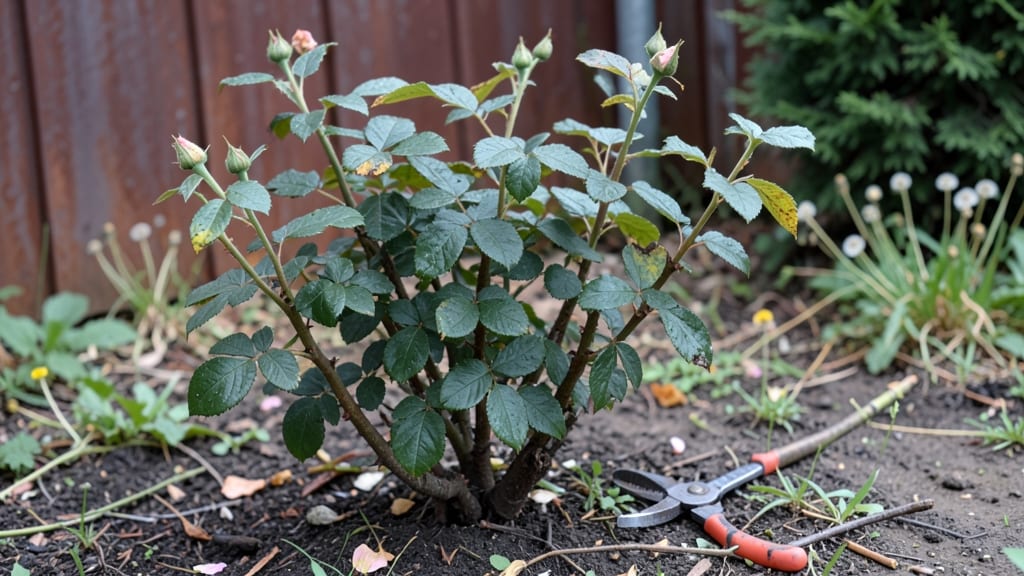
Pruning shrub rose bushes transforms them from scraggly messes into vibrant, productive powerhouses—if you do it right. 🌿 I’ve turned my once-neglected bushes into the showstopper of my yard by mastering the right cuts, timing, and tools.
The difference between a bush that blooms all season and one that barely puts out a few flowers comes down to precision, not brute force.
You’ll need just three essential tools: sharp bypass pruners for clean cuts, loppers for thicker stems, and a disinfectant spray to prevent disease spread between cuts. Timing matters too—prune in late winter or early spring while the plant is still dormant, then do a light cleanup after blooms fade.
This two-step approach keeps your shrub roses blooming continuously from spring to fall.
The payoff is immediate: better airflow means fewer fungal diseases, stronger stems support more blooms, and the plant’s energy goes where you want—into bold, healthy flowers instead of leggy growth.
After my first proper pruning session, my bushes produced twice as many blooms the following season, and the flowers lasted longer too.
Works for all shrub rose varieties, from Knock Out roses to David Austin hybrids. The key is patience—don’t rush the cuts, and always prune back to an outward-facing bud. Here’s how to get it right the first time.
📚 In This Guide
- What you need
- Instructions
- Tips and common mistakes
- Wrapping up and next steps
What you need
- ● Bypass pruners (sharp, clean, and disinfected—look for 5-inch blades for thicker stems).
- ● Loppers (for branches ½ to 1.5 inches thick—choose bypass-style for precision cuts).
- ● Pruning saw (if dealing with thick, woody stems over 1.5 inches—opt for a curved blade for ease).
- ● Garden gloves (nitrile-coated for grip and protection against thorns—size medium to large).
- ● Disinfectant (70% isopropyl alcohol or a 10% bleach solution to sterilize tools between cuts).
- ● Rubbing alcohol wipes (for quick tool sterilization in the field).
- ● Twine or zip ties (to secure large branches post-pruning).
- ● Garden twine or tape (for labeling pruned sections if training new growth).
- ● Compost bin or bag (for collecting pruned debris—avoid leaving it near the bush to prevent disease).
- ○ Safety glasses (optional but highly recommended if dealing with heavy branches).
- ● A clear, dry day (avoid pruning when the bush is wet—this spreads disease!).
- ● Sharp tools (dull blades crush stems, inviting infections—sharpen before you start).
- ● Weather check (prune 2–3 weeks before the first hard frost in your zone if winter-pruning).
- ● Safety first! Wear long sleeves/pants and closed-toe shoes to avoid thorn pricks.
Step-by-step instructions for pruning shrub rose bushes
Here's the method I use to keep my shrub roses blooming abundantly year after year.
✂️ Step 1: Time Your Pruning for Optimal Growth
Prune your shrub roses in early spring, just as new growth begins—you'll notice fresh buds swelling along the stems. This timing ensures you cut back before the plant puts energy into flowering. Avoid pruning in fall or winter, as dormant buds won't have time to develop properly for spring blooms.
If your roses bloom sporadically throughout the year, give them a light trim after each major flush of flowers to encourage more growth. Just remove spent blooms and any crossing branches—this keeps air circulating and prevents disease.
✂️ Step 2: Gather Your Tools and Sanitize
Use sharp, clean pruning shears—dull blades tear stems and invite infection. Wipe the blades with rubbing alcohol before and after pruning to prevent spreading disease between cuts. I also keep a small bucket of soapy water nearby to dip tools between cuts on heavily diseased plants.
Wear gloves to protect your hands from thorns and any potential sap irritation. A small pair of pruning shears works for most jobs, but for thicker stems, grab your loppers—they give you the leverage to make clean cuts without straining.
✂️ Step 3: Remove Dead, Diseased, or Weak Wood
Start by scanning the bush for dead wood—it's brown, brittle, and won't bend. Cut these stems all the way back to the base. Next, look for diseased branches (black spots, oozing sap, or unusual discoloration). Remove these immediately and dispose of them in the trash, not your compost.
Thin out weak or crossing branches—these compete for energy and can create shaded areas where moisture lingers, inviting fungal issues. Aim to leave 3-5 strong, outward-facing canes per plant. This open structure lets sunlight and air reach the center, promoting healthier blooms.
✂️ Step 4: Shape the Bush for Airflow and Light
Step back and visualize the bush's natural shape. Shrub roses thrive with an open, vase-like form—this prevents crowding and encourages airflow. Cut back any branches growing inward or rubbing against others. Make your cuts just above an outward-facing bud or leaf node.
For height control, trim the tallest stems back by one-third to encourage bushier growth. Avoid cutting into old wood (gray or woody stems)—this won't produce new blooms. Focus on green or reddish-brown canes, which are still active and will respond well to pruning.
⏰ Step 5: Clean Up and Monitor for Recovery
After pruning, rake up all clippings and dispose of them in the trash—never leave them on the ground, as they can harbor pests and diseases. Water the base of the plant deeply to help it recover from the shock of pruning. You'll see new growth within 2-3 weeks if conditions are right.
Watch for new shoots emerging from the base or along the remaining canes. These indicate the plant is healing well. If you notice yellowing leaves or wilting, it might be stressed—give it a little extra water and shade for a few days until it stabilizes.
Tips & tricks for perfect pruning of shrub rose bushes
Here's what I've learned after years of trial and error to keep your shrub roses thriving and blooming beautifully.
Timing is Everything: Early spring is the absolute best time to prune, but if you miss it, don't panic. You can still get great results by pruning just after a major bloom cycle. The key is to prune when you see fresh buds starting to swell—this tells you the plant is ready to put energy into new growth rather than just maintaining what's there. If you prune too early, you might remove buds that haven't opened yet.
Tool Sanitation Can't Be Overstated: I can't emphasize enough how important it is to sanitize your tools between each cut, especially on diseased plants. That little bucket of soapy water I keep nearby has saved my roses from multiple fungal infections. For heavily diseased bushes, I even go so far as to disinfect my tools with rubbing alcohol before moving to a healthy plant. This simple step prevents cross-contamination that can spread throughout your garden.
Shape Matters More Than You Think: When shaping your bush in Step 4, think about creating a natural vase shape. This isn't just about looks—it's about airflow and light penetration. I like to visualize an open center where sunlight can reach all the way to the ground. This prevents moisture buildup in the center that leads to fungal diseases. Remember, you're not just pruning for beauty; you're creating an environment where your roses can thrive.
Post-Pruning Care Makes All the Difference: The 2-3 weeks after pruning are critical for your roses' recovery. I've learned that deep watering right after pruning helps the plant bounce back faster. During this time, watch for new shoots emerging from the base—these are your plant's way of telling you it's healing well. If you see yellowing leaves, it's often a sign of stress, so give it some extra care until it stabilizes.
Pro Tips for Pruning Shrub Rose Bushes
- Here's what I've learned after years of trial and error to keep your shrub roses thriving and blooming beautifully.
- Timing is Everything: Early spring is the absolute best time to prune, but if you miss it, don't panic.
- Tool Sanitation Can't Be Overstated: I can't emphasize enough how important it is to sanitize your tools between each cut, especially on diseased plants.
Frequently asked questions
Got questions about pruning shrub roses?
You’re not alone! Here are answers to the most common concerns—from timing to troubleshooting—to keep your bushes thriving and blooming beautifully.
When is the best time to prune shrub roses?
Prune twice a year for optimal results: late winter/early spring (just before new growth starts) and right after the first flush of blooms (summer). Avoid pruning in fall—it can stimulate tender new growth that won’t survive winter.
How do I know if I’m cutting too much off?
Shrub roses are forgiving, but aim to remove no more than 1/3 of the plant per pruning session. Look for dead, crossing, or weak canes—these are your top priorities. If you’re unsure, snap a photo and compare it to healthy canes before cutting!
Can I prune shrub roses in cold weather?
Prune only when temperatures are above freezing (40°F/4°C or warmer). Cold weather stresses the plant, and wet conditions can spread disease. If you must prune in winter, do it on a dry, sunny day to minimize risk.
What if my shrub roses don’t bloom after pruning?
No blooms? Check these fixes:
- Lack of sunlight: Shrub roses need 6+ hours of sun daily.
- Over-pruning: Revert to removing only dead/crossing canes next time.
- Poor soil: Test for nutrients—roses thrive in well-draining, slightly acidic soil (pH 6.0–6.5).
- Fertilizer timing: Apply a balanced rose fertilizer (like 10-10-10) after pruning in spring.
Is there an easier alternative to traditional pruning?
Yes! Try the “Cage Pruning” method for shrub roses:
- Leave the bush untouched for 1–2 years.
- Install a metal rose cage around it to contain growth.
- Prune only dead wood or thorns inside the cage annually.
Wrapping up and next steps
Pruning your shrub rose bushes doesn’t have to be intimidating—it’s all about timing, technique, and a little patience! 🌹 With the right cuts, you’ll encourage lush blooms and healthier growth year after year.
Whether you’re a seasoned gardener or just starting, every snip brings you closer to that stunning, vibrant garden you dream of.
Ready to take the next step? Grab your pruners, mark your calendar for seasonal checks, and watch your roses thrive! For extra inspiration, explore our pruning timeline guide or join a local gardening group—you’ve got this!