
Pruning
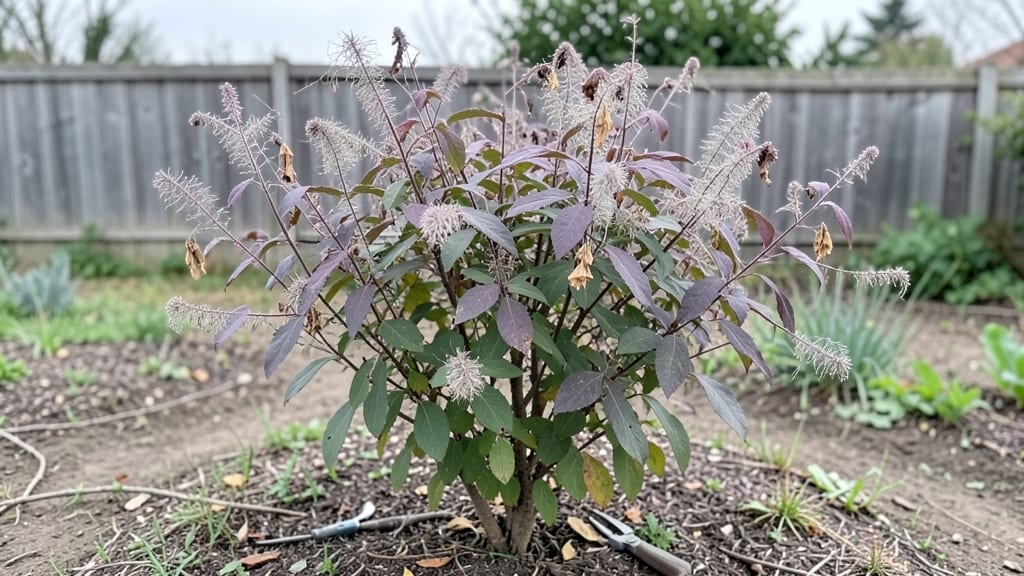
Pruning smoke bush shrubs transforms their wild, airy growth into dense, showstopping foliage that lasts all year. ✨ I’ve watched these shrubs go from scraggly to lush by following just a few key cuts—no guesswork, no over-trimming. The secret? Timing it right and knowing exactly where to snip.
You’ll need sharp pruners, gloves, and a clear morning to work—smoke bushes reward precision over brute force. Early spring is ideal, but late winter works too, as long as you avoid pruning when new growth is tender.
Most people overdo it, but smoke bushes bounce back surprisingly well with the right approach.
By late summer, you’ll see fuller branches with those signature smoky purple plumes standing out against deep green leaves. The shrub stays compact, blooms more prolifically, and resists disease better.
It’s the kind of transformation that makes neighbors ask, “How’d you do that?”—and the answer is simple cuts at the right time.
Works for both small patio plants and large landscape specimens, and the techniques apply to all Cotinus varieties. Let’s get those branches looking intentional—no more hiding behind other shrubs!
📚 In This Guide
- What you need
- Instructions
- Tips and common mistakes
- Wrapping up and next steps
What you need
- ● Pruning shears – Bypass-style (for clean cuts on smaller branches, 6–8 inches long).
- ● Loppers – Bypass or anvil type (for thicker branches, 12–18 inches long).
- ● Pruning saw – Curved or straight blade (for branches thicker than 1 inch).
- ● Gloves – Heavy-duty, cut-resistant (to protect hands from thorns and sharp edges).
- ● Safety glasses – Impact-resistant (to shield eyes from debris).
- ● Ladder or step stool – Sturdy and tall enough (for reaching higher branches safely).
- ● Disinfectant – Rubbing alcohol (70%+) (to clean tools between cuts and prevent disease spread).
- ● Hose or bucket of water – For rinsing off tools and cleaning up sap.
- ○ Pruning sealant – Optional for larger cuts (to prevent disease entry).
- ● Garden twine or zip ties – For temporarily securing branches if needed.
- ● Work gloves with grip – For extra comfort during longer sessions.
Instructions for pruning smoke bush shrubs
Here’s how to transform your smoke bush into a lush, year-round focal point with precise cuts and seasonal timing.
✂️ Step 1: Time Your First Pruning for Early Spring
Prune your smoke bush (Cotinus) in early spring, just as new growth begins but before buds swell. This timing ensures you remove winter-damaged branches while encouraging fresh, vibrant foliage. Avoid pruning in fall—it leaves tender new growth vulnerable to cold snaps.
Start by removing dead, diseased, or crossing branches at the base with clean, sharp pruners. Cut at a 45-degree angle just outside the branch collar (the swollen area where the branch meets the trunk). This prevents water from pooling and rotting the wound.
🌿 Step 2: Thin Out for Better Airflow and Light
Smoke bushes thrive when they receive circulation and sunlight throughout their structure. Step back and identify branches that are too dense or growing inward. Remove one-third of the oldest stems at ground level to rejuvenate the shrub and promote new growth from the base.
Focus on selective thinning—never remove more than 25% of the plant’s foliage in a single session. You’ll see healthier, brighter foliage within weeks as light reaches the center. If your smoke bush has long, leggy branches, cut them back by half their length to encourage bushier growth.
⏰ Step 3: Light Summer Maintenance for Shape and Density
After the initial spring pruning, perform a light shaping trim in midsummer (around July) to maintain form. Use hand pruners to trim back any overgrown or misplaced branches by one-third of their length. This keeps the shrub compact and prevents it from becoming too woody.
Watch for new growth at the tips—this is your cue to stop pruning. Avoid heavy cuts in summer, as it can stimulate tender growth that may not harden off before winter. Instead, focus on removing only the tips of branches that spoil the shape.
✂️ Step 4: Final Fall Cleanup for Winter Readiness
In late fall, after the first hard frost, do a final cleanup to remove any dead or diseased branches that may have appeared over the season. This prevents pests and diseases from overwintering in the shrub. Cut back any weak or spindly growth to a strong lateral branch or bud.
Leave the skeleton structure intact—smoke bushes develop their signature smoky plumes on new growth, so avoid heavy pruning. A light trim now ensures a stronger, more resilient plant come spring. Mulch around the base with 2-3 inches of organic mulch to protect roots from freezing temperatures.
☀️ Step 5: Year-Round Monitoring for Optimal Health
Check your smoke bush monthly for signs of stress, such as yellowing leaves, wilting, or pest damage. Prune out affected areas immediately to prevent spread. If you notice new shoots growing from the base, let them grow—these are often the most vigorous and will fill in any gaps.
Adjust your pruning approach based on the shrub’s response. If it’s too woody, increase thinning in spring. If it’s too leggy, shorten branches more aggressively in summer. With consistent care, your smoke bush will develop dense, year-round foliage and those coveted smoky plumes that make it a standout in any landscape.
Tips & tricks for perfect smoke bush pruning
Transforming your smoke bush into a thriving, dense shrub takes more than just cutting branches—it’s about understanding the plant’s growth patterns and timing. Here’s what I’ve learned after years of shaping these stunning plants.
The Early Spring Timing Secret: In Step 1, when you’re pruning in early spring, don’t rush—wait until you see those first tender green shoots emerging. This is your cue that winter’s damage is done and new growth is ready to take over. I’ve made the mistake of pruning too early, only to find myself cutting back healthy new growth later. The key is that 45-degree angle cut—it’s not just about aesthetics, it’s about directing water away from the wound and preventing rot. Use a sharp pruner and make clean cuts just outside the branch collar.
Thinning Technique for Maximum Impact: During Step 2’s selective thinning, focus on creating an open center rather than just reducing bulk. Remove those oldest stems at ground level—they’re often the least productive and take up valuable energy. I’ve found that removing one-third of the oldest stems in early spring gives the most dramatic improvement in foliage density. For leggy branches, cutting them back by half isn’t just about length—it’s about encouraging multiple new shoots to grow from the cut point, creating fuller growth.
Summer Maintenance Precision: That midsummer shaping in Step 3 is where many people go wrong. The goal isn’t to dramatically reshape but to maintain form with light trims. Watch for those new growth tips—they’re your natural stopping point. I’ve seen too many smoke bushes become over-pruned in summer, leading to weak growth that struggles to harden off before winter. Remember, you’re not trying to create a hedge; you’re sculpting a natural, vibrant plant that will reward you with those signature smoky plumes.
Fall Cleanup Strategy: The late fall cleanup in Step 4 is often overlooked, but it’s crucial for winter resilience. When you’re removing those weak branches, look for any signs of disease or pest damage—this is your last chance to prevent problems from overwintering. The 2-3 inches of organic mulch isn’t just decorative; it’s insulation for your plant’s roots, protecting them from temperature fluctuations that can stress the plant. I’ve seen smoke bushes that survived harsh winters precisely because of this simple fall preparation.
Pro Tips for Pruning Smoke Bush Shrub
- Transforming your smoke bush into a thriving, dense shrub takes more than just cutting branches—it’s about understanding the plant’s growth patterns and timing.
- The Early Spring Timing Secret: In Step 1, when you’re pruning in early spring, don’t rush—wait until you see those first tender green shoots emerging.
- Thinning Technique for Maximum Impact: During Step 2’s selective thinning, focus on creating an open center rather than just reducing bulk.
Frequently asked questions
Got questions about pruning your smoke bush shrubs?
Here are some of the most common ones—plus expert answers to keep your shrubs thriving!
When is the best time to prune smoke bush shrubs?
The ideal time to prune smoke bush shrubs is late winter or early spring (just before new growth begins). You can also do light shaping in summer after flowering, but avoid heavy pruning then. Never prune in fall—it can stimulate tender new growth that won’t survive winter.
How much can I trim back a smoke bush without harming it?
Smoke bushes are highly resilient! You can safely remove up to ⅓ of the plant’s total growth in one season. For older shrubs, you can even rejuvenate them by cutting back ⅔ of the oldest stems to the ground—just do this gradually over 2–3 years to avoid stress.
Why does my smoke bush look leggy after pruning?
Leggy growth happens when you over-prune in summer or cut too close to the ground. To fix it, prune in late winter instead, and always leave 2–3 healthy buds on each stem. If it’s already leggy, fertilize lightly in spring and give it time—new growth will fill in!
Can I prune a smoke bush in hot or cold weather?
Avoid pruning during extreme heat or cold (below 40°F or above 90°F). Early spring (before buds swell) or late summer (after flowering) are the safest times. If you must prune in heat, do it early in the morning to reduce stress on the plant.
What’s a good alternative if I don’t want to prune my smoke bush?
If pruning feels overwhelming, try selective thinning—just remove dead, diseased, or crossing branches to improve airflow. For a low-maintenance look, let it grow naturally and shape it lightly once a year. Smoke bushes are forgiving, so even minimal effort keeps them stunning!
Wrapping up and next steps
Pruning your smoke bush shrub is the secret to keeping it lush, healthy, and full of that signature smoky charm year-round!
By following seasonal trimming techniques—like light shaping in early spring and rejuvenating cuts in late winter—you’ll encourage dense foliage and vibrant blooms. 🌿 Remember, consistency is key, and a little effort now saves big headaches (and unsightly overgrowth) later.
Ready to transform your landscape? Grab your pruners, review your notes, and get out there—your smoke bush will thank you with stunning results! For extra confidence, watch a quick pruning demo or join a local gardening group to swap tips with fellow green thumbs. Happy trimming! ✂️