
Succulent
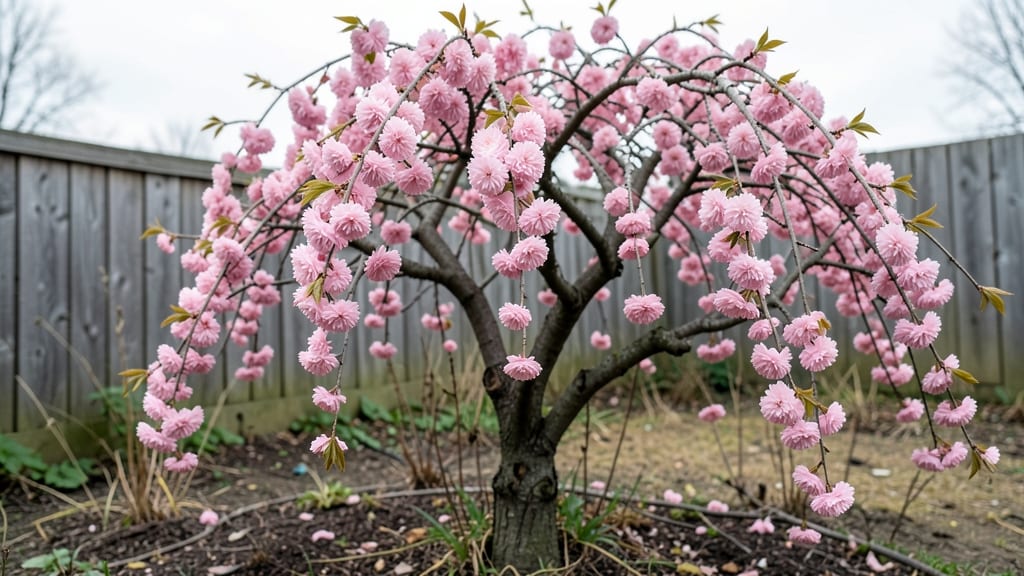
The Prunus Pink Cascade turns any garden into a dreamy springtime scene with its delicate pink blossoms that spill like waterfalls over walls and trellises.
I planted mine against a brick wall last spring, and now it’s the star of my backyard—every neighbor stops to admire it when the flowers burst open in April.
The secret to those show-stopping cascades isn’t just luck; it’s about sunlight, soil, and a little strategic pruning to keep the branches flexible and full.
This tree thrives in full sun to partial shade, with at least 6 hours of sunlight daily for the best blooms, but it’s forgiving enough to handle a little afternoon shade in hot climates.
The soil should drain well—think loamy, slightly acidic mix—and you’ll want to mulch around the base to keep roots cool. Watering is simple: deep soaks once a week in dry spells, but never soggy soil. Overwatering is the fastest way to kill those dreamy pink blooms.
Pruning is where the magic happens. Cut back any dead or crossing branches in late winter, and shape the tree to encourage that waterfall effect by thinning out dense areas. The blooms appear on last year’s growth, so avoid heavy pruning after flowering.
With the right care, you’ll get three weeks of nonstop pink every spring, plus dark green foliage that stays lush all summer—no dead branches or sparse growth here.
Watch for scale insects and powdery mildew, which can dull the foliage or stunt blooms, but a soapy water spray or fungicide keeps them in check. In fall, a light cleanup of fallen leaves prevents pests from overwintering.
This tree isn’t just pretty; it’s a low-maintenance powerhouse that pays you back in beauty year after year. Ready to grow one that steals the show?
📚 In This Guide
- What you need
- Instructions
- Tips and common mistakes
- Wrapping up and next steps
What you need
- ● Prunus Pink Cascade Plant: 1 healthy, well-rooted cutting or young plant (ensure it’s labeled or sourced from a reputable nursery).
- ● Well-Draining Potting Mix: 3–5 gallons (for containers) or garden soil amended with 50% perlite or coarse sand (to prevent root rot).
- ● Container or Planting Area: For Containers: A 10–15 gallon pot with drainage holes (fabric or terracotta works best).
- ● For Garden Beds: A sunny, sheltered spot with loose, well-draining soil (avoid heavy clay!).
- ○ Slow-Release Fertilizer: 1–2 tbsp of balanced 10-10-10 or succulent-specific fertilizer (optional but recommended for first planting).
- ● Watering Can or Hose with Gentle Nozzle: For hydration without over-saturating roots.
- ● Gloves: A pair to protect your hands from thorns (this beauty has tiny but sharp ones!).
- ● Trowel or Spade: For digging holes or transplanting.
- ○ Mulch (Optional but Helpful): 1–2 inches of gravel or pebbles around the base to retain moisture and deter weeds.
- ● Support Structure (For Containers): Trellis, Wire Cage, or Macramé Hanger: To encourage cascading growth (especially for hanging pots!).
- ○ Stakes (Optional): 1–2 bamboo or metal stakes for upright support if needed.
- ● Pruning Shears: For trimming leggy stems or shaping (sterilize with rubbing alcohol first!).
- ● Sunlight Access: A spot with full sun (6+ hours/day) or bright indirect light (avoid harsh afternoon sun in hot climates).
- ● Patience & Love: 💖 This plant thrives with gentle care—no rushing!
Instructions for planting and caring for Prunus Pink Cascade
This stunning ornamental tree thrives with the right approach—here’s how to plant and maintain it for vibrant, cascading blooms.
Choose the Right Planting Location
Prunus Pink Cascade loves full sun to partial shade, so select a spot with at least 6 hours of sunlight daily. A location with afternoon shade in hot climates prevents leaf scorch. The tree’s cascading branches grow best when planted near a wall, fence, or patio where they can drape elegantly. Avoid low-lying areas where cold air settles—this tree is hardy in zones 5-8, but frost pockets can damage tender new growth.
Test the soil drainage by digging a hole and filling it with water. If it drains within 2 hours, the site is ideal. Poor drainage leads to root rot, which can kill the tree within months. If your soil is heavy clay, amend it with 3 inches of compost mixed into the top 12 inches of soil before planting.
Prepare the Planting Hole and Plant
Dig a hole twice as wide as the root ball but only as deep—planting too deep suffocates roots and stunts growth. Loosen the roots gently if they’re circling the root ball, but avoid excessive handling. Place the tree in the hole so the top of the root ball sits 1 inch above ground level—this prevents water from pooling around the stem.
Backfill with the native soil, tamping lightly every 3 inches to remove air pockets. Water deeply to settle the soil around the roots. Mulch with 2-3 inches of organic mulch (like shredded bark) over the root zone, keeping it 6 inches away from the trunk to prevent rot. This mulch layer retains moisture and regulates soil temperature.
Water and Fertilize for Establishment
Water the tree deeply once a week for the first month, ensuring the soil is moist 12 inches down. After that, water every 10-14 days unless rainfall provides 1 inch of moisture. Overwatering is a common mistake—yellowing leaves often signal soggy roots. Let the top 2 inches of soil dry out between waterings to encourage deep root growth.
Apply a balanced, slow-release fertilizer (10-10-10) in early spring before new growth begins. Follow the package rate for a 6-foot tree. Avoid high-nitrogen fertilizers—they promote leafy growth at the expense of flowers. Prune any dead or crossing branches immediately after planting to improve airflow and shape.
Prune and Maintain for Year-Round Beauty
Prune in late winter or early spring before buds swell, removing one-third of the oldest wood to encourage new growth and flowering. Thin out crowded branches to improve light penetration and reduce disease risk. The tree’s natural weeping habit means branches will cascade beautifully, but avoid heavy pruning in summer—new growth won’t harden off before fall.
Monitor for pests like aphids or scale, which can weaken the tree. Spray with neem oil if you spot sticky residue (honeydew) on leaves. In fall, apply a 2-inch layer of mulch to insulate roots from freezing temperatures. Prunus Pink Cascade is low-maintenance once established, but these steps keep it thriving for decades.
Tips & tricks for perfect Prunus Pink Cascade planting
A few key strategies will help you avoid common mistakes and ensure your Prunus Pink Cascade thrives for years to come.
Location is Everything: When selecting your planting spot, pay special attention to the 6 hours of sunlight requirement. I always test multiple locations throughout the day to find the perfect balance—morning sun with afternoon shade works best in hot climates. The cascading branches will grow most dramatically when planted near vertical surfaces like walls or fences, where they can drape elegantly without competing with other plants.
Drainage Test: The 2-hour drainage test is critical—don't skip it! I've seen too many beautiful trees ruined by root rot from poor drainage. If your soil doesn't drain properly, the 3 inches of compost amendment makes all the difference. Mix it thoroughly into the top 12 inches of soil before planting to create an ideal root environment right from the start.
Planting Depth Matters: Positioning the root ball with just 1 inch above ground level might seem counterintuitive, but this simple adjustment prevents water from pooling around the stem. I've learned this the hard way after seeing several trees develop stem rot from being planted too deeply. The same principle applies when backfilling—tamping every 3 inches removes air pockets that could suffocate developing roots.
Watering Wisdom: During that first crucial month, aim for deep watering that reaches 12 inches down. I use a long screwdriver to check moisture levels—if it comes out dry, water again. The key is letting the top 2 inches dry out between waterings, which encourages roots to grow deeper rather than staying shallow. This practice pays off when your tree becomes established and more drought-tolerant.
Pro Tips for Prunus Pink Cascade
- A few key strategies will help you avoid common mistakes and ensure your Prunus Pink Cascade thrives for years to come.
- Location is Everything: When selecting your planting spot, pay special attention to the 6 hours of sunlight requirement.
- Drainage Test: The 2-hour drainage test is critical—don't skip it!
Frequently asked questions
Got questions about growing and caring for Prunus Pink Cascade? You’re not alone!
Here are some of the most common inquiries—plus expert answers to keep your cascading beauty thriving year-round.
How fast does Prunus Pink Cascade grow, and how big will it get?
The Prunus Pink Cascade grows at a moderate pace, typically adding 12–18 inches per year under ideal conditions. Mature plants reach 6–10 feet tall with a sprawling, weeping habit (up to 10 feet wide). Prune in late winter to control size and encourage denser blooms. Pro tip: Plant in full sun for faster growth and more vibrant pink flowers!
Is Prunus Pink Cascade cold-hardy? What zones does it tolerate?
This stunning shrub is highly cold-resistant, thriving in USDA Zones 5–8. It handles down to -20°F (-29°C) with ease! In colder zones, mulch the base in winter to protect roots. Warning: Young plants may need winter wraps in Zone 5 during harsh winters.
When is the best time to plant or transplant Prunus Pink Cascade?
Plant in early spring or fall (4–6 weeks before frost) for the best root establishment. Avoid transplanting during peak heat or winter, as stress can stunt growth. Pro tip: Amend soil with compost and water deeply after planting to reduce shock.
What pests or diseases should I watch for, and how do I treat them?
Common issues include:
- Aphids (sap-sucking insects) – Spray with neem oil or introduce ladybugs.
- Powdery mildew (white fungus) – Improve airflow and apply fungicide.
- Canker disease (bacterial) – Prune infected branches 1 inch below the lesion and sterilize tools.
Prevent problems with regular pruning and avoiding overhead watering.
Can I grow Prunus Pink Cascade in a container? What’s the best setup?
Yes! Use a large container (at least 18–24 inches deep) with drainage holes and well-draining soil (50% potting mix, 30% perlite, 20% compost). Pro tip: Move pots to sunny outdoor spots in summer and bring indoors (Zone 5+) for winter. Fertilize monthly with balanced 10-10-10 during growing season.
Wrapping up and next steps
The Prunus Pink Cascade isn’t just a plant—it’s a statement of elegance and resilience, gracing your space with cascading pink blooms and lush foliage year-round. Whether you’re a seasoned gardener or a beginner, its adaptability and stunning visual appeal make it a must-have for any outdoor or indoor oasis. 🌸
Ready to transform your space? Start by gathering your supplies, follow the care tips, and watch your Prunus Pink Cascade thrive! Your next gardening adventure awaits—plant, nurture, and enjoy the beauty! 🌿