
Shrubs
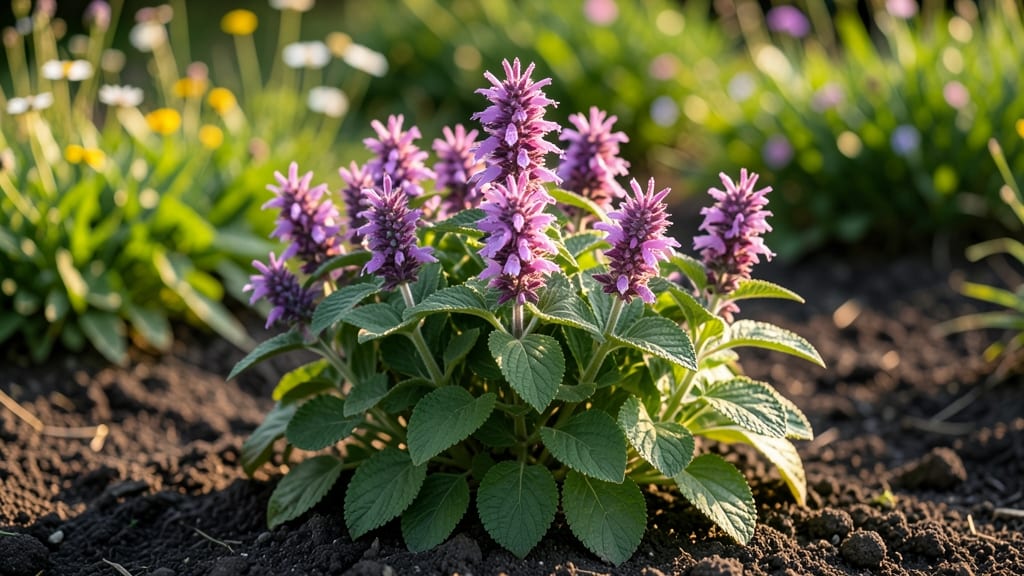
There’s something magical about the first flush of purple blooms in late spring, and the Purple Daydream shrub—that cold-hardy Lagerstroemia—is what hooked me.
It’s the kind of plant that refuses to quit, even when your neighbors’ crape myrtles give up at the first frost. 🌿 Unlike fussy varieties, this one thrives in zones 5-9, offering year-round interest with its peeling bark, glossy foliage, and fragrant blooms that last from summer into fall.
The secret to its success is simple: full sun (at least 6 hours daily), well-draining soil, and patience—it can take 2-3 years to reach its mature 10-15 foot height. I’ve seen it handle drought once established, but young plants need consistent moisture.
The real magic? Those lavender-purple flowers that smell like cotton candy, attracting bees and hummingbirds while adding a dreamy, romantic touch to any landscape.
Pruning is where most gardeners trip up, but this shrub forgives mistakes. Cut back late winter to shape it, and you’ll encourage bushier growth and even more blooms next season.
The bark alone makes it worth growing—it peels like paper, revealing layers of cinnamon-brown underneath that add winter texture when everything else is bare.
Whether you’re filling a large border, creating a privacy screen, or just craving a low-maintenance shrub with serious curb appeal, Purple Dream delivers. It’s the kind of plant that grows more beautiful with age, and once it’s in your yard, you’ll wonder how you ever lived without it.
📚 In This Guide
- What you need
- Instructions
- Tips and common mistakes
- Wrapping up and next steps
What you need
- ● Purple Daydream Shrub: 1-3 plants (choose from Weigela florida 'Weco', the cold-hardy variety). Nursery-grown is ideal for faster results!
- ● Well-draining soil: Mix of 50% garden soil, 30% compost, and 20% perlite or sand (1-2 cubic yards for 3 plants).
- ● Organic mulch: 2-3 inches of wood chips or shredded bark (helps retain moisture and regulate temperature).
- ● Slow-release fertilizer: 10-10-10 NPK blend (1 lb per plant, applied in early spring).
- ● Watering can or hose with a gentle spray nozzle: For deep, even watering (avoid overhead sprinklers to prevent fungal issues).
- ● Garden trowel or spade: For digging holes (12-18 inches wide and deep).
- ● Gloves: Heavy-duty gardening gloves to protect your hands from thorns (yes, they’re mild but present!).
- ● Pruning shears: Sharp, bypass-style shears (for shaping and deadheading after blooming).
- ● Measuring tape: To ensure proper spacing (3-5 feet apart for mature shrubs).
- ○ Optional: Soil pH test kit (ideal pH: 6.0-7.0; amend with lime or sulfur if needed).
- ● Drip irrigation system (for low-maintenance watering).
- ● Epsom salt (1 tbsp per plant annually for magnesium boost).
- ● Sunlight: Full sun (6+ hours/day) for optimal blooms and fragrance.
- ● Hardiness zone: USDA Zones 4-8 (this shrub thrives in cold climates!).
- ● Patience: 2-3 years for full maturity and vibrant purple blooms! ☀️
Step-by-step guide to planting and maintaining Purple Daydream shrubs
This cold-hardy beauty thrives with minimal fuss—here’s how to plant and care for it properly.
🌱 Step 1: Choose the Perfect Planting Location
Purple Daydream shrubs adore full sun to partial shade, with at least 6 hours of direct sunlight daily for optimal fragrance and color. I always scout the site first—look for areas with well-draining soil and shelter from harsh winds, which can stress young plants. If your yard has heavy clay, amend the soil with 2-3 inches of compost before planting to improve drainage.
Avoid low spots where water pools after rain. The shrub’s roots hate soggy conditions, and you’ll see yellowing leaves or stunted growth if drainage is poor. Test the spot by digging a 6-inch hole—if water sits for more than an hour, choose another location or raise the bed slightly with a mound of amended soil.
🪴 Step 2: Dig and Plant with Proper Spacing
Dig a hole twice as wide as the root ball but only as deep—planting too deep can suffocate the roots. Gently loosen the roots if they’re circling tightly in the container, then place the shrub in the hole so the top of the root ball sits level with the surrounding soil. Fill the hole with native soil, pressing lightly to remove air pockets but not compacting too firmly.
Space plants 4-6 feet apart for mature size—this prevents overcrowding and ensures good airflow, which reduces fungal diseases. Water deeply right after planting to settle the soil and eliminate air gaps. You’ll know it’s right when water drains evenly through the hole without pooling.
☀️ Step 3: Water and Mulch for Establishment
Water deeply once a week for the first 4-6 weeks to encourage strong root growth. Let the top 2 inches of soil dry out between waterings—this prevents shallow roots and weak stems. Avoid wetting the foliage, as moisture on leaves can lead to powdery mildew. Water at the base in the early morning for best absorption.
Apply a 2-3 inch layer of mulch (like shredded bark or pine straw) around the base, keeping it 3 inches away from the trunk to prevent rot. Mulch conserves moisture, regulates soil temperature, and suppresses weeds. Replenish the mulch layer annually in late winter to protect roots from temperature swings.
✂️ Step 4: Prune for Shape and Health
Prune in early spring before new growth begins to shape the shrub and remove dead or crossing branches. Use clean, sharp pruners to make cuts just above a leaf node or outward-facing bud. Avoid heavy pruning in fall, as new growth won’t harden off before winter. You’ll see better blooms and fragrance if you prune lightly each year—never remove more than one-third of the plant in a single season.
After flowering, trim back spent blooms to encourage a second flush of fragrant flowers. This also keeps the shrub looking tidy without sacrificing its natural charm. If a branch looks diseased or damaged, remove it immediately to prevent spread—sterilize your pruners with rubbing alcohol between cuts.
🌿 Step 5: Fertilize and Monitor for Pests
Feed with a balanced, slow-release fertilizer (10-10-10) in early spring and again in mid-summer to support steady growth. Avoid high-nitrogen fertilizers, which promote leafy growth at the expense of flowers. Water the soil thoroughly after applying fertilizer to prevent root burn. You’ll notice healthier foliage and more abundant blooms within a few weeks.
Watch for common pests like spider mites or aphids, which thrive in dry conditions. Spray the undersides of leaves with neem oil if you spot tiny webs or sticky residue. Purple Daydream shrubs are generally low-maintenance, but consistent care ensures they stay vibrant and fragrant year-round. A quick inspection every few weeks catches issues before they spread.
Tips & tricks for perfect Purple Daydream shrub planting
These simple tricks will help your Purple Daydream shrubs thrive and stay fragrant for years to come.
Sunlight Strategy: While the instructions mention 6 hours of direct sunlight, I've found that morning sun with afternoon shade works best in hot climates. The intense afternoon sun can stress the shrubs, especially during summer months. If you're in a region with very hot afternoons, consider planting near a north-facing wall or under light dappled shade from taller trees.
Soil Test Tip: Before amending with compost, I recommend doing a simple soil test using a home kit or sending a sample to your local extension office. Purple Daydream shrubs prefer soil with a pH between 6.0 and 7.0. If your soil tests acidic, you might need to add lime before planting to create the ideal growing conditions. This small step can make a huge difference in your shrub's long-term health and fragrance production.
Planting Depth Check: When placing your shrub in the hole, use a small stick or marker to measure the depth from the top of the root ball to the surrounding soil line. This helps ensure you're not planting too deep, which can suffocate the roots. The top of the root ball should sit just below the surrounding soil level—never above it. This subtle adjustment prevents crown rot and encourages strong root development.
Mulch Layering: For the 2-3 inch mulch layer, I prefer using a combination of shredded bark and pine straw. The bark provides excellent moisture retention while the pine straw adds a natural, rustic look. When replenishing annually, I like to pull back the old mulch, check for any signs of pests or disease, and then add fresh mulch. This practice helps prevent fungal issues that can develop under thick, compacted mulch layers.
Pro Tips for Purple Daydream Shrub
- These simple tricks will help your Purple Daydream shrubs thrive and stay fragrant for years to come.
- Sunlight Strategy: While the instructions mention 6 hours of direct sunlight, I've found that morning sun with afternoon shade works best in hot climates.
- Soil Test Tip: Before amending with compost, I recommend doing a simple soil test using a home kit or sending a sample to your local extension office.
Frequently asked questions
Got questions about the Purple Daydream shrub? You’re not alone!
Here are some of the most common inquiries—plus straightforward answers to help you grow with confidence.
How cold-hardy is the Purple Daydream shrub?
The Purple Daydream thrives in USDA Zones 5-9, making it one of the toughest fragrant shrubs for northern climates. It handles winter temps down to -20°F (-29°C) with ease, though young plants may need winter mulch for extra protection. Pro tip: Plant in well-draining soil to avoid root rot in soggy winters!
When is the best time to prune Purple Daydream?
Prune right after flowering (late spring to early summer) to encourage bushier growth. Avoid heavy pruning in fall—it can stimulate tender new growth that won’t survive winter. For shaping, use clean, sharp shears and remove no more than 1/3 of the plant at a time. Bonus: Pruning after blooms won’t cut off next year’s fragrance!
Does Purple Daydream attract bees or other pollinators?
Its lavender-pink blooms are a magnet for bees, butterflies, and hummingbirds—especially in early summer. The shrub’s prolonged bloom time (up to 8 weeks!) makes it a pollinator powerhouse. Fun fact: The fragrance also repels some pests like Japanese beetles naturally!
What’s a good alternative if Purple Daydream doesn’t thrive in my area?
Try these cold-hardy, fragrant shrubs for similar vibes:
- Dwarf Lilac (Syringa meyeri) – Zones 3-7: Compact, sweetly scented, and deer-resistant.
- Weigela (Weigela florida) – Zones 4-8: Bold blooms and long-lasting fragrance.
- Potentilla (Dasiphora fruticosa) – Zones 3-7: Tough, drought-tolerant, and colorful.
Why are my Purple Daydream leaves turning yellow?
Yellowing leaves usually signal overwatering, poor drainage, or nutrient deficiency. Check soil moisture (it should be dry 1-2 inches down), and amend heavy clay soil with compost. Yellow edges often mean iron deficiency—apply a chelated iron supplement in early spring. Quick fix: Prune affected leaves to redirect energy!
Wrapping up and next steps
The Purple Daydream shrub is a dream come true for gardeners craving year-round beauty and fragrance—without the fuss! With its cold-hardy charm, striking purple blooms, and delicate scent, this shrub transforms any space into a serene retreat.
Whether you're a seasoned gardener or just starting, its low-maintenance nature makes it the perfect addition to your outdoor oasis.
Ready to bring home this fragrant stunner? Start by checking your USDA zone and sourcing a reputable nursery. Then, dig in—your garden (and senses!) will thank you. 🌿✨