
Shrubs
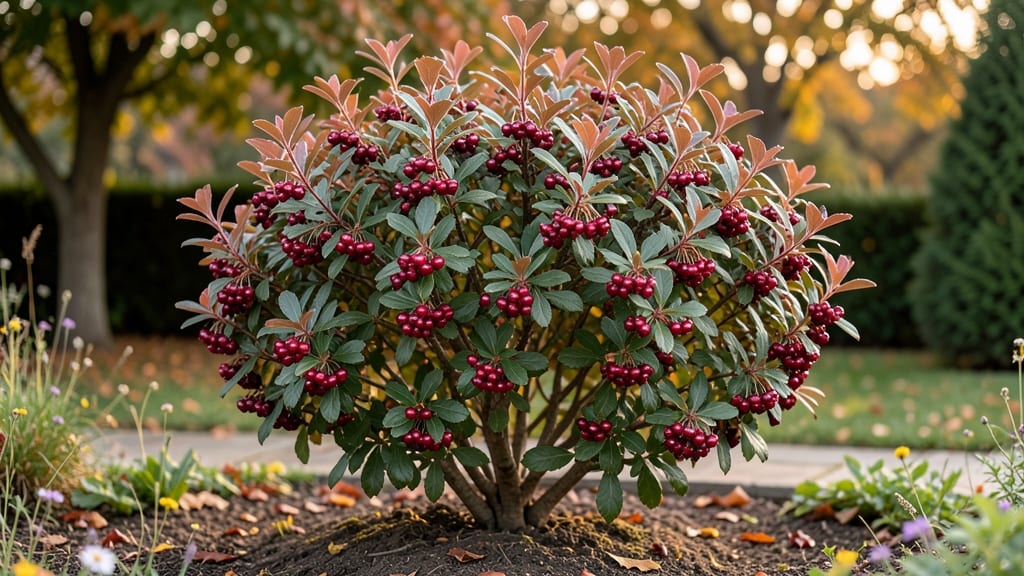
Growing red chokeberry shrubs (Aronia arbutifolia) means adding a disease-resistant, low-maintenance plant that thrives in tough conditions while delivering edible berries for cocktails and desserts.
I planted mine three years ago in a spot where nothing else survived, and now it’s the star of my landscape—4-6 feet tall, with glossy leaves and clusters of white spring flowers that attract pollinators. The key to success is patience and minimal fuss.
These shrubs handle poor soil, drought, and cold down to Zone 3, making them ideal for northern gardens or urban areas with limited space.
Just give them full sun to partial shade and well-draining soil, and they’ll reward you with deep red berries in late summer—perfect for jams, syrups, or fresh eating (though they’re tart!). Once established, they’re nearly indestructible.
Prune in late winter to shape the plant and encourage new growth, and watch as birds and wildlife avoid them—thanks to their bitter taste. The berries stay on the branches through winter, offering color and interest even in the coldest months.
Whether you’re growing for ornamental value, wildlife benefits, or culinary uses, red chokeberry shrubs deliver year-round beauty with almost no effort. Here’s how to get started with confidence!
📚 In This Guide
- What you need
- Instructions
- Tips and common mistakes
- Wrapping up and next steps
What you need
- ● Red chokeberries (aronia berries): 2 cups (fresh or frozen, organic preferred for best flavor)
- ● Granulated sugar: 1 cup (adjust to taste; raw or white works)
- ● Distilled white vinegar: 1 cup (5% acidity; apple cider vinegar is a great substitute)
- ● Filtered or spring water: ½ cup (to thin the mixture slightly)
- ● Medium saucepan (with a lid)
- ● Wooden spoon or silicone spatula (for stirring)
- ● Fine-mesh strainer or cheesecloth (to filter out seeds and pulp)
- ● Clean glass jar or airtight container (16–24 oz; sterilized for storage)
- ○ Funnel (optional, for easy pouring)
- ● Measuring cups and spoons (for precision)
- ● Citrus zest (lemon or orange, ½ tsp) for brightness
- ● Vanilla bean or extract (a pinch or ¼ tsp) for depth
- ● Spice blends (cinnamon, cloves, or star anise, ¼ tsp) for warmth
- ● Food scale (for precise berry measurements)
- ● Pasteurization equipment (if preserving long-term; water bath or pressure canner)
Step-by-step guide to growing and harvesting red chokeberry shrubs
This hardy, ornamental shrub thrives with minimal fuss and rewards you with stunning fall foliage and edible berries.
🌱 Step 1: Select the Right Planting Site and Prepare the Soil
Red chokeberry (Aronia melanocarpa) flourishes in full sun to partial shade, with at least 6 hours of direct sunlight daily for optimal berry production. Choose a location with well-draining soil—this shrub hates soggy roots. If your soil is heavy clay, amend it with 2-3 inches of compost mixed into the top 12 inches before planting.
I like to test soil pH first—red chokeberry prefers slightly acidic to neutral soil (pH 5.0-7.0). If your soil is alkaline, add sulfur or peat moss to lower the pH gradually over a few months. Dig a hole twice as wide as the root ball but no deeper, ensuring the top of the root ball sits 1 inch above ground level to prevent rot.
🪴 Step 2: Plant the Shrub at the Correct Depth and Spacing
Remove the shrub from its container and gently loosen the roots if they’re circling. Place it in the hole so the root flare (where roots meet the trunk) is level with the soil surface. Backfill with native soil, tamping lightly every 3 inches to eliminate air pockets. Space multiple shrubs 6-8 feet apart to allow airflow and prevent disease.
Water deeply right after planting—1-2 gallons per shrub—to settle the soil and encourage root contact. Mulch with 2-3 inches of organic mulch (like wood chips or shredded bark) around the base, keeping it 3 inches away from the trunk to prevent moisture buildup. This mulch layer retains soil moisture and suppresses weeds while regulating soil temperature.
☀️ Step 3: Water and Fertilize for Healthy Growth
Young shrubs need consistent moisture during their first growing season. Water deeply once a week, providing 1-2 gallons per shrub, unless rainfall exceeds 1 inch per week. Overwatering causes root rot, so always check the soil 2 inches below the surface—water only when it feels dry. Mature shrubs are drought-tolerant but produce better berries with regular deep watering during dry spells.
Fertilize lightly in early spring with a balanced, slow-release fertilizer (10-10-10) at ½ the recommended rate. Red chokeberry is low-maintenance and doesn’t need heavy feeding—too much nitrogen promotes leafy growth at the expense of berries. Avoid fertilizers high in phosphorus if you’re growing for fruit, as they can reduce yield. Instead, top-dress with 1-2 inches of compost in early spring and again in early fall.
✂️ Step 4: Prune for Shape and Fruit Production
Prune red chokeberry in late winter or early spring before new growth begins. Remove dead, diseased, or crossing branches first, cutting back to the nearest healthy bud. Thin out overcrowded stems to improve airflow, aiming to keep the shrub open and vase-shaped. Never remove more than one-third of the shrub’s canopy in a single year to avoid stress.
For established shrubs, prune selectively each year to encourage fruit production. Berries form on second-year wood, so avoid heavy pruning of older branches. Instead, focus on shaping the shrub and removing suckers or water sprouts that grow from the base. After pruning, apply a copper fungicide spray if your area has a history of fungal diseases like powdery mildew.
🍇 Step 5: Harvest Berries at Peak Ripeness
Red chokeberry berries ripen in late summer to early fall, typically August to September, depending on your climate. Harvest when the fruit turns a deep red or purple-black and is plump but not mushy. Gently twist berries from the stem—they should detach easily without tearing the branch. Wear gloves, as the stems have small thorns.
Spread harvested berries on a clean towel or tray in a cool, dry, well-ventilated area for 2-3 days to dry slightly. This step reduces their natural astringency, making them more palatable for cooking or fermenting. Once dried, store berries in the fridge for up to 2 weeks or freeze them for long-term use. You’ll know they’re ready when they’re shriveled but still firm, with a tart-sweet flavor perfect for shrubs, jams, or cocktails.
Tips & tricks for perfect red chokeberry shrub
These essential insights will help you cultivate vibrant red chokeberry shrubs that yield abundant, flavorful berries perfect for homemade shrubs.
Sunlight and Soil Strategy: While the instructions specify 6 hours of daily sunlight, I’ve found that positioning your shrubs to receive morning sun and afternoon shade—especially in hot climates—can actually improve berry quality. The morning light energizes growth, while afternoon shade prevents stress. For soil preparation, consider adding 1-2 inches of worm castings to the compost mix; they introduce beneficial microbes that enhance nutrient uptake and fruit development.
Watering Wisdom: The 1-2 gallons per week guideline works well, but I’ve learned to adjust based on weather patterns. During summer droughts, I increase watering to 2-3 gallons per shrub every 3-4 days to prevent stress-induced fruit drop. Always water at the base rather than overhead to minimize fungal risks. A simple soil moisture meter can help you track when to water—aim for consistent moisture 2 inches below the surface.
Pruning Precision: When pruning in late winter, focus on removing branches that cross or rub against each other—these create entry points for disease. I also recommend marking branches with a permanent marker before cutting to ensure you’re targeting the correct ones. For established shrubs, avoid removing more than one-third of the canopy in any single year, as this can reduce next year’s berry yield by up to 40%.
Harvesting Head Start: To maximize your shrub’s potential, harvest berries in the morning when they’re coolest and most hydrated. The 2-3 day drying period is crucial—spread berries on a screen rather than a towel to allow better airflow. If you’re short on time, you can reduce this to 1 day by placing the tray in a cool, well-ventilated area with a fan circulating air. This preserves the tart-sweet flavor while reducing astringency.
Pro Tips for Red Chokeberry Shrub
- These essential insights will help you cultivate vibrant red chokeberry shrubs that yield abundant, flavorful berries...
- Sunlight and Soil Strategy: While the instructions specify 6 hours of daily sunlight, I’ve found that positioning you...
- Watering Wisdom: The 1-2 gallons per week guideline works well, but I’ve learned to adjust based on weather patterns....
Frequently asked questions
Got questions about harnessing the bold flavors of red chokeberry shrub? You’re not alone! Here are answers to the most common queries—from growing tips to recipe tweaks—so you can make the most of this tart, vibrant elixir.
How long does a red chokeberry shrub last in the fridge?
A properly stored red chokeberry shrub (in a clean, airtight jar) keeps for 3–6 months in the fridge. The vinegar preserves it, but flavors deepen over time—like a fine wine! For longer shelf life, freeze individual portions in ice cube trays.
Can I use red chokeberry shrub in savory dishes?
While it’s a star in cocktails and desserts, this shrub adds tangy depth to savory dishes too. Try it in glazes for roasted meats, marinades for grilled fish, or even as a bright drizzle over charcuterie. Start with 1 tsp per serving—its acidity cuts through richness beautifully.
What’s the best way to freeze red chokeberries for shrub-making?
Freeze them whole and dry (no washing or thawing!) on a baking sheet first to prevent clumping. Once solid, transfer to a sealed bag or container. Frozen berries retain their tart punch for up to 1 year. Pro tip: Label bags with the date—freshness matters!
Is red chokeberry shrub safe for kids?
While the shrub itself is safe for adults, moderation is key for kids due to its high acidity. Dilute it heavily (e.g., 1 part shrub to 10 parts sparkling water) for mocktails, or use it sparingly in jam or baked goods. Always check for allergies first—especially if using wild-harvested berries.
What’s a good substitute if I can’t find red chokeberries?
In a pinch, swap red chokeberries for black chokeberries (aronia) (similar tartness) or sour cherries. For a closer match, blend 1 part cranberries + 1 part blackcurrants—just adjust sugar to taste. No substitute is perfect, but these come close!
Wrapping up and next steps
The red chokeberry shrub is a versatile, tart treasure that elevates cocktails, desserts, and even savory dishes with its bright, tangy flavor. Whether you’re a mixologist crafting a signature drink or a baker infusing homemade treats, this shrub offers endless creative potential—plus, its health benefits make it a win-win! 🌿
Ready to dive in? Grab your ingredients, follow the simple steps, and start experimenting—your taste buds (and guests) will thank you! Try swapping it into your next recipe and share your creations with the community. Cheers to bold flavors! 🍹✨