
Shrubs
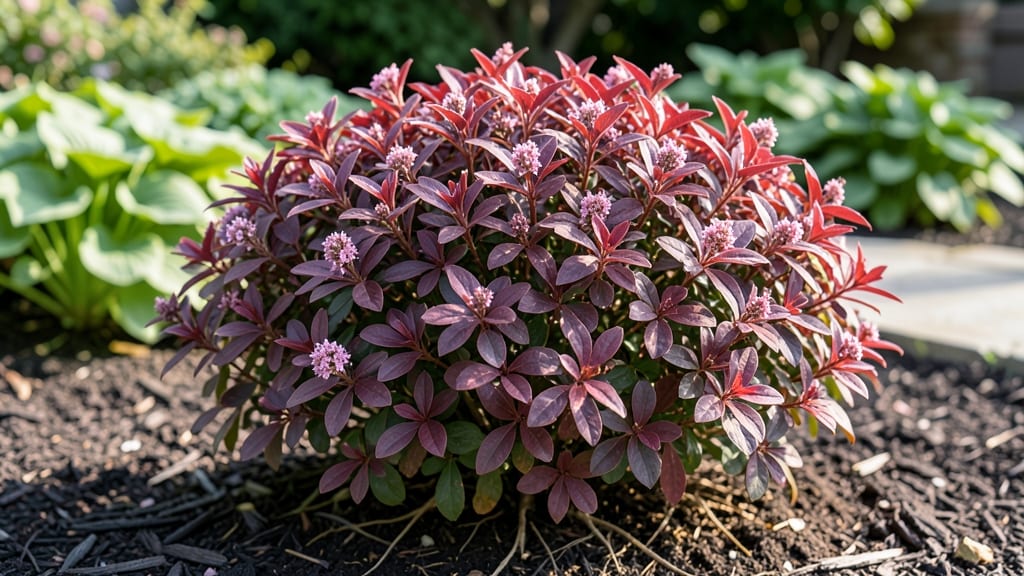
The Red Diamond loropetalum shrub turns any garden into a jewel-toned masterpiece with its deep burgundy leaves and pink spring blooms—no thorns, just drama. 🌿 I’ve grown mine for three seasons now, and it’s become the showstopper of my front yard, thriving in heat and humidity while most plants wilt.
This shrub’s secret weapon is its adaptability: it handles partial shade, drought, and even poor soil better than many ornamentals. The key is planting it where it gets at least 4-6 hours of sunlight and keeping the soil well-draining—once established, it barely needs watering.
Prune lightly after flowering to maintain its lush shape, and watch it reward you with year-round color that outshines seasonal bloomers. What you’ll love most is how effortlessly it fills space—my 3-foot-tall shrub now spans 5 feet wide with minimal care.
The foliage stays vibrant even in winter, and the occasional pink flowers add a romantic touch without requiring deadheading. It’s the kind of plant that makes neighbors stop and ask, “What is that gorgeous thing?” Perfect for foundation plantings, mixed borders, or even as a standalone specimen.
Let’s get yours growing strong!
📚 In This Guide
- What you need
- Instructions
- Tips and common mistakes
- Wrapping up and next steps
What you need
- ● Red Diamond Loropetalum shrub: 1-3 mature plants (3-5 ft tall, depending on desired impact). Choose thornless varieties for safer handling.
- ● Well-draining soil: 5-10 bags of peat moss or compost (to amend heavy clay soil) + 1 bag of sand or perlite (for drainage).
- ● Organic mulch: 2-3 cubic feet of pine bark or shredded leaves (to retain moisture and suppress weeds).
- ● Slow-release fertilizer: 1 lb of 10-10-10 or 12-12-12 (for balanced nutrients).
- ● Garden trowel or spade (for digging).
- ● Pruning shears (sharp, sterilized—critical for preventing disease).
- ● Garden gloves (heavy-duty, for thornless varieties, protection is still key!).
- ● Watering can or hose with a gentle spray nozzle (avoid over-saturating roots).
- ● Measuring tape or ruler (to space plants 3-6 ft apart).
- ● Epsom salt (1 tbsp/month in water for magnesium boost—great for vibrant foliage!).
- ● Plant support stakes (if your shrub leans or grows tall in windy areas).
- ● Landscape fabric (to block weeds before mulching).
- ● Slow-release watering system (like drip irrigation for low-maintenance care).
Step-by-Step guide to planting and caring for Red Diamond Loropetalum
Here's how to cultivate this stunning evergreen with vibrant foliage and delicate flowers—without the thorns.
🌱 Step 1: Select the Perfect Planting Location
The Red Diamond Loropetalum thrives in full sun to partial shade, with at least 6 hours of direct sunlight daily for optimal color intensity. I always choose a spot with well-draining soil—this plant hates soggy roots. If your soil is heavy clay, amend it with 2-3 inches of organic matter like compost or aged bark before planting.
Check the site’s drainage by digging a 12-inch hole and filling it with water. If it drains in less than 30 minutes, the spot is ideal. For windy areas, plant near a fence or wall to provide wind protection, especially in winter when the foliage becomes more vulnerable to damage.
🪴 Step 2: Plant at the Right Depth and Spacing
Dig a hole twice as wide as the root ball but only as deep—planting too deep can suffocate the roots. Gently remove the plant from its container and loosen any circling roots with your fingers. Place it in the hole so the top of the root ball sits level with the surrounding soil—never bury the stem.
Space multiple plants 6-8 feet apart to allow for mature growth. I like to backfill the hole with a mix of native soil and 20% perlite for extra drainage, then water deeply to settle everything. Avoid compacting the soil around the base—just firm it lightly with your hands to eliminate air pockets.
☀️ Step 3: Water Deeply and Mulch for Retention
After planting, water the shrub until moisture seeps down 6 inches deep—this encourages roots to grow downward rather than stay shallow. Red Diamond Loropetalum is drought-tolerant once established, but young plants need consistent moisture for the first 12 months. Water once a week during dry spells, adjusting for rainfall.
Spread a 2-3 inch layer of mulch (like pine straw or shredded bark) around the base, keeping it 3 inches away from the trunk to prevent rot. Mulch helps retain moisture and regulates soil temperature, which is especially helpful in hot climates. Replenish the mulch annually to maintain its protective layer.
✂️ Step 4: Prune for Shape and Encourage Blooms
Prune Red Diamond Loropetalum right after flowering (late spring) to shape the shrub and promote dense growth. Use clean, sharp pruners to make cuts just above a leaf node or bud. Remove any dead, diseased, or crossing branches first—this improves airflow and reduces pests.
For a natural look, I avoid heavy shearing. Instead, I trim selective branches to open up the center and encourage sunlight penetration. If the shrub grows too leggy, cut back one-third of the oldest stems to the ground—this rejuvenates growth and keeps the plant compact.
🌿 Step 5: Feed and Protect for Year-Round Health
Fertilize in early spring with a balanced, slow-release fertilizer (10-10-10 or similar) to support new growth. I apply half the recommended dose to avoid overfeeding, which can lead to weak, floppy stems. Water the soil before and after applying fertilizer to help nutrients penetrate.
In winter, protect young plants from freezing temperatures by wrapping the base with burlap or applying a thick layer of mulch. Mature shrubs are hardy but may benefit from a light dusting of anti-desiccant spray in dry climates to prevent winter burn. Watch for signs of stress like yellowing leaves—this usually means the plant needs more water or better drainage.
Tips & tricks for perfect Red Diamond Loropetalum growth
These insider tips will help you cultivate a thriving Red Diamond Loropetalum that stays vibrant year-round.
Sunlight Strategy: While the plant thrives in full sun to partial shade, the 6 hours of direct sunlight mentioned in Step 1 is non-negotiable for that signature deep red color. I've found that morning sun paired with afternoon shade works beautifully in hot climates—this prevents leaf scorch while still maintaining color intensity. If you notice fading foliage, it's often a sign the plant needs more light exposure.
Soil Science: The drainage test in Step 1 is crucial—if water drains slower than 30 minutes, your soil needs more organic matter. I like to mix in 20% perlite with the native soil when backfilling, as mentioned in Step 2. This creates perfect drainage while still retaining enough moisture for those first critical 12 months of growth. For clay-heavy soils, consider adding composted leaves instead of bark—they break down faster and improve soil structure over time.
Pruning Precision: When pruning in late spring (Step 4), focus on removing one-third of the oldest stems to encourage new growth. I've learned to make cuts at a 45-degree angle just above a leaf node—this promotes faster healing and reduces disease risk. For a more natural look, I avoid heavy shearing and instead trim selective branches to open the center, which prevents that compact, overgrown look many shrubs develop over time.
Winter Protection: The thick layer of mulch mentioned in Step 5 is your best defense against winter stress. I like to use straw mulch because it insulates better than bark in cold climates. For extra protection in freezing zones, wrap the base with burlap and secure it with twine—this creates a microclimate that prevents temperature fluctuations that can cause winter burn. Remember to remove the burlap in early spring before new growth begins.
Pro Tips for Red Diamond Loropetalum Shrub
- These insider tips will help you cultivate a thriving Red Diamond Loropetalum that stays vibrant year-round.
- Sunlight Strategy: While the plant thrives in full sun to partial shade, the 6 hours of direct sunlight mentioned in Step 1 is non-negotiable for that signature deep red color.
- Soil Science: The drainage test in Step 1 is crucial—if water drains slower than 30 minutes, your soil needs more organic matter.
Frequently asked questions
Got questions about keeping your Red Diamond Loropetalum thriving? You’re not alone! Here are answers to the most common queries—from care tips to troubleshooting—so you can enjoy its stunning foliage all year long.
How fast does the Red Diamond Loropetalum grow, and how big will it get?
The Red Diamond Loropetalum grows at a moderate pace, adding about 12–24 inches per year under ideal conditions. Mature shrubs typically reach 6–10 feet tall and wide, making them perfect for hedges, borders, or focal points. Prune annually in late winter to control size and shape!
Is this shrub cold-hardy, and how do I protect it in winter?
This beauty thrives in USDA Zones 7–10 and can handle light frosts, but harsh winters (below 10°F) may damage tender foliage. Mulch heavily (3–4 inches) around the base and wrap young plants in burlap for extra protection. Evergreen varieties may lose leaves but regrow in spring!
How often should I water my Red Diamond Loropetalum, and does it like shade?
Water deeply once a week (or more in extreme heat) during the first year to establish roots. Mature shrubs are drought-tolerant but prefer well-draining soil. For color vibrancy, plant in full sun to partial shade—though too much shade may fade the red foliage. Pro tip: Avoid soggy soil to prevent root rot!
Why are the leaves turning yellow or brown, and what’s causing it?
Yellowing leaves often signal overwatering or poor drainage, while brown edges can mean underwatering or salt buildup (common in clay soils). Check soil moisture and adjust watering. Pests like spider mites or scale can also stress the plant—treat with neem oil if spotted.
Does the Red Diamond Loropetalum have flowers, and can I propagate it?
Yes! It produces tiny, fragrant pink or purple flowers in late winter/early spring—a bonus for pollinators. To propagate, take softwood cuttings in summer or layer semi-hardwood stems in fall. Root in moist perlite or sand, and keep humid until established. Fun fact: It’s non-invasive and thrives in containers too!
What are some great alternatives if I want a similar look but lower maintenance?
If you love the bold red foliage but want easier care, try:
- Dwarf Yaupon Holly (Ilex vomitoria ‘Nana’) – Thornless, evergreen, and drought-tolerant.
- Crapemyrtle (Lagerstroemia) – Stunning summer blooms and adaptable.
- Dwarf Fountain Grass (Pennisetum ‘Little Bunny’) – Adds texture without high upkeep.
Wrapping up and next steps
The Red Diamond Loropetalum isn’t just a shrub—it’s a showstopper that brings bold color and texture to your garden year-round, all while skipping the fuss of thorns. With its low-maintenance charm and striking foliage, it’s the perfect choice for adding drama without the hassle.
Whether you’re a seasoned gardener or just starting out, this shrub makes it easy to elevate your outdoor space with confidence.
Ready to transform your landscape? Start by picking the perfect spot—then watch your garden shine with effortless elegance! 🌿✨